Fact-checkers and independent observers have documented numerous instances where false claims about violence
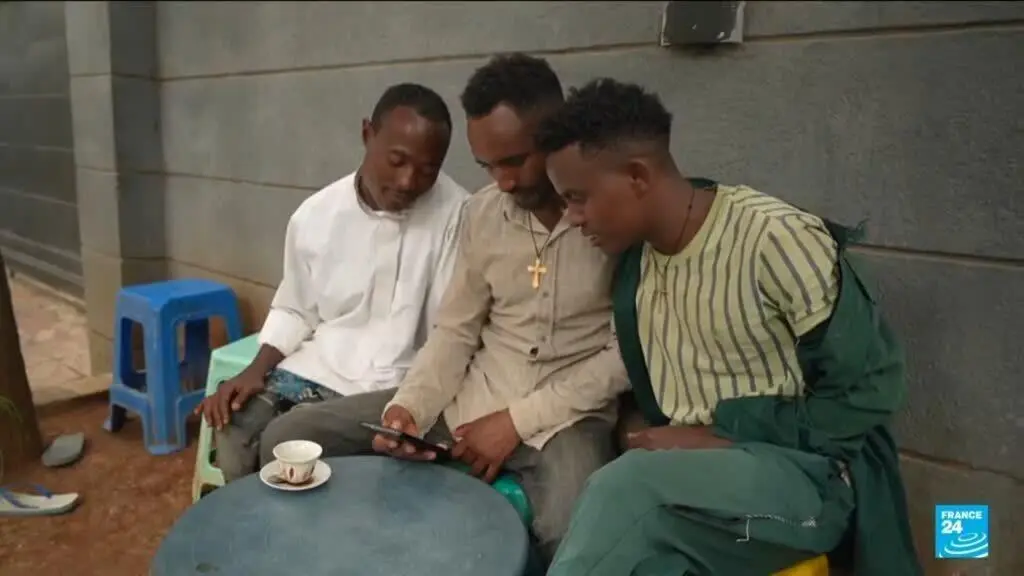
Millions of Ethiopians rely on social media platforms for daily news and information, especially in urban centers and among younger populations. As traditional media faces restrictions and access challenges, digital spaces have become primary sources for understanding current events. This shift has intensified amid ongoing political tensions and regional conflicts, where controlling narratives is critical for various factions. The widespread use of smartphones and expanding internet connectivity have accelerated this trend, making online platforms central to public discourse. The rise of social media as a news source has coincided with a surge in coordinated disinformation campaigns. Government officials, rebel groups, and political activists all utilize platforms like Facebook, Twitter, and YouTube to spread messages that serve their interests. These efforts often involve manipulated videos, fake accounts, and coordinated posting to amplify specific viewpoints.
Fact-checkers and independent observers have documented numerous instances where false claims about violence, ethnic tensions, or humanitarian conditions go viral before being corrected. Algorithms that prioritize engagement frequently amplify sensational or divisive content, worsening societal divisions. How Disinformation Spreads Through Networks Investigations reveal that propaganda operations often begin with seeded content from influential pages or celebrity accounts, which then gets shared across community groups and regional networks. In some cases, entire storylines are fabricated around isolated incidents, taking days for fact-checks to catch up. During periods of heightened conflict, such as in Tigray or Oromia, false reports about troop movements or civilian casualties have triggered real-world panic and retaliatory violence. Local journalists report pressure to either conform to dominant narratives or face online harassment and threats.
Despite platform policies against misinformation, enforcement remains inconsistent
Despite platform policies against misinformation, enforcement remains inconsistent, particularly in languages like Amharic, Afaan Oromo, and Tigrinya. Can Platforms Effectively Moderate Content in Local Languages? Content moderation struggles due to limited investment in African language understanding and contextual awareness. Automated systems often fail to detect hate speech or incitement when expressed in regional dialects or coded language. Human review teams are small relative to the volume of posts, leading to delays in removing harmful material. Some civil society groups have launched digital literacy campaigns to teach users how to verify sources and identify manipulation tactics. However, access to such programs remains limited outside major cities. The Ethiopian government has at times imposed internet shutdowns during crises, arguing they prevent the spread of dangerous rumors, though critics say this also suppresses legitimate reporting and humanitarian coordination. Frequently Asked Questions Why do Ethiopians depend heavily on social media for news?
Many Ethiopians turn to social media because traditional media outlets face government restrictions, limited reach, or lack of trust. Digital platforms offer faster updates and broader access, especially where print or broadcast media are scarce or censored. How does false information lead to real-world harm? False claims about attacks, ethnic targeting, or military actions have provoked fear, revenge attacks, and displacement. In several cases, rumors shared online preceded outbreaks of violence, demonstrating the tangible impact of online narratives. What efforts exist to counter misinformation online? Fact-checking organizations, civil society groups, and some media outlets run verification initiatives and public awareness campaigns. Platforms have also pledged to improve local language moderation, though progress is slow and uneven.