The Rising Cost of Catastrophe
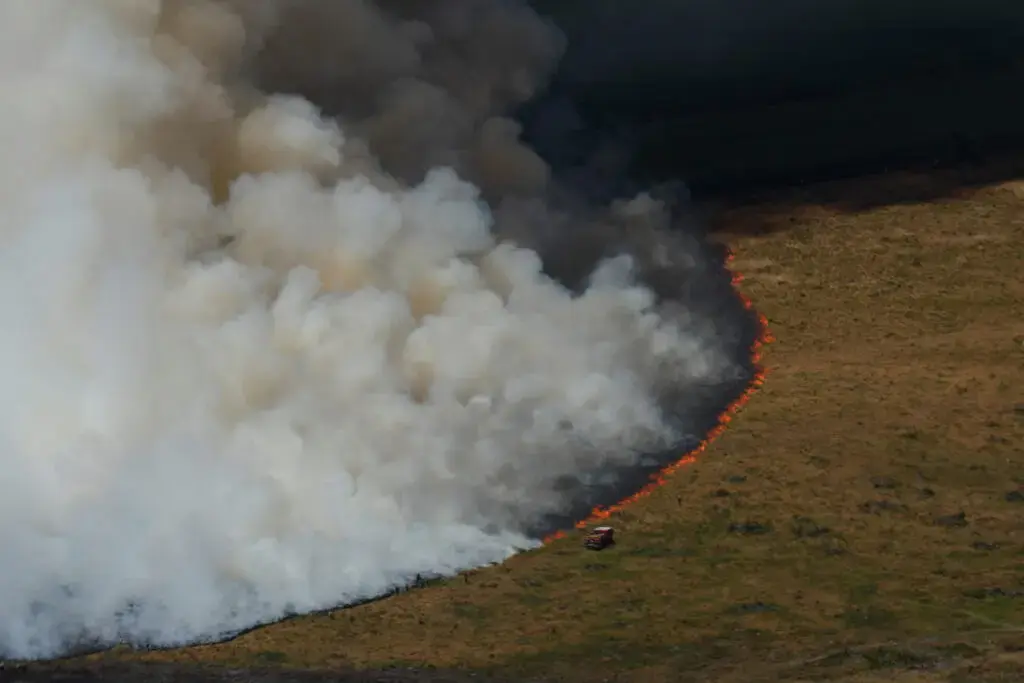
Europe is confronting a harsh truth as climate change intensifies. Frequent and costly natural disasters are pushing the continent's insurance systems to their limits. This week, wildfires near Bordeaux and Madrid highlighted the growing threat. A warming planet risks making some European regions uninsurable.
These record-breaking fires have forced countless people from their homes. They have also devastated wildlife and endangered urban areas. The increasing frequency of such events is creating a major challenge for insurers.
The financial burden of natural disasters is skyrocketing across Europe. Floods, storms, and heatwaves are becoming more common and more severe. This trend makes it harder for insurance companies to assess risks accurately. They face immense pressure to cover mounting claims.
Can Europe Adapt to Uninsurable Risks?
Some areas are now experiencing events that were once considered rare. This shift is forcing a re-evaluation of traditional insurance models. The long-term viability of coverage in highly affected regions is a growing concern.
The current pace of climate change demands new strategies. Governments and insurers must collaborate to find solutions. This could involve new public-private partnerships or innovative risk-sharing mechanisms. Without adaptation, large parts of Europe could face economic instability.
The prospect of uninsurableregions poses a significant societal challenge. It could lead to mass displacement and economic hardship. Protecting communities requires urgent and comprehensive action.
Frequently Asked Questions
What is making parts of Europe uninsurable? Frequent and severe natural disasters, driven by climate change, are making it difficult for insurers to accurately price risk and cover losses. This leads to concerns about the long-term availability of insurance in affected areas.
How are wildfires impacting the insurance market? Wildfires, like those seen near Bordeaux and Madrid, cause widespread destruction to property and ecosystems. The increasing frequency and intensity of these events are driving up claims and forcing insurers to reconsider their coverage in fire-prone regions.
What are the potential consequences if areas become uninsurable? If areas become uninsurable, residents and businesses would struggle to recover from disasters, leading to significant financial losses. This could result in economic instability, property devaluation, and potential population displacement in highly affected regions.