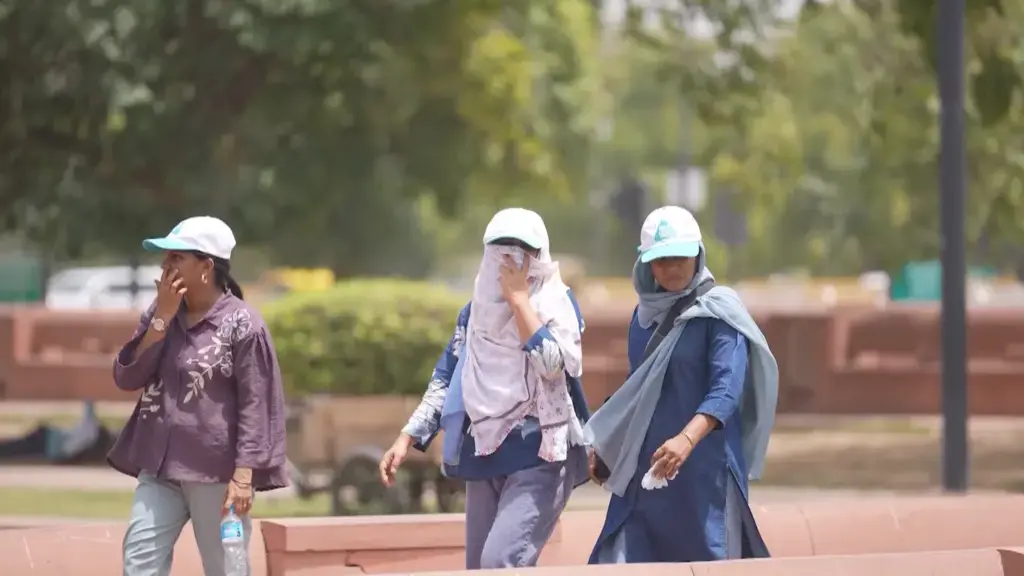
The Gendered Dimensions of Disaster
This report examines the disproportionate impact of climate change on women globally. It highlights how environmental shifts exacerbate existing inequalities, affecting women’s health, safety, and economic stability. The focus is on vulnerable communities and the specific challenges they face.
Climate change isn’t gender-neutral. Women often bear a heavier burden from its effects due to societal norms and existing disparities. They frequently have limited access to resources, decision-making power, and coping mechanisms. This makes them more susceptible to climate-related disasters.
During extreme weather events, women and girls face increased risks of violence and exploitation. Displacement often disrupts social networks and protection systems. Access to essential services like healthcare and sanitation becomes severely limited. Studies show women are 14 times more likely to die during disasters than men.
Can Climate Action Empower Women?
Furthermore, women are often responsible for securing water, food, and fuel for their families. Climate change disrupts these resources, increasing their workload and stress. Droughts, for example, force women to walk longer distances to find water, impacting their time and safety.
Addressing climate change presents an opportunity to advance gender equality. Including women in climate policy and decision-making is crucial. Their unique perspectives and knowledge can lead to more effective and sustainable solutions. Empowering women economically also builds resilience within communities.
Investing in women’s education, healthcare, and land rights is vital. These investments enhance their ability to adapt to climate change and participate in mitigation efforts. Women are often at the forefront of environmental conservation, possessing valuable traditional knowledge.
The consequences of inaction are severe. Continued climate change will worsen existing inequalities and threaten the well-being of millions of women. A future where women are empowered and resilient is possible, but it requires urgent and concerted action. Prioritizing gender equality within climate strategies is not just a matter of justice, it’s essential for effective climate action.
Frequently Asked Questions
Why are women more vulnerable to climate change? Women often have less access to resources and decision-making power. Societal norms and inequalities place them at greater risk during climate-related disasters and resource scarcity.
How can including women help with climate solutions? Women possess unique knowledge and perspectives on environmental issues. Their involvement in policy and planning leads to more effective and sustainable solutions.
What role does economic empowerment play? Economic independence allows women to adapt to climate change and build resilience within their communities. It also strengthens their ability to participate in mitigation efforts.