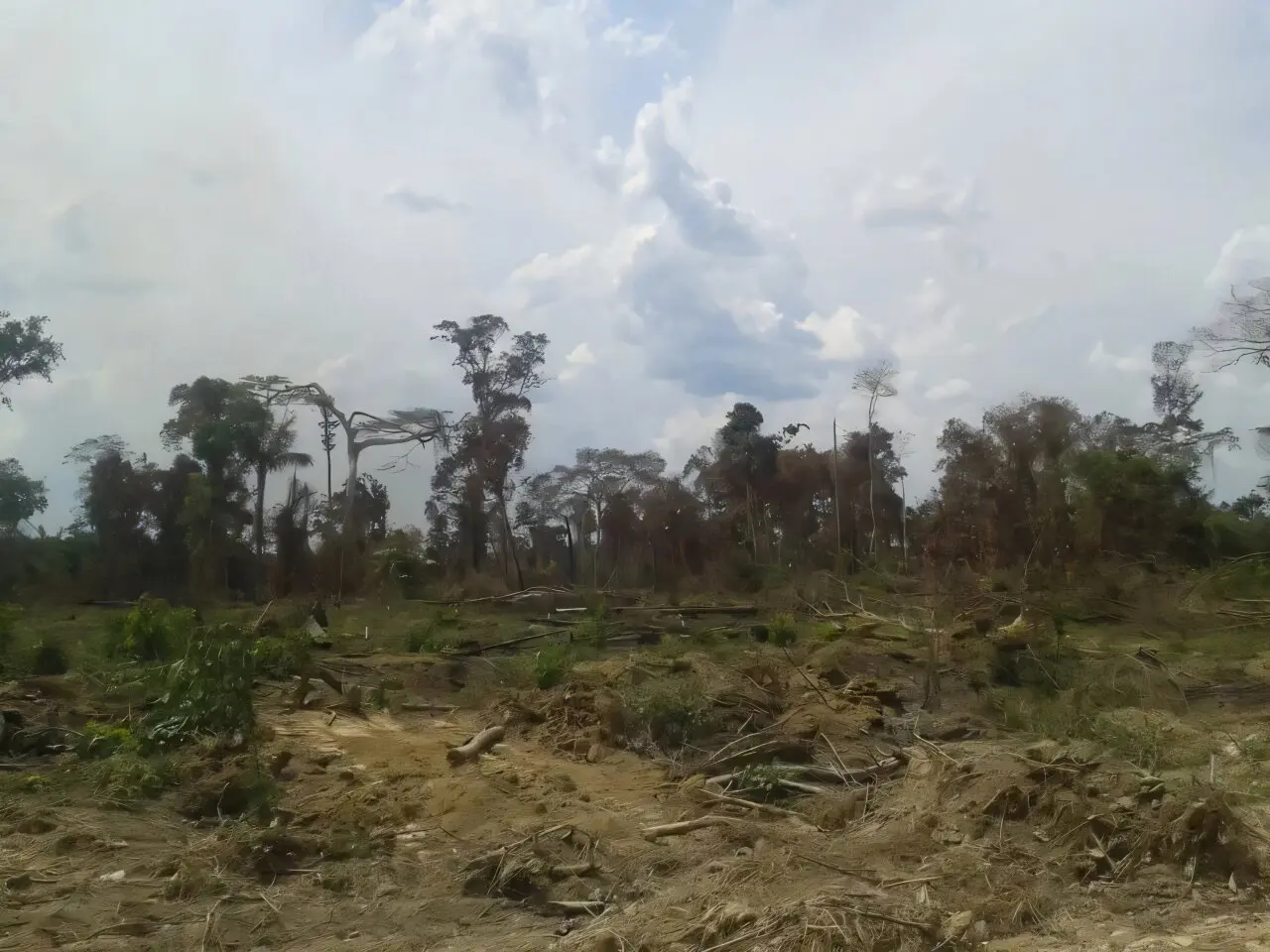
Enforcement as the Engine of Policy Success
A research team from the Institute for Food and Resource Economics at the University of Bonn has identified credible law enforcement as a key factor in making forest protection work. The study, titled „Enforcement drives conservation policy impacts at the Brazilian agricultural frontier,” examined recent conservation initiatives across Brazil’s expanding farm belt and linked their outcomes to the strength of environmental policing.
The Bonn researchers combined satellite imagery of deforestation with on‑the‑ground data on inspections, fines and prosecutions. They found that regions where authorities consistently applied penalties saw up to 30 % less forest loss than areas with lax oversight. The analysis covered a five‑year period, during which Brazil introduced new protected‑area designations and incentive programs for sustainable agriculture. Yet the authors argue that without reliable enforcement, even well‑funded policies falter, as illegal clearings continue unchecked.
In the states of Mato Grosso and Pará, where state environmental agencies increased patrols and imposed higher fines, satellite data showed a marked slowdown in forest clearing. „When landowners know that violations will be detected and punished, they adjust their practices,” said lead author Dr Lara Schmidt. The study notes that the probability of a violation being caught rose from 12 % to 48 % after the enforcement boost, correlating with a measurable decline in illegal logging incidents.
Can Stronger Enforcement Reverse Brazil’s Deforestation Trend?
The authors also highlight the role of community monitoring groups, which supplied tip‑offs that helped authorities target hotspots. By integrating local knowledge with high‑resolution monitoring, enforcement agencies could act swiftly, preventing small‑scale clearings from expanding into larger fronts. The research suggests that a mix of top‑down legal action and bottom‑up citizen involvement creates a feedback loop that sustains forest protection over time.
The researchers recommend scaling up successful enforcement models nationwide, coupled with subsidies for agroforestry and credit lines for sustainable producers. They argue that a coordinated approach could reduce Brazil’s net forest loss by an estimated 15 % over the next decade, aligning with the nation’s climate commitments under the Paris Agreement.
The study underscores that policy design matters, but execution is decisive. As Brazil grapples with global pressure to curb emissions from land‑use change, the Bonn team’s work offers a roadmap: credible, consistent enforcement, supported by community engagement and economic pathways, can turn conservation promises into tangible outcomes.
Frequently Asked Questions
What was the main method used in the study? The researchers merged satellite deforestation data with records of environmental inspections, fines and prosecutions to assess the impact of enforcement on forest loss.
Did the study find enforcement alone sufficient to stop deforestation? No. While enforcement dramatically reduced illegal clearing, the authors stress that it must be combined with incentives for sustainable farming to achieve lasting results.
How can other regions apply these findings? By strengthening inspection capacity, increasing penalty certainty, and involving local communities in monitoring, other areas can replicate the enforcement‑driven gains observed in Brazil’s agricultural frontier.