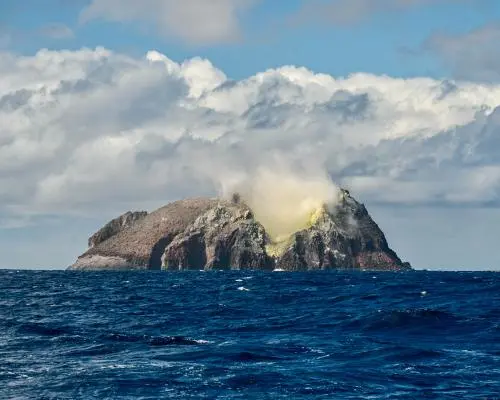
Why two empty rocks trigger a legal war
France and Vanuatu are locked in a decades-long fight over the Matthew and Hunter islands. These two small volcanic outcrops sit in the open Pacific Ocean. The dispute now centers on the surrounding 350,000 square kilometer exclusive economic zone. Vanuatu has launched two separate international legal proceedings against France. The case has reached a new and more intense phase.
The islands are barely visible from space. They host seabirds and minimal vegetation. Yet they anchor a massive stretch of ocean where fishing, minerals, and shipping lanes matter. France controls the islands today. Vanuatu argues they belong to its territory. The legal battle tests how international law handles remote maritime zones.
What happens if Vanuatu wins?
The core issue is sovereignty over the islands and the rights to the surrounding waters. Vanuatu filed its claims to assert control over the economic zone. France defends its position with historical and legal arguments. The proceedings aim to settle who gets fishing quotas and potential seabed resources.
If Vanuatu prevails, France would lose direct control of the islands. Vanuatu would gain full rights to the 350,000 square kilometer zone. This could shift regional maritime boundaries. Neighboring Pacific states would likely watch the outcome closely. The decision could set a precedent for similar remote island disputes.
What are the Matthew and Hunter islands? They are two small volcanic islands in the Pacific Ocean. They are mostly uninhabited and serve as the focal point of the France-Vanuatu dispute.
Frequently Asked Questions
Why does the 350,000 square kilometer zone matter? The zone contains valuable fishing grounds and potential mineral deposits. Control over it determines who profits from the surrounding ocean.
How did the dispute start? The conflict has lasted for decades. It stems from competing claims over sovereignty and maritime boundaries in the Pacific region.