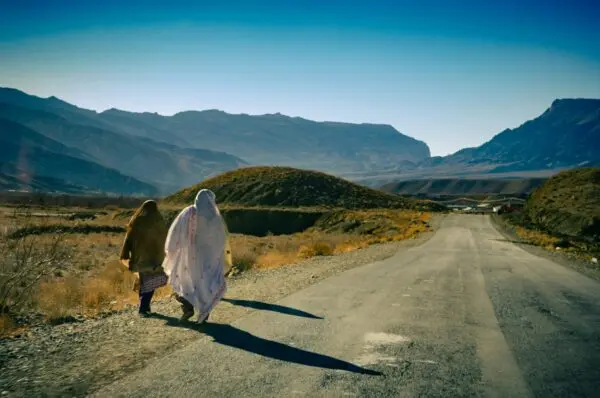
How Are Women’s Roles Changing in Baloch Militant Groups?
Women in Balochistan are increasingly moving beyond symbolic roles in militant groups, taking on active operational functions such as intelligence gathering, recruitment, and logistical support, according to recent analysis by researcher Natasha Matloob. This shift reflects evolving tactics within separatist organizations as they adapt to security pressures and seek to exploit societal perceptions of women as non-threatening. While individual motivations for joining remain complex and varied—ranging from personal grievances to ideological commitment—group-level incentives such as organizational needs and strategic advantages are more identifiable. The involvement of women allows militants to conduct surveillance, transport weapons, and evade checkpoints more effectively, leveraging traditional gender norms to their tactical benefit. This trend marks a significant development in the protracted conflict, challenging assumptions about gender roles in insurgency and complicating counterinsurgency efforts.
Women are no longer limited to passive or ceremonial functions; they now participate in active operations including message delivery, safehouse management, and identifying security force movements. Their ability to move relatively freely in conservative societies enables them to gather intelligence that male operatives might struggle to obtain. Some groups have also begun using women in propaganda efforts, framing their participation as a sign of broad-based resistance. These evolving roles indicate a pragmatic shift rather than purely ideological inclusion, driven by operational necessity in the face of intensified state security measures.
What Drives Women to Join These Organizations?
While no single motive explains individual decisions, common factors include revenge for family members killed or detained by security forces, economic hardship, and a desire for agency in patriarchal contexts. Some women report feeling empowered by their contributions to the nationalist cause, even as they operate within rigidly structured militant hierarchies. Researchers note that organizational incentives—such as the need for discreet couriers or the advantage of exploiting gender stereotypes—often align with personal motivations, creating a mutually reinforcing dynamic. This complexity undermines simplistic narratives of coercion or blind allegiance.
Are women in Baloch militancy primarily forced to join? Evidence suggests a mix of voluntary and coerced participation, with many citing personal loss or ideological belief as key factors, though social and economic pressures also play a role.
Frequently Asked Questions
Do militant groups publicly acknowledge women’s operational roles? Some groups highlight women’s contributions in propaganda to demonstrate widespread support, but specific operational details are often concealed for security reasons.
How does this trend affect counterinsurgency strategies? Security forces face challenges in detecting and interdicting female operatives due to societal norms that limit scrutiny of women, requiring more nuanced and intelligence-led approaches.