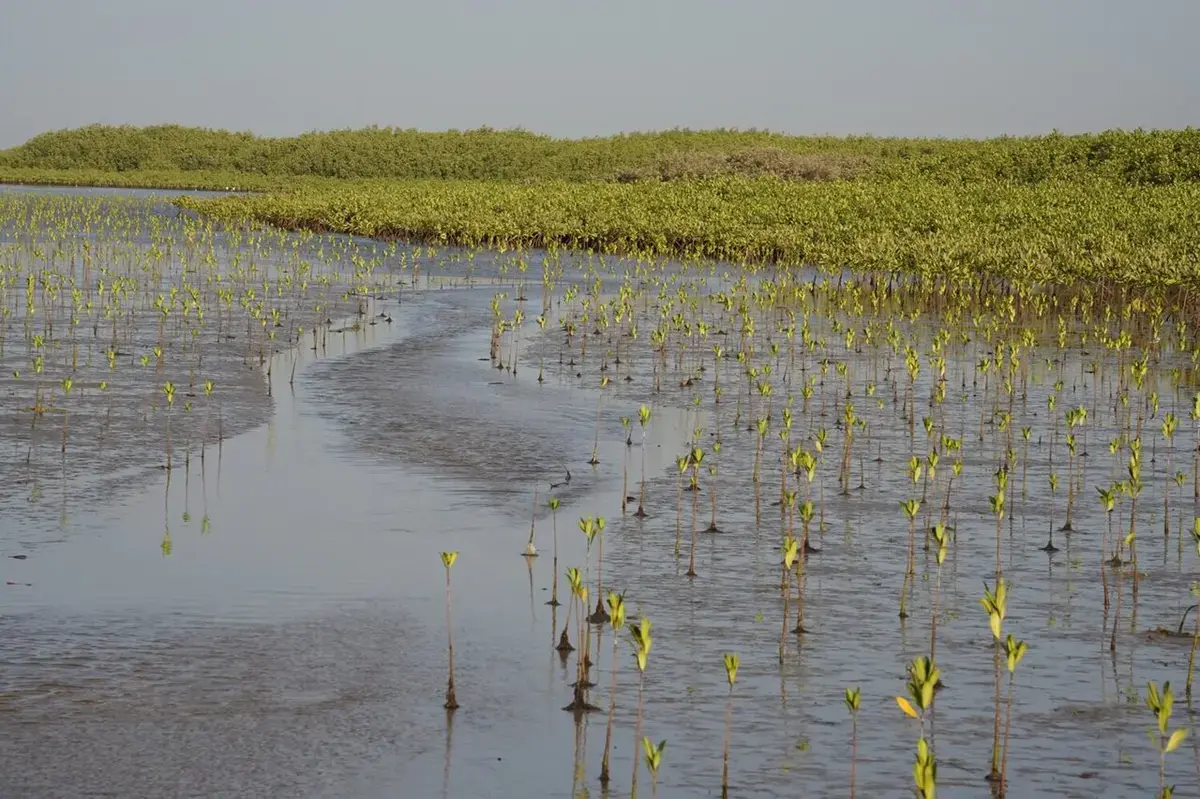
A Closer Look at Mangrove Growth Trends
Recent analysis indicates that global mangrove cover has experienced an increase over the last four decades. This growth is crucial for combating climate change. The study highlights both the successes and challenges facing mangrove ecosystems worldwide.
Mangroves are essential for coastal protection, carbon sequestration, and biodiversity. Despite their importance, certain regions have reported significant losses. The analysis reveals a complex picture, with some areas thriving while others struggle due to development pressures and climate impacts.
The study, conducted by researchers at Aberystwyth University, emphasizes that while global mangrove area has risen, localized losses are concerning. For instance, Southeast Asia has seen substantial degradation due to urbanization and agricultural expansion. In contrast, regions like South America have shown positive trends in mangrove restoration efforts.
Why Are Mangroves So Important?
Researchers noted that increased awareness and conservation initiatives have contributed to the growth in some areas. Notably, countries that have implemented protective legislation have seen positive results. The analysis suggests that community engagement and sustainable practices are key to maintaining and expanding mangrove habitats.
Mangroves play a critical role in mitigating climate change. They act as carbon sinks, trapping carbon dioxide and reducing greenhouse gas levels. Additionally, they provide habitat for numerous species and protect coastlines from erosion and storm surges.
The study's findings underline the urgency of protecting these vital ecosystems. With rising sea levels and increasing storm intensity, the loss of mangroves could have devastating consequences for coastal communities and biodiversity.
Looking ahead, the outlook for global mangrove cover remains cautiously optimistic. Continued conservation efforts, combined with global recognition of their importance, may help reverse trends of loss in vulnerable areas. However, without sustained action, the future of mangroves and their benefits may be at risk.
Frequently Asked Questions
What are the main threats to mangrove ecosystems? Mangroves face threats from urban development, agriculture, and climate change. These factors lead to habitat loss and degradation, particularly in vulnerable regions.
How can communities help protect mangroves? Community involvement is crucial for mangrove conservation. Local education, sustainable practices, and participation in restoration projects can significantly impact mangrove health and resilience.
What role do mangroves play in climate change mitigation? Mangroves sequester carbon dioxide, helping to reduce greenhouse gases in the atmosphere. They also provide protection against coastal erosion and flooding, making them vital in the fight against climate change.