One Database, Many Partners
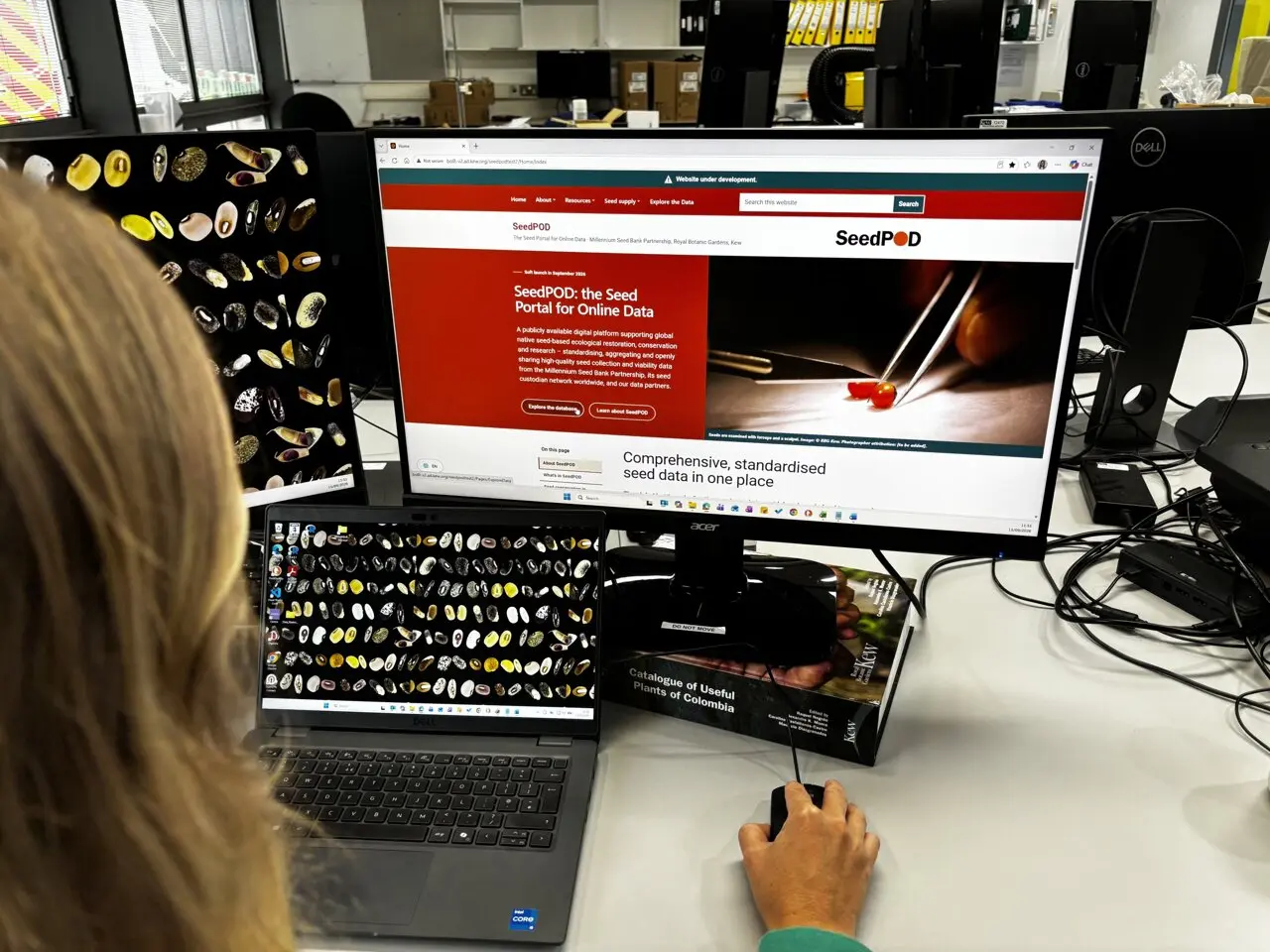
On October 13, the Royal Botanic Gardens, Kew launched the Seed Portal for Online Data, or SeedPOD. This open-access platform targets a critical gap in global ecological restoration efforts. The initiative makes native seed collections and related knowledge freely available to researchers and restoration practitioners worldwide.
The platform addresses a well-documented problem: many restoration projects stall because suitable native seeds are scarce or hard to locate. SeedPOD aggregates seed inventory data from multiple institutions into one searchable interface. Users can query by species, region, or conservation status to find exactly what they need.
Why Seed Access Matters
SeedPOD does not own the seeds themselves. Instead, it links to partner seed banks and botanical collections across continents. The portal standardizes metadata so that a botanist in Australia can find the same data format as a researcher in Europe. This interoperability reduces duplication and speeds up project planning.
Restoration ecologists have long warned that the lack of reliable native seed supply chains is a major obstacle to rewilding large landscapes. By centralizing access information, SeedPOD helps teams move faster from planning to planting. The platform also supports long-term monitoring by tracking which seed lots were used in specific projects.
Is SeedPOD free to use? Yes, it is an open-access platform with no subscription fee.
Frequently Asked Questions
Does SeedPOD sell seeds? No, it provides inventory and location data. Actual seed acquisition still goes through the partner institutions listed in the portal.
How many seed collections are currently indexed? The portal aggregates data from multiple international seed banks, though exact counts vary as new partners join.