The Growing Economic Strain on Agriculture
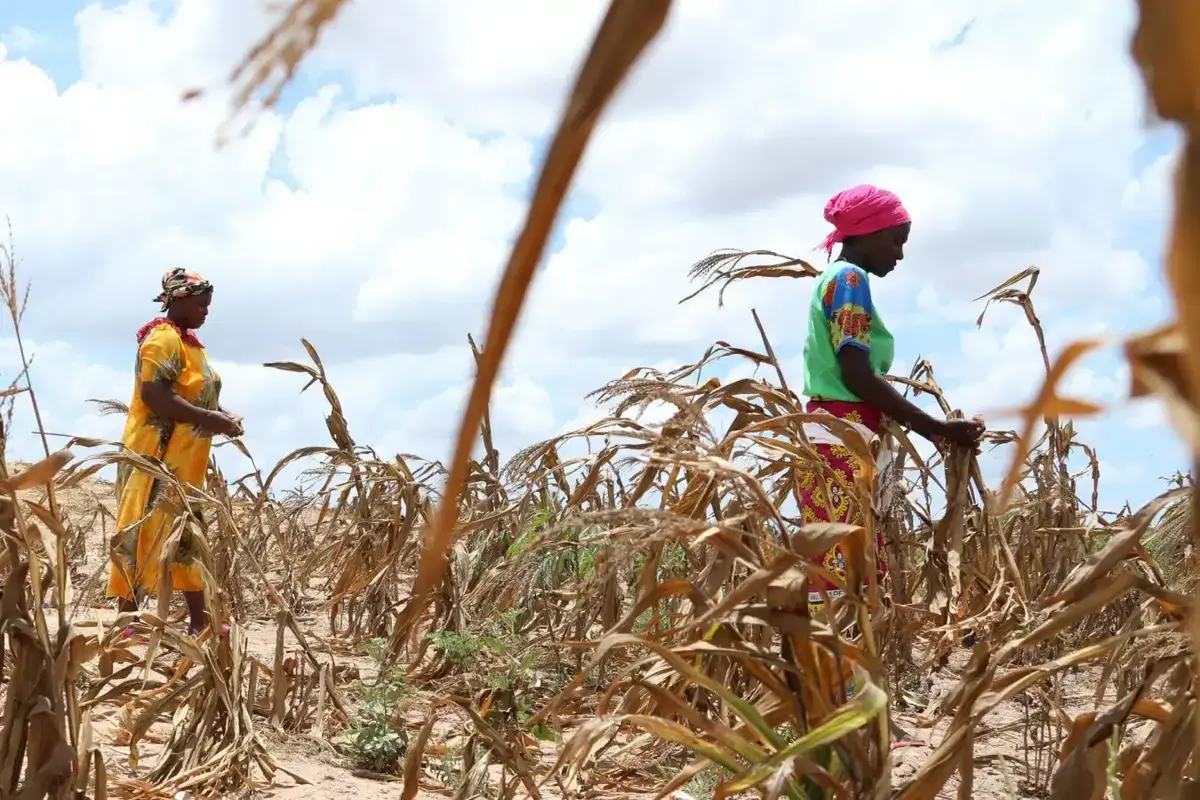
Climate change is already severely impacting agricultural yields worldwide. This trend leads to financial losses exceeding $20 billion every year. Experts predict these losses will continue to escalate as global temperatures rise further.
The economic stability of nations heavily reliant on agriculture is particularly vulnerable. These countries face significant challenges in sustaining their economies and feeding their populations. The long-term outlook suggests a worsening situation without substantial intervention.
The current financial toll on global agriculture is substantial. Over $20 billion is lost annually due to climate-related crop failures. This figure represents a direct economic blow to farmers and national economies alike.
How Will This Affect Food Security?
These losses are not evenly distributed across the globe. Developing nations, often with large agricultural sectors, bear a disproportionate share of the burden. Their limited resources make adaptation and recovery much harder.
The continuous decline in crop yields poses a direct threat to global food security. As agricultural output decreases, food prices are likely to increase, making essential sustenance less accessible for vulnerable populations. This could lead to widespread food shortages and increased hunger in many regions.
Frequently Asked Questions
The long-term consequences extend beyond economics and food supply. Social unrest and mass migration could result from widespread food insecurity. Addressing climate change's impact on agriculture is crucial for global stability.
What is the primary cause of these crop losses? The main cause is global warming, which alters weather patterns, leading to extreme events like droughts, floods, and heatwaves that damage crops.
Which countries are most affected by these financial losses? Countries with large agricultural sectors and fewer resources to adapt to climate change are disproportionately affected, often in developing regions.