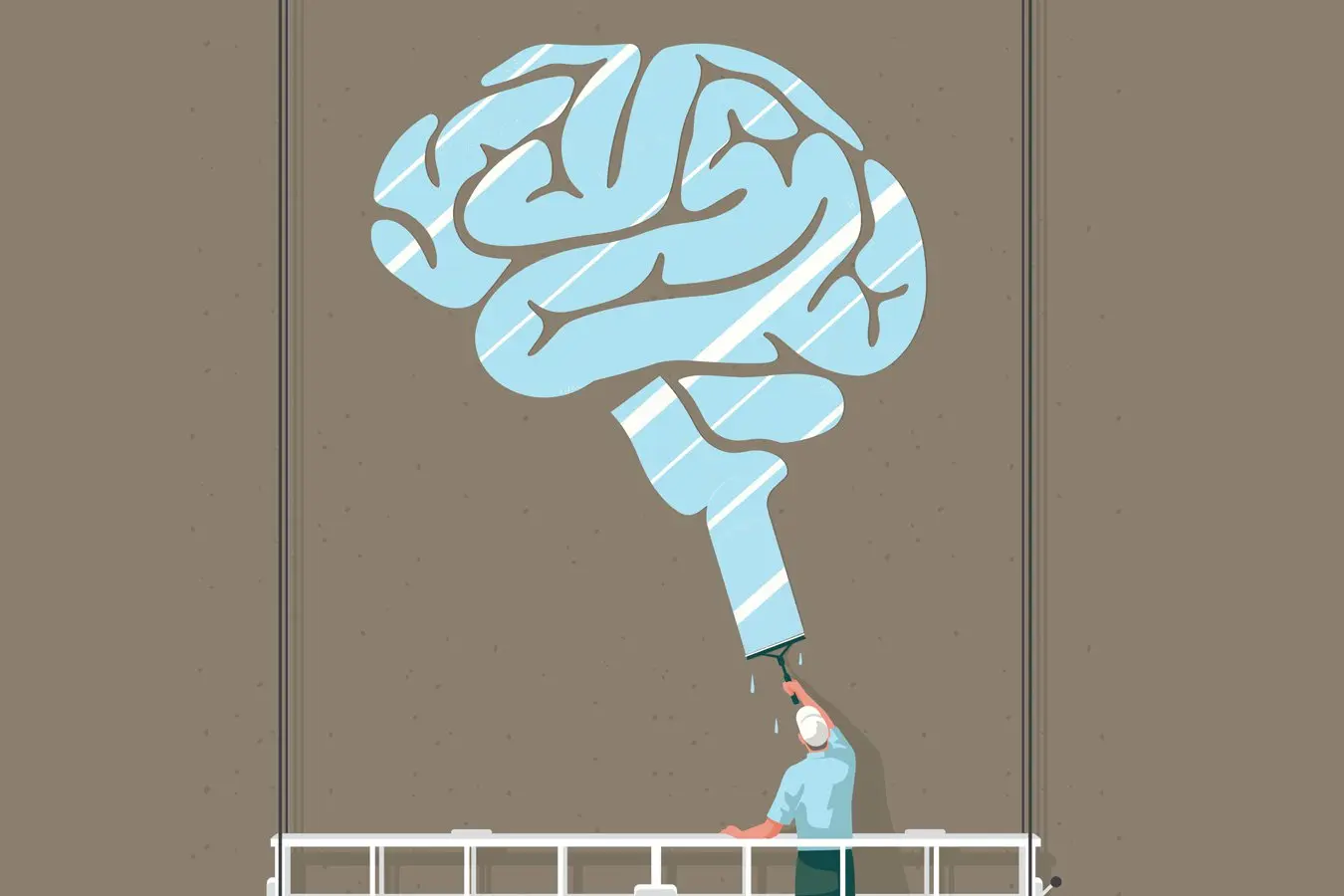
Sleep Quality and Glymphatic Efficiency
The glymphatic system, a recently identified network in the brain, is responsible for clearing toxins during sleep. Scientists are now exploring ways to enhance this natural cleaning process to protect against neurodegenerative diseases such as Alzheimer’s.
Lifestyle Factors That Boost Brain Cleaning
Researchers have discovered that when the brain’s neurons quiet down at night, glial cells and blood vessels create a fluid flow that flushes out metabolic waste. This „brain housekeeping” is essential for maintaining neural health, and its efficiency appears to decline with age and disease. Enhancing glymphatic activity could therefore reduce the buildup of amyloid plaques linked to Alzheimer’s.
Is There a Direct Link Between Glymphatic Function and Alzheimer’s Risk?
Studies show that deep, uninterrupted sleep maximizes glymphatic clearance. During slow‑wave stages, the interstitial space expands, allowing cerebrospinal fluid to penetrate more deeply and remove waste products. Poor sleep or fragmented nights limit this expansion, leading to toxin retention. Researchers recommend consistent sleep schedules, a cool bedroom environment, and avoidance of stimulants before bedtime to support optimal glymphatic flow.
Physical exercise, particularly aerobic activity, increases blood flow and may stimulate the glymphatic system. Regular walking, cycling, or swimming has been linked to higher clearance rates in animal models. Diet also plays a role; diets rich in omega‑3 fatty acids and low in processed sugars support vascular health, which is critical for efficient fluid transport. Additionally, hydration status matters: adequate water intake helps maintain cerebrospinal fluid volume, facilitating toxin removal.
What Can We Do Today to Support Brain Health?
Evidence from human imaging and animal studies suggests a correlation between impaired glymphatic clearance and Alzheimer’s pathology. In patients with early cognitive decline, scans reveal reduced fluid movement and higher amyloid accumulation. While causation remains to be proven, the data imply that interventions aimed at enhancing glymphatic activity could lower Alzheimer’s risk or slow its progression. Clinical trials are underway to test pharmacological agents that open the perivascular channels and improve waste removal.
Frequently Asked Questions
Individuals can adopt habits that promote glymphatic function: maintain regular sleep, stay physically active, eat a balanced diet, and stay hydrated. For those at higher risk of Alzheimer’s—such as older adults or those with a family history—consulting a healthcare professional about sleep quality and cardiovascular health is advisable. Emerging therapies may soon offer targeted ways to boost this natural cleaning system, but until then, lifestyle choices remain the most accessible strategy.