The Limits of US Military Presence
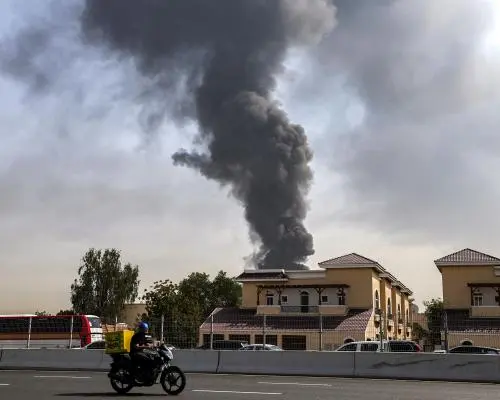
The International Institute for Strategic Studies has warned that Gulf states need to fundamentally reassess their defense strategies. This shift comes after the US-Iran conflict exposed critical vulnerabilities in regional security architecture. The report highlights how the war damaged local economies and challenged the continued utility of American military installations in the region.
The study questions the excessive reliance on American support. In the weeks leading up to the April 8 ceasefire, Iranian attacks demonstrated that US bases were not fully protected. This forced Gulf leaders to confront a hard truth: external guarantees alone cannot ensure regional stability. The report argues that continued dependence on foreign military assets creates strategic fragility.
How Should Gulf States Redefine Security?
The conflict revealed gaps in air defense systems and command structures. Gulf states invested heavily in advanced weaponry, yet the war tested those investments under real combat conditions. Analysts note that the damage to infrastructure and economic activity made the case for a new approach.
The IISS report suggests a pivot toward indigenous defense capabilities. Rather than relying solely on US bases, Gulf nations should build stronger domestic military infrastructure. This includes expanding local air defense networks and investing in cyber and missile defense technologies. The goal is to reduce vulnerability to external shocks.
Economic resilience is also a key factor. The war hit oil revenues and tourism, forcing governments to balance defense budgets against recovery spending. The study recommends reallocating funds toward flexible, multi-domain defense systems. This would allow Gulf states to respond quickly to future threats without waiting for foreign intervention.
Frequently Asked Questions
Why is the IISS criticizing US base reliance? The report argues that US bases proved vulnerable during the conflict. Over-reliance on foreign military presence leaves Gulf states exposed when those assets are under attack.
What specific changes does the study recommend? Gulf states should invest in local air defense, missile interceptors, and cyber capabilities. The aim is to reduce dependence on external support.