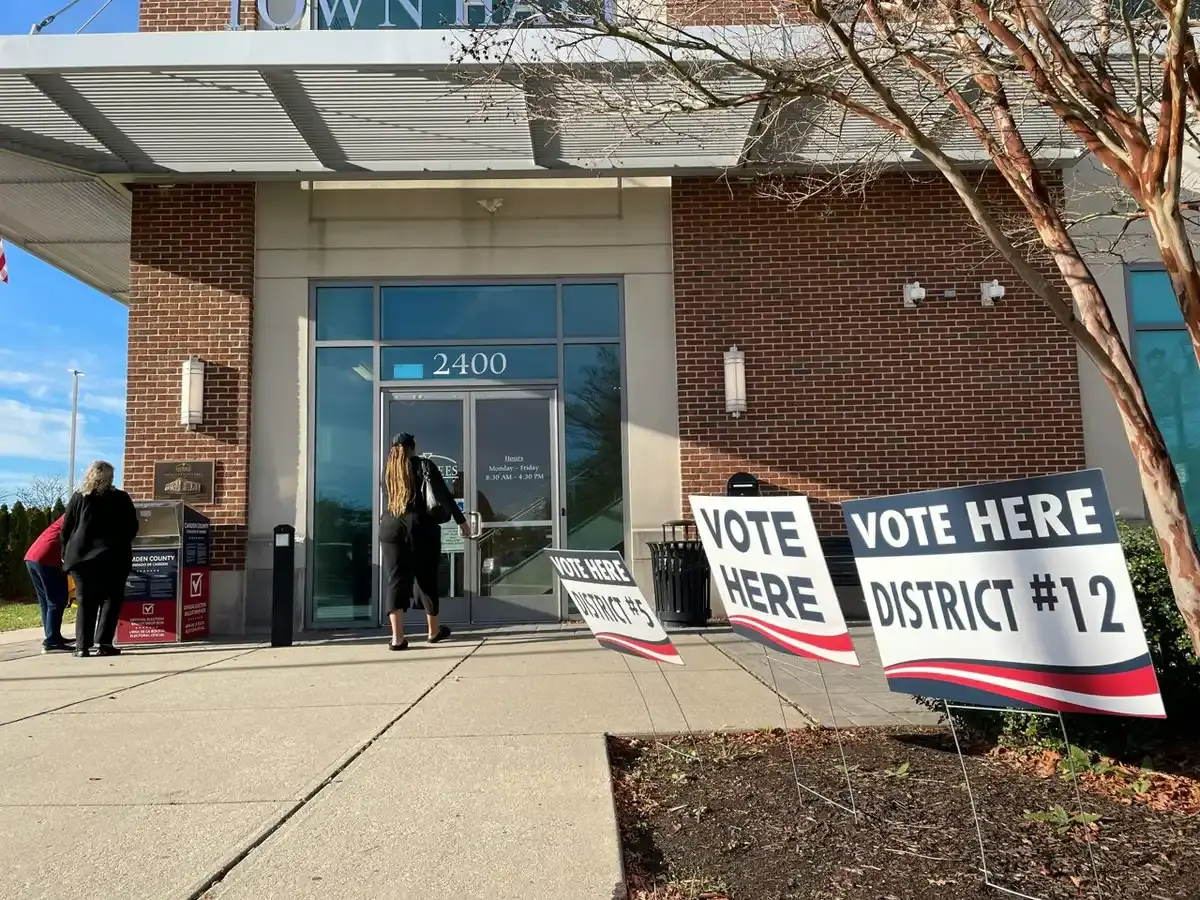
Voter Engagement in Health Policies
Recent research indicates that health-related measures on ballots are increasingly likely to gain voter approval. This trend is evident in various states, where citizens are asked to weigh in on complex health policy issues.
As public interest in health policies grows, voters are becoming more engaged in these critical decisions. The study highlights how issues like healthcare access, mental health resources, and public health funding resonate with constituents. Voters often see these measures as directly impacting their communities, leading to higher approval rates.
The rise in successful health-related ballot measures can be attributed to several factors. Voters are more informed about health issues than ever before, thanks to increased media coverage and advocacy efforts. Additionally, the COVID-19 pandemic has heightened awareness of public health, making voters more receptive to measures aimed at improving healthcare systems.
Why Are Health Measures So Popular?
Recent elections have showcased this trend. For example, states that proposed funding for mental health services or expanding Medicaid saw significant support. Research indicates that when voters understand the direct benefits of a measure, they are more likely to approve it.
What drives voters to support health-related initiatives? One reason is the personal connection many feel towards health issues. When ballot measures address local health concerns, voters often rally behind them. For instance, initiatives that promise to improve access to healthcare in underserved areas tend to draw strong support.
Moreover, the framing of these measures plays a crucial role. Campaigns that effectively communicate the potential benefits, such as improved health outcomes or reduced costs, tend to resonate more with voters. This strategic communication is vital in persuading the electorate to support complex policy changes.
Frequently Asked Questions
Looking ahead, the trend of increasing approval for health-related ballot measures is likely to continue. As voters become more engaged and informed, they may push for even more ambitious health policies. This could lead to significant changes in how healthcare is delivered and funded at the state and local levels.
Why are health-related ballot measures becoming more popular? Voter interest in health issues has risen, particularly due to the COVID-19 pandemic. Increased awareness and personal connections to health concerns make these measures appealing.
What factors contribute to the success of these measures? Effective communication about the benefits and direct impacts of health initiatives plays a critical role. When voters understand how a measure benefits their community, they are more likely to support it.