How Do Animals Survive Near Such a Famous Landmark?
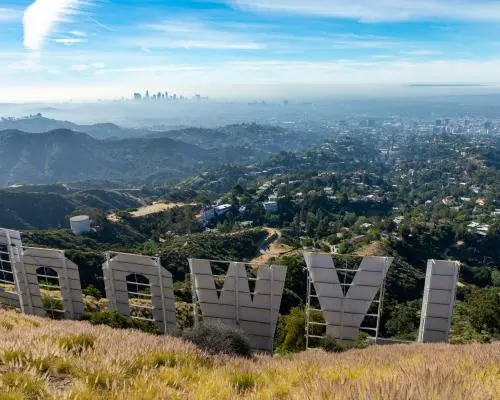
Atop Mount Lee in Los Angeles, the iconic Hollywood sign overlooks a surprisingly diverse ecosystem where red-tailed hawks ride thermal currents and mountain lions roam the surrounding hills. This urban wilderness exists just miles from downtown LA, blending famous landmarks with untouched natural spaces that support native species. The area’s quiet mornings and clear views offer a stark contrast to the bustling city below, revealing a secret world thriving beneath one of America’s most recognizable symbols.
The Hollywood sign’s location on Mount Lee places it within a protected corridor of the Santa Monica Mountains, where wildlife adapts to life near a major metropolis. Red-tailed hawks are frequently seen gliding on updrafts created by the terrain, using minimal energy as they survey the landscape below. Biologists note that the region supports not only raptors but also bobcats, deer, and occasional mountain lions, all navigating fragments of habitat connected by narrow wildlife corridors. Despite proximity to urban development, these animals rely on the sign’s surrounding slopes for shelter and hunting, demonstrating resilience in an environment shaped by both nature and human presence.
What Challenges Lie Ahead for This Urban Wilderness?
Wildlife persists near the Hollywood sign due to ongoing conservation efforts and the rugged topography that limits heavy development. The Santa Monica Mountains Conservancy and local groups work to preserve open spaces, reduce fragmentation, and monitor animal movement through camera traps and tracking studies. These initiatives help maintain genetic diversity among populations isolated by highways and residential zones. While human activity poses risks—such as rodenticide poisoning affecting predators—the protected status of much of the land provides a refuge where natural behaviors can continue, even as tourists snap photos of the letters above.
Climate change, drought, and increasing wildfire threats strain the delicate balance between urban expansion and ecological preservation in the Hollywood Hills. Longer dry seasons reduce water availability for plants and animals, while invasive species disrupt native vegetation that supports the food chain. Experts warn that without expanded wildlife crossings and stricter land-use policies, critical pathways could vanish, trapping animals in shrinking habitats. Yet, the continued presence of hawks, cats, and lions suggests that with sustained stewardship, this hidden ecosystem can endure—not despite its famous neighbor, but alongside it.
What kinds of animals are commonly seen near the Hollywood sign? Red-tailed hawks are regularly observed riding air currents above Mount Lee, while ground surveys and trail cameras have detected bobcats, deer, and occasional mountain lions in the surrounding slopes.
Frequently Asked Questions
Is the area around the Hollywood sign protected from development? Yes, much of the land on and around Mount Lee is managed by conservation authorities and designated as open space to preserve wildlife habitat and scenic views, limiting construction and promoting ecological connectivity.
How do wildfires affect wildlife in the Hollywood Hills? Fires can destroy vegetation and displace animals, but many species have evolved to survive low-intensity burns; however, increasingly frequent and intense fires due to climate change threaten long-term habitat stability and recovery.