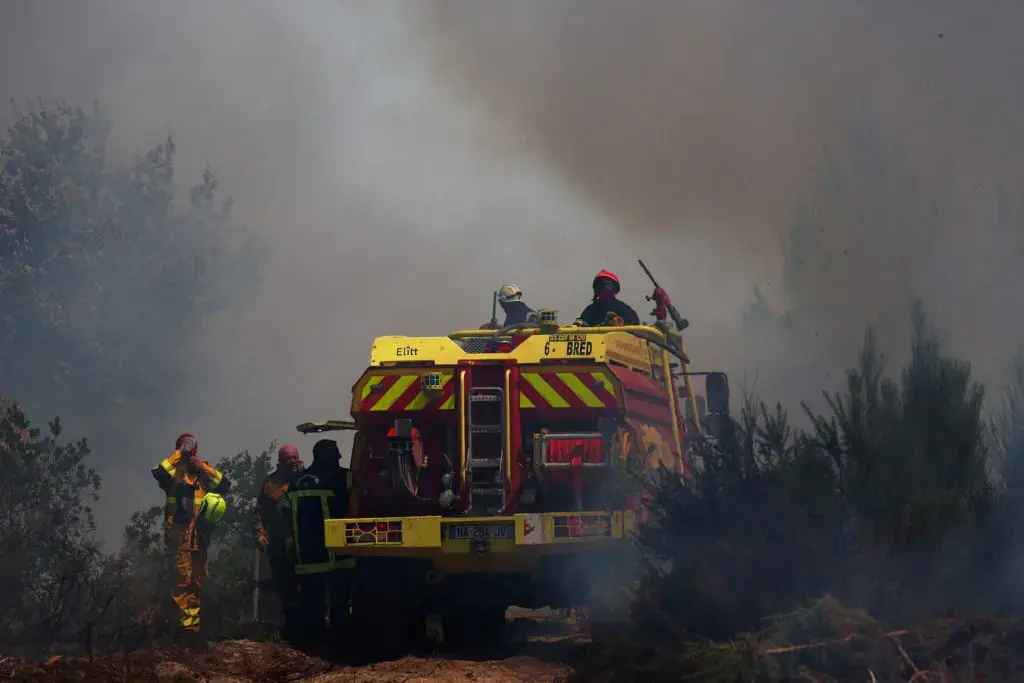
Unprecedented Heat and Drought Conditions
Human activities significantly increased the likelihood of extreme wildfire conditions in Spain and France. This finding comes from a rapid scientific analysis. It highlights the undeniable link between climate change and recent devastating blazes.
The study confirms that the fingerprints of climate change are evident in the extreme weather that sparked these fires. Scientists used established methods to quickly assess the role of human influence. Their work provides a stark reminder of our impact on the planet.
The research focused on the specific meteorological conditions that led to the outbreaks. These included prolonged periods of intense heat and severe drought. Such conditions create a perfect environment for fires to ignite and spread rapidly. The analysis showed a clear increase in the probability of these extreme weather patterns. This increase is directly attributable to human-induced global warming.
How Does Climate Change Intensify Wildfires?
Scientists employed climate models and historical data for their assessment. They compared current conditions to a world without human-caused climate change. The difference was striking, indicating a much higher chance of such fire-prone weather today.
Climate change intensifies wildfires primarily by raising global temperatures. Warmer air draws more moisture from the land, leading to drier vegetation. This dry fuel ignites more easily and burns more intensely. Additionally, heatwaves themselves can create unstable atmospheric conditions. These conditions can generate strong winds, further fanning the flames. The overall effect is a longer and more severe fire season.
The findings underscore the urgent need for climate action. Without significant reductions in greenhouse gas emissions, such extreme events will become even more common. Communities in fire-prone regions face increasing risks. Adaptation strategies are also crucial to protect lives and property.
Frequently Asked Questions
What methods did scientists use for this rapid analysis? Scientists used established climate models and historical weather data. They compared current extreme weather events to simulations of a world without human-caused climate change. This allowed them to quantify the increased likelihood.
How does human activity directly contribute to these extreme fire conditions? Human activity, primarily through burning fossil fuels, releases greenhouse gases into the atmosphere. These gases trap heat, leading to global warming. This warming creates hotter, drier conditions that are more conducive to wildfires.
What are the immediate implications of these findings for affected regions? The findings imply that regions like Spain and France should prepare for more frequent and intense wildfires. This requires improved fire management strategies, early warning systems, and community resilience building.