The Underwater Symphony Disrupted
Human-made noise now blankets nearly every corner of the planet. This constant auditory intrusion is fundamentally altering how animals perceive their environment, affecting their survival, reproduction, and daily routines.
The problem is not just about volume. It is about the specific frequencies and patterns of industrial, traffic, and construction sounds that overlap with the natural acoustic channels animals rely on for communication and navigation.
How Do Animals Adapt to the Noise?
In a quiet seagrass meadow, you can hear the faint pop of oxygen bubbles rising to the surface. Marine biologists describe this as „tinkling bells.”However, ship engines and coastal development are drowning out these subtle natural sounds. This forces marine creatures to alter their vocalizations or migrate to quieter zones, which may not exist.
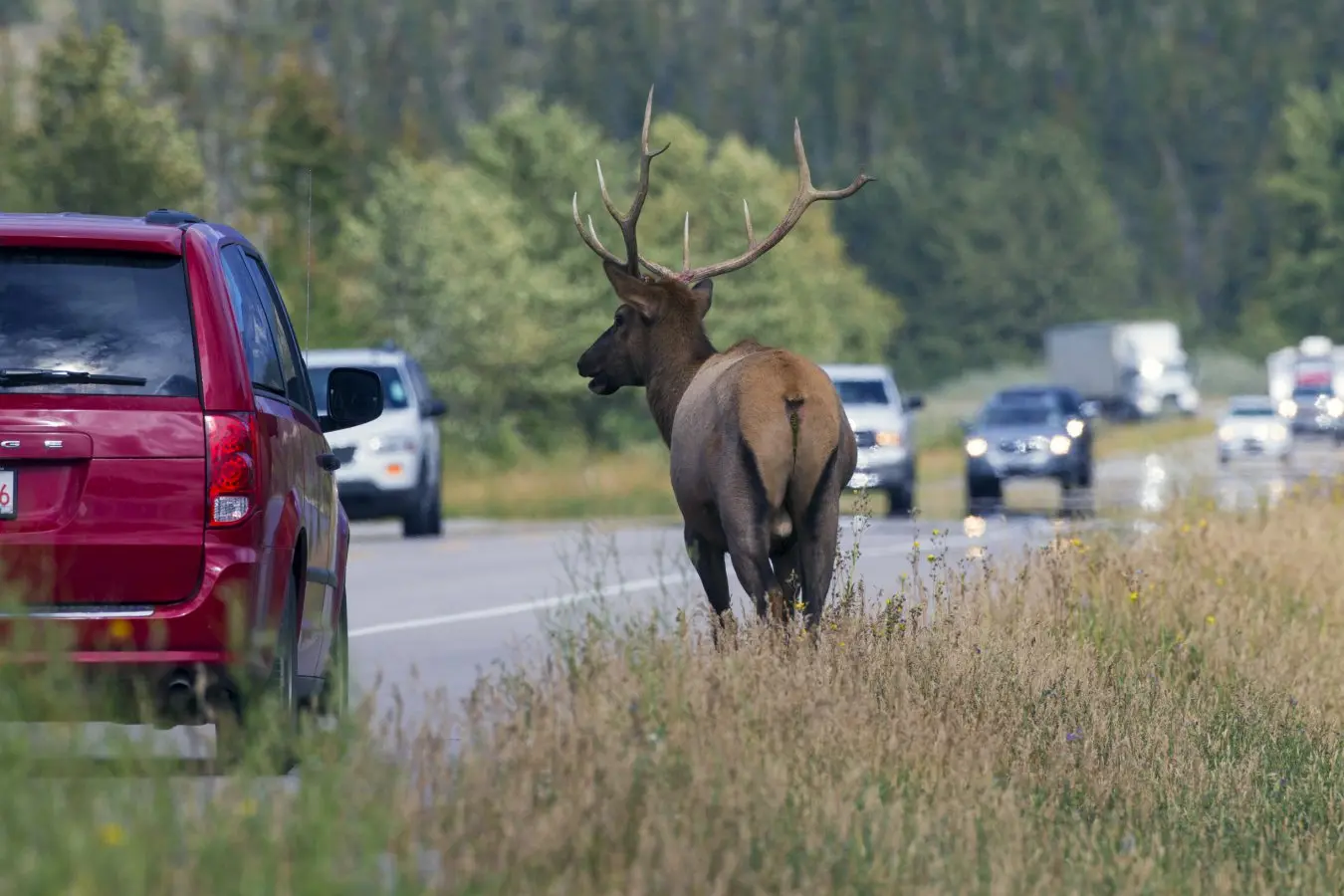
The impact extends far beyond the ocean. In forests, birds are shifting their song pitch higher to be heard over traffic. In deserts, insects are changing their calling patterns. This acoustic masking effect is a primary driver of behavioral adaptation in the animal kingdom.
Animals are not passive victims of this acoustic shift. Many species are demonstrating remarkable plasticity. Some birds now sing at dawn or dusk to avoid peak traffic hours. Marine mammals are using lower frequency calls that penetrate background noise better.
The Path Forward
This adaptation comes at a cost. Energy spent on louder or shifted communication reduces energy available for foraging and reproduction. Over time, populations in heavily polluted areas show higher stress hormone levels and lower reproductive success.
Reducing noise pollution requires coordinated action. Cities are experimenting with quieter road surfaces and lower speed limits. Marine protected areas are expanding to create acoustic sanctuaries. The goal is to restore the natural soundscape, giving animals the auditory space they need to thrive.
Is noise pollution worse than light pollution for animals? Both are significant, but noise pollution directly interferes with communication and navigation. Light pollution primarily affects circadian rhythms. Noise pollution is more immediately disruptive to daily behavior.
Frequently Asked Questions
Can animals recover if noise levels drop? Yes, many species show rapid behavioral recovery when noise decreases. However, some physiological changes, like stress hormone elevation, may take longer to normalize.
What is the loudest source of noise pollution? Commercial shipping is the dominant source in marine environments. On land, road traffic and construction are the primary contributors to chronic noise exposure.