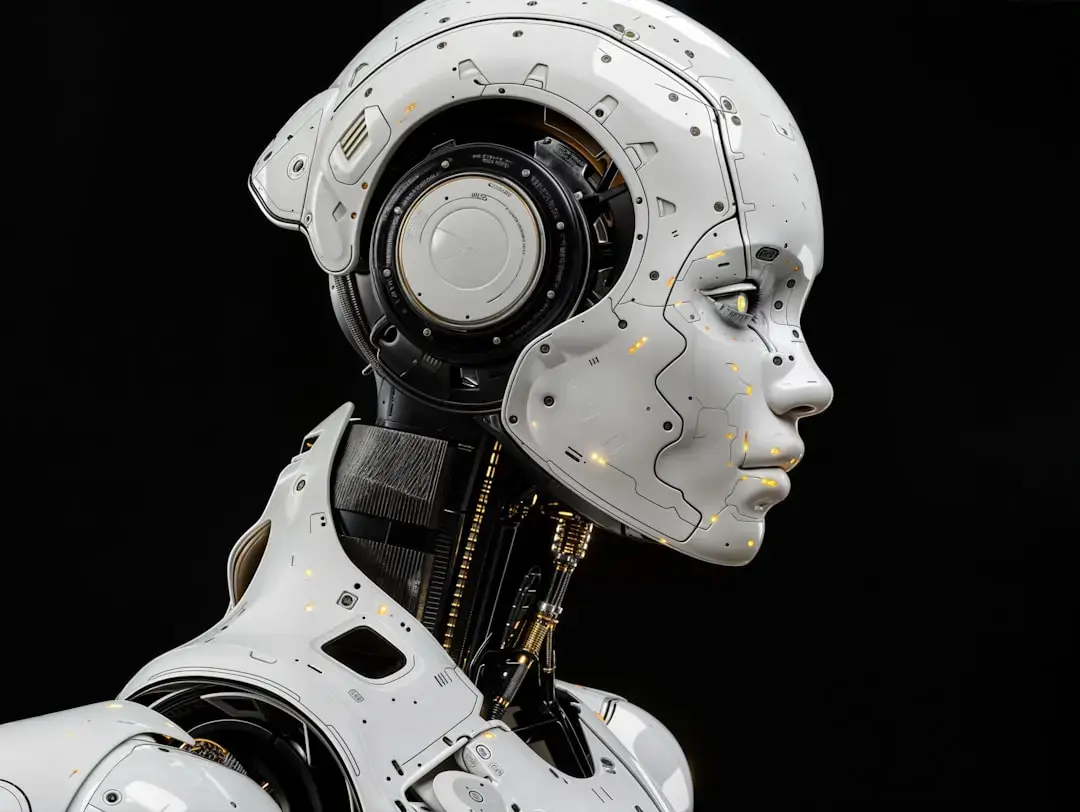
Robotic Precision in the Operating Room
Surgeons have successfully used humanoid robots to perform gallbladder removal on living pigs. This marks a significant milestone in medical technology. The study, detailed in the journal Nature , shows the robots can handle complex surgical tasks. This breakthrough could change how operations are done in the future.
This pioneering work involved laparoscopic cholecystectomies. These are minimally invasive procedures. The robots were controlled by human surgeons. This allowed for precise movements during the operations.
The successful surgeries highlight the growing capabilities of robotic systems in medicine. This technology could offer new ways to perform delicate procedures. It also opens doors for remote surgery. Such advancements could benefit patients in many ways.
Could Remote Surgery Become Routine?
One surgeon noted the potential for operating from a distance. This capability could be crucial in various situations. It might allow specialists to assist in surgeries globally. It could also improve access to care in remote areas.
The ability to operate remotely could revolutionize surgical practice. It offers flexibility and expands the reach of expert surgeons. This could lead to better outcomes for patients worldwide. The technology still needs further development and testing.
This initial success paves the way for more research. Future studies will likely explore other surgical applications. The long-term goal is to integrate these robots into standard medical practice. This could make advanced surgery more accessible.
Frequently Asked Questions
What type of surgery did the robots perform? The humanoid robots performed laparoscopic gallbladder removal. This is a common and minimally invasive surgical procedure.
What does this mean for the future of surgery? This development suggests a future where surgeons could operate remotely. It could also improve precision and access to specialized care globally.
Were the surgeries performed on humans? No, the surgeries were performed on living pigs. This was a feasibility study to test the robots' capabilities in a live setting.