How Solar Is Reshaping Urban Energy Landscapes
Jakarta, Indonesia — May 9, 2020 — Amid growing concerns over economic headwinds, Indonesia is emerging as a critical frontier for renewable energy investment, particularly in solar power, as policymakers and industry players recognize the nation’s vast untapped potential to drive sustainable development and energy security.
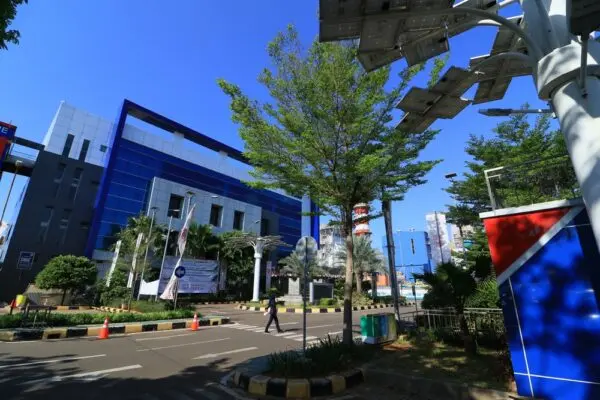
The country’s recent economic challenges have intensified focus on diversifying energy sources, with solar installations in urban spaces like city parks symbolizing a broader shift toward clean energy. Photovoltaic modules deployed in public areas reflect both grassroots awareness and strategic efforts to integrate renewables into daily life, even as national policy frameworks evolve under President Prabowo Subianto’s administration. These developments come at a time when Indonesia seeks to balance economic recovery with long-term environmental goals, leveraging its equatorial geography for high solar yield.
What Barriers Remain to Widespread Adoption?
In Jakarta and other major cities, solar panels on stands in public parks are more than symbolic gestures — they represent pilot projects testing scalability, public engagement, and grid integration. Officials note that such installations help demonstrate technology viability while reducing reliance on fossil fuels in densely populated areas. Early data suggests these systems contribute meaningfully to local energy needs, especially during peak daylight hours, and serve as educational tools for communities adopting sustainable practices.
Despite progress, challenges persist in financing, regulatory clarity, and infrastructure readiness. Experts caution that without consistent incentives and streamlined permitting, large-scale solar deployment may lag behind potential. Grid modernization and storage solutions are also critical to manage intermittency. Nevertheless, analysts highlight Indonesia’s young population, rising energy demand, and international climate commitments as powerful catalysts that could accelerate investment if policy certainty improves.
Frequently Asked Questions
What is driving Indonesia’s push for solar energy? A combination of economic pressures, environmental commitments, and the need for energy independence is prompting greater focus on solar power as a scalable, domestic solution to reduce import dependence and meet climate targets.
Are urban solar installations making a measurable difference? Yes, while individually modest, these projects collectively contribute to local clean energy supply, raise public awareness, and provide real-world data to inform national scaling strategies — proving that decentralized solar can play a role in Indonesia’s energy transition.