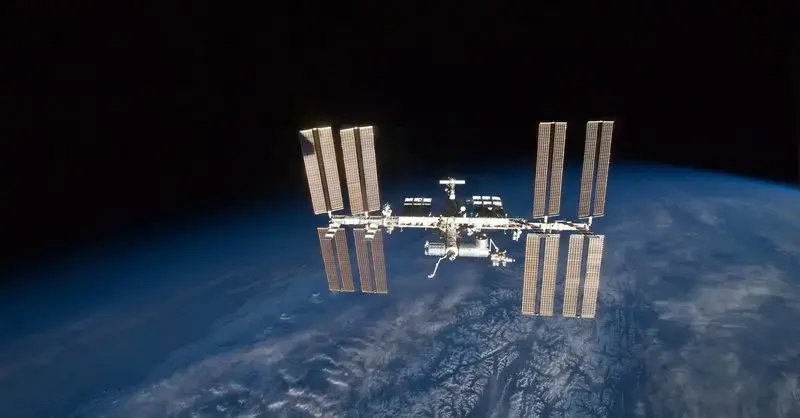
Why Zvezda remains a vulnerability
Astronauts aboard the International Space Station took precautionary shelter on Tuesday after maintenance on Russia’s Zvezda service module raised new worries about possible air leaks. The crew moved to the station’s Russian segment, sealing hatches and donning protective gear while engineers evaluated the situation. No immediate danger was reported, but the episode underscores ongoing challenges with the aging module.
The Zvezda module, launched in 2000, has a long history of micro‑leaks that gradually erode cabin pressure. Recent work involved replacing a pressure‑regulating valve that had shown signs of wear. Technicians reported a faint hiss during the replacement, prompting the crew to isolate the affected compartment. NASA and Roscosmos officials said the sound suggested a minor breach, though measurements showed pressure loss remained within safe limits. The precautionary shelter is standard protocol when any anomaly threatens the station’s atmosphere.
Zvezda’s design predates many of the ISS’s newer safety systems, making it prone to seal degradation. The module’s external hull has been exposed to space debris and thermal cycling for more than two decades, accelerating material fatigue. „We have observed small leaks in Zvezda since the early 2000s,” said a Roscosmos engineer, „and each repair is a race against time.” The recent valve swap was part of a broader effort to retrofit the module with modern components, but the operation highlighted how even minor interventions can trigger pressure anomalies. Engineers are now reviewing the module’s leak‑rate data to decide whether a full‑scale hull refurbishment is required.
Can a small leak jeopardize the ISS’s safety?
While a single micro‑leak is unlikely to endanger the station, cumulative losses can strain life‑support systems. The ISS maintains a nominal pressure of 101.3 kPa; any sustained drop forces the crew to increase oxygen generation and nitrogen replenishment, consuming valuable resources. „Our monitoring systems would alert us to any significant deviation,” explained a NASA flight controller. „If the leak persisted, we would consider relocating the crew to a different segment or, in extreme cases, planning an emergency return.” For now, the leak remains within tolerable limits, and the crew resumed normal activities after a short containment period.
The incident will prompt a reassessment of maintenance schedules for the Zvezda module. Engineers plan to install additional pressure sensors and explore seal‑enhancement technologies. The crew’s swift response demonstrates the ISS’s robust safety culture, but the episode serves as a reminder that the station’s older components still demand vigilant oversight.
Frequently Asked Questions
What caused the hiss during the valve replacement? The sound likely originated from a small crack in the valve housing, allowing a thin stream of air to escape when the new part was engaged.
How do astronauts protect themselves during a potential leak? Crew members seal hatches, wear portable breathing equipment, and monitor pressure gauges while ground controllers assess the situation.
Will the Zvezda module be replaced soon? A full replacement is not planned; instead, NASA and Roscosmos aim to upgrade seals and add monitoring hardware to extend its service life.