Miscalculated Success: What Went Wrong?
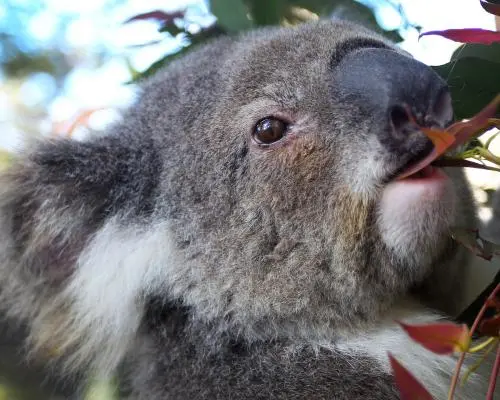
Wildlife hospitals along Australia’s east coast report a surge in koalas showing brown patches on their hindquarters, a sign of urinary incontinence, and red, watery eyes, symptoms of chlamydia. Researchers from Queensland announced this week that a recently published study on the newly approved chlamydia vaccine contains a critical error that may have overstated its effectiveness.
The vaccine, rolled out in early 2024, was hailed as a breakthrough for the endangered marsupial, which suffers high mortality from chlamydial infections. The Queensland team re‑examined the original data and found a miscalculation in the infection‑rate reduction figure. Instead of the claimed 80 % drop in disease prevalence, the corrected analysis suggests a modest 45 % improvement. The discrepancy stems from an incorrect baseline population estimate used in the statistical model.
Lead researcher Dr Emily Hart explained that the original study used a convenience sample of koalas rescued from urban areas, which are more likely to be infected. By applying the same infection rate to the broader, healthier wild population, the authors inflated the vaccine’s impact. „When we adjusted for the true prevalence across different habitats, the protective effect shrank dramatically,” Hart said. The revised figures still show benefit, but the gap between expectation and reality could affect funding and conservation strategies.
Can the Vaccine Still Save Koalas?
Despite the setback, experts argue the vaccine remains a valuable tool. Dr Mark Liu, a veterinary immunologist, noted that even a 45 % reduction can translate into thousands of lives saved each year, given the sheer number of koalas treated. „The vaccine isn’t a silver bullet, but it buys time for habitat restoration and other interventions,” Liu said. Ongoing trials are now incorporating larger, more diverse cohorts to verify efficacy across the species’ range. Conservation groups are urging policymakers to maintain support while the data are refined.
The controversy highlights the challenges of wildlife disease management, where limited sample sizes and variable field conditions can skew results. If the vaccine’s true efficacy is lower than first reported, conservation plans may need to pivot toward integrated approaches, combining vaccination with habitat protection, anti‑predator measures, and public education. Nonetheless, the corrected data provide a clearer picture for scientists and funders, ensuring resources are allocated based on realistic expectations.
Frequently Asked Questions
How many koalas have been vaccinated so far? Approximately 12,000 individuals have received the vaccine since its launch, primarily in Queensland and New South Wales wildlife hospitals.
Will the vaccine protect koalas from blindness? The vaccine reduces the overall bacterial load, which can lessen the risk of eye infections, but it does not guarantee complete protection against blindness.
What steps are being taken to improve future studies? Researchers are expanding sample sizes, using random sampling across habitats, and standardising diagnostic criteria to avoid the statistical errors identified in the earlier study.