Mimicking Nature's Blueprint
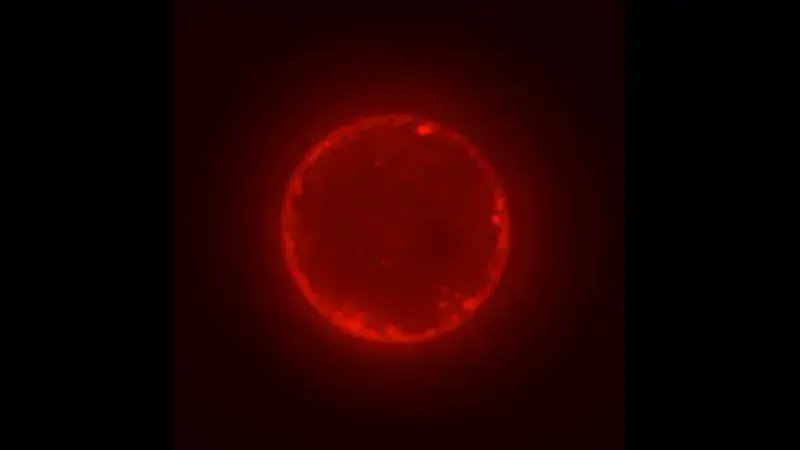
Scientists have developed artificial cells, dubbed SpudCells,that exhibit some characteristics of living organisms. These laboratory-made structures can grow and even divide, though they require human intervention. This development marks a significant step toward creating the first truly synthetic life forms.
The research team designed these cells to mimic fundamental biological processes. While not yet self-sufficient, their ability to replicate under controlled conditions offers new insights into the origins of life. This work could revolutionize our understanding of cellular biology.
The SpudCellsare constructed from basic chemical components. Researchers carefully assembled these parts to create a membrane-bound structure. This structure can then take in nutrients and expand, much like a natural cell.
How Do SpudCells Differ from Real Cells?
The division process is currently guided by external forces. Scientists must manipulate the environment to prompt the cells to split. This controlled division is a crucial hurdle in achieving fully autonomous synthetic life.
Real cells possess complex internal machinery for self-replication and metabolism. They can independently grow, repair themselves, and respond to their environment. SpudCells, in contrast, lack this inherent autonomy.
They require constant input and guidance from researchers. Their current capabilities are limited to growth and division under specific, engineered conditions. The ultimate goal is to bridge this gap.
This research opens new avenues for understanding life's fundamental building blocks. It could lead to breakthroughs in medicine, biotechnology, and even the search for extraterrestrial life. The journey toward synthetic life continues, with SpudCells paving the way.
Frequently Asked Questions
What are SpudCells made of? SpudCells are constructed from basic chemical components. These components are carefully assembled to form a membrane-bound structure that can mimic some cellular functions.
Can SpudCells reproduce on their own? No, SpudCells cannot reproduce autonomously. While they can grow and divide, this process currently requires direct intervention and guidance from scientists in a laboratory setting.
What is the significance of SpudCells? SpudCells represent a significant step in synthetic biology. They demonstrate the possibility of creating artificial structures that exhibit life-like properties, advancing the goal of creating synthetic life.