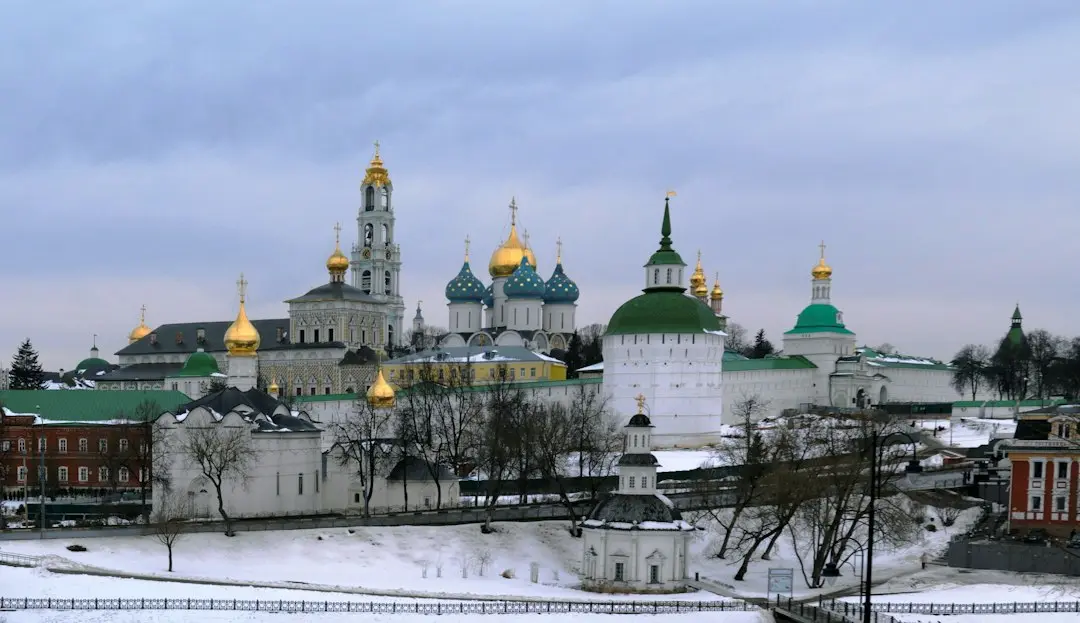
The Daily Burden of Hostile Monitoring
Western diplomats stationed in Moscow are navigating an increasingly hostile environment that mirrors the darkest days of the Cold War. Since the full-scale invasion of Ukraine, officials from the US, UK, and Europe report living under constant state surveillance, isolation, and paranoia. Their roles have shifted from bridge-builders to targets of state-sanctioned suspicion.
Former US Ambassador Lynne Tracy, who served in Moscow from 2023 through 2025, described the post as the most grueling assignment of her professional career. Once vital intermediaries for de-escalating international crises, these diplomats are now officially labeled as representatives of unfriendlynations by the Russian government.
The atmosphere within diplomatic compounds has become suffocating. Security services maintain a near-constant presence, tracking movements and monitoring communications with invasive precision. This environment has effectively severed the traditional ties that once allowed for quiet diplomacy between Moscow and the West.
Is Meaningful Diplomacy Still Possible?
Officials describe a life of extreme caution where every interaction is scrutinized. The days of open dialogue and cultural exchange have been replaced by a rigid, defensive posture. Diplomats must now operate with the assumption that their private conversations are being recorded and their personal security is perpetually at risk.
The breakdown in relations has left little room for the diplomatic maneuvers that previously prevented global escalation. With channels of communication largely frozen, the risk of miscalculation between nuclear powers has reached a modern peak. The diplomatic community remains in a state of suspended animation, waiting for shifts in a landscape that shows no signs of thawing.
Frequently Asked Questions
The long-term impact of this isolation is profound. As the Kremlin continues to frame Western presence as a threat, the remaining diplomats serve more as symbols of defiance than as active negotiators. The future of these missions remains uncertain as the geopolitical divide continues to widen.
What defines the current environment for Western diplomats in Moscow? They face constant surveillance, severe movement restrictions, and a hostile political climate. These conditions have effectively ended their traditional role as intermediaries.
Why has the diplomatic relationship deteriorated so drastically? The Russian government has officially designated Western nations as unfriendlyfollowing the invasion of Ukraine. This shift has turned diplomatic missions into targets for state-level suspicion and isolation.