Ash Clouds and Demographic Collapse
A new international study led by Lund University examines what happened to population levels after the Kikai-Akahoya volcanic eruption in prehistoric Japan. The results paint a more complex picture than what had previously been believed. The paper is published in the journal Geology.
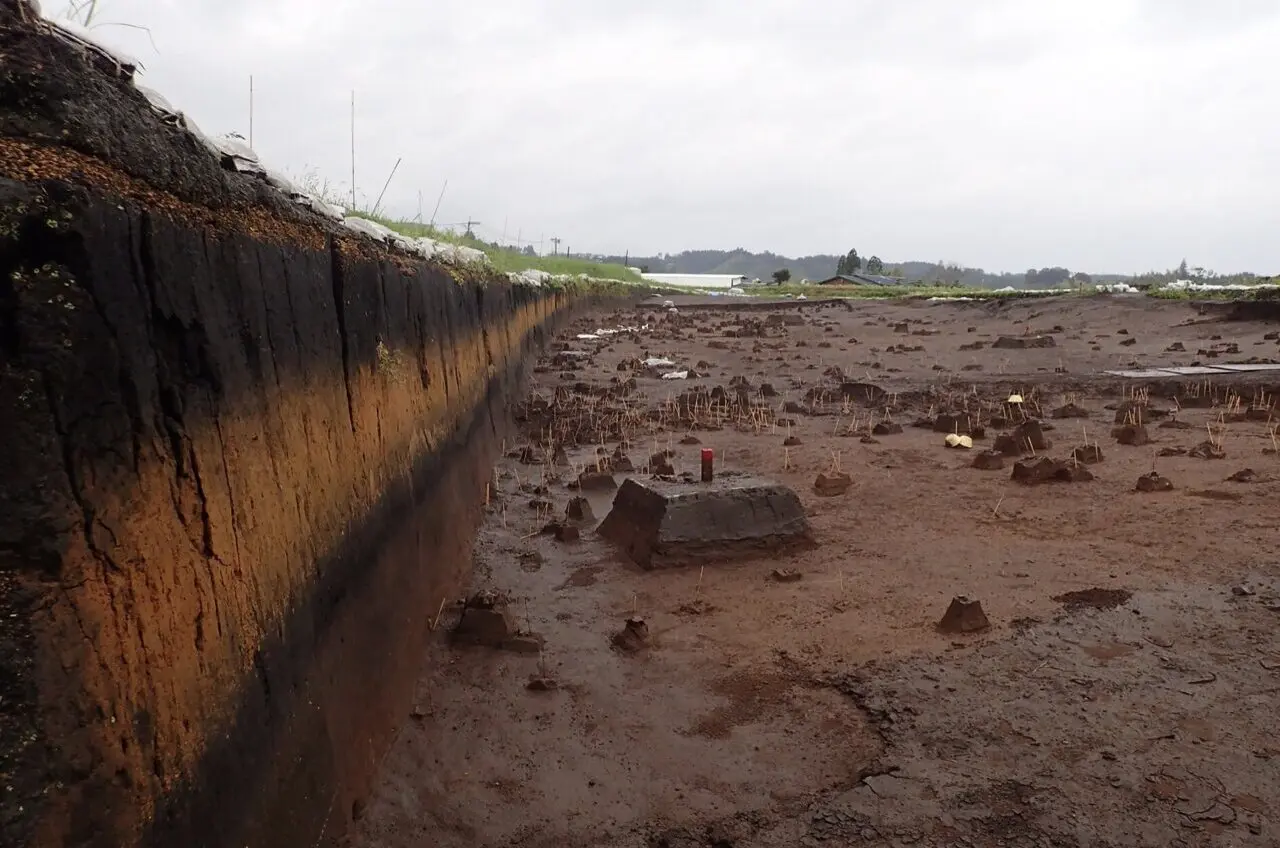
The Kikai-Akahoya eruption was one of the most destructive volcanic events in Earth's history. It occurred in what is now Kagoshima Prefecture. The eruption sent ash clouds across the region. Researchers used geological and archaeological data to track demographic changes.
The study found that population levels dropped sharply in the immediate aftermath. Communities lost agricultural land under layers of volcanic ash. Water sources became contaminated. Survivors faced food shortages and displacement. The research shows that recovery was not uniform across different regions.
Did the Eruption Trigger a Cultural Shift?
The findings suggest that the disaster forced prehistoric Japanese societies to adapt. New settlement patterns emerged as people moved to higher ground. Tool technologies changed to suit the new environment. The eruption may have accelerated the transition from hunter-gatherer groups to early agricultural communities.
The study highlights how natural disasters can reshape human civilizations. It challenges older theories that assumed a simple, linear recovery. The data indicates that some communities collapsed while others adapted and thrived. This nuanced view helps us understand how ancient societies survived one of Earth's worst volcanic disasters.
Frequently Asked Questions
How large was the Kikai-Akahoya eruption? The eruption was classified as a VEI-5 event. It produced a massive ash cloud that blanketed large parts of western Japan. The volume of material ejected was comparable to other major historical eruptions.
What evidence did researchers use to track population changes? The team analyzed sediment cores, pottery shards, and settlement sites. These materials preserved in volcanic layers provided a timeline of human activity. Changes in artifact density indicated where people lived before and after the blast.
When was the study published? The paper appeared in the journal Geology. It represents a collaborative effort involving multiple international institutions. The research offers new insights into prehistoric Japanese demographics.