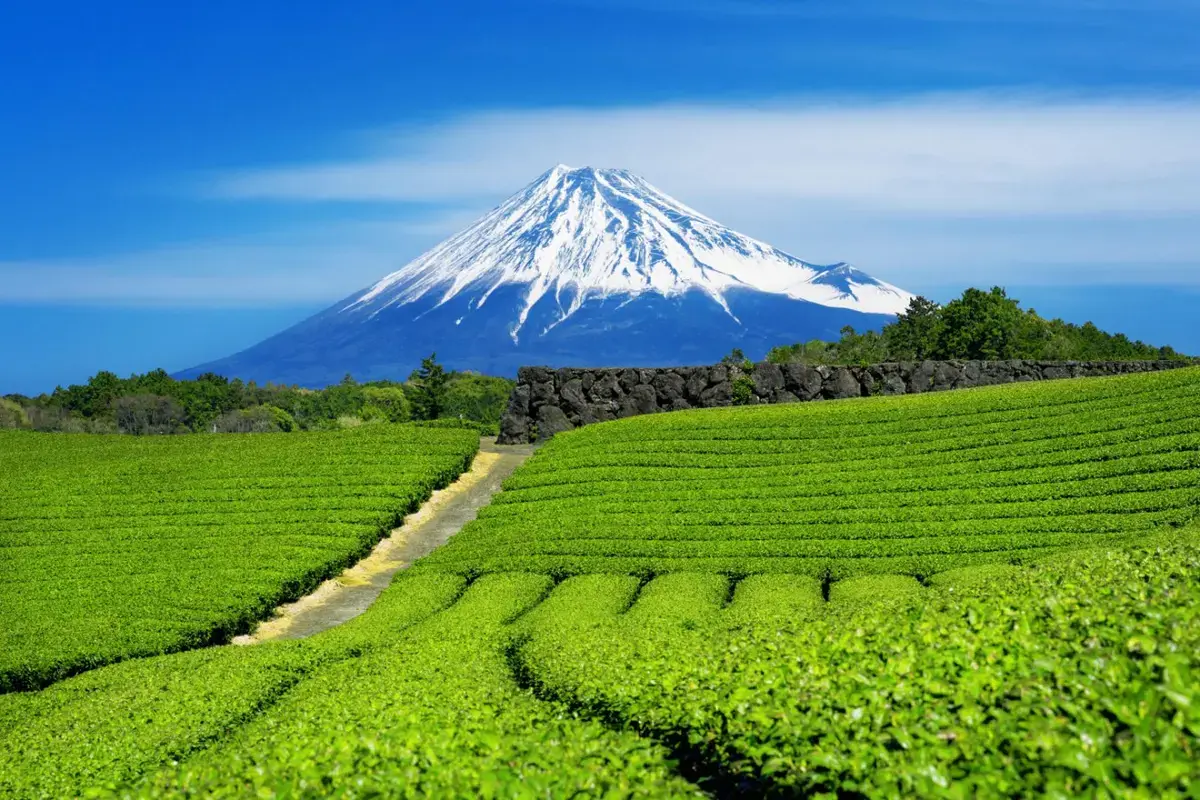
Genomic Research for Climate Resilience
Climate change is severely impacting matcha, a traditional Japanese tea. Both the amount of tea produced and its unique flavor are suffering. Scientists are now investigating the genetic makeup of matcha seedlings. They hope to find varieties that can withstand higher temperatures. This research could secure the future of this important crop.
Matcha is a finely ground powder of specially grown and processed green tea leaves. It is central to Japanese culture and increasingly popular worldwide. The delicate tea plants are highly sensitive to environmental changes. Rising global temperatures are proving particularly damaging to their growth and quality.
Researchers are focusing on the genetic tolerance of matcha plants to heat. By studying the DNA of various seedlings, they aim to identify specific genes. These genes might be responsible for a plant's ability to thrive in warmer conditions. This genetic information could then be used to breed more resilient tea plants. Such an approach offers a long-term strategy for adaptation.
How Will This Affect Matcha's Future?
The goal is to develop new matcha varieties that maintain their traditional taste and yield. This must happen even as the climate continues to shift. This scientific effort is crucial for the tea industry in Japan. It also has implications for other delicate agricultural products globally.
The success of this genomic research could be a game-changer. It could ensure that matcha remains available and affordable. Without intervention, prices could rise sharply due to scarcity. The distinctive flavor profile of matcha could also change. This research aims to preserve both the quantity and quality of this beloved beverage.
The project highlights the broader challenge of climate change on agriculture. It shows how scientific innovation can help protect traditional crops. The future of matcha, and potentially many other foods, depends on such adaptive strategies.
Frequently Asked Questions
What is matcha? Matcha is a finely ground powder made from specially cultivated and processed green tea leaves. It is known for its vibrant green color and distinct flavor, often used in traditional Japanese tea ceremonies.
Why is climate change a threat to matcha? Climate change, particularly rising temperatures, negatively affects both the yield and the delicate flavor profile of matcha tea plants. These plants are very sensitive to environmental shifts.
How can genomics help protect matcha? Genomics involves studying the genetic material of matcha seedlings to identify genes that provide heat tolerance. This information can then be used to breed new, more resilient tea plant varieties that can withstand warmer climates.