Smell and Science: A Local Crisis
Residents of rural villages on Istanbul’s outskirts face a persistent, foul odor that forces them to keep windows closed even in summer heat. The source is the massive Silivri municipal waste dump, located just a few miles away. This site hosts the United Nations Climate Change Conference, known as COP31. The irony is stark: a venue demanding global emission cuts is itself a major polluter.
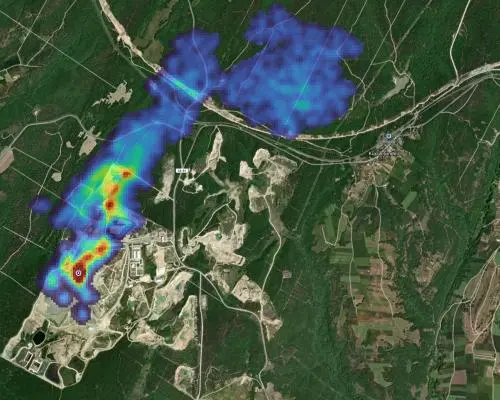
The smell arrives two or three nights every week. It is so potent that it disrupts daily life for nearby communities. Villagers have endured this nuisance for years without resolution. They identify the waste dump as the culprit. The facility generates significant methane emissions. These gases are potent greenhouse contributors. The location was chosen for the high-level climate summit. Leaders from around the world will gather there. They will discuss strategies to reduce global warming gases. Yet, the host site emits substantial carbon footprints.
The situation highlights a contradiction in climate diplomacy. The summit aims to address global heating. However, the physical venue contributes to the problem. Methane is a powerful driver of climate change. It traps heat far more effectively than carbon dioxide. The leaks from Silivri are not minor. They represent a significant environmental failure. Residents report that the odor is unbearable. It affects their health and quality of life. They have complained for years. Local authorities have failed to provide adequate solutions. The waste dump continues to operate. It processes large volumes of municipal trash. The decomposition process releases methane into the atmosphere. This local issue has global implications. It undermines the credibility of the host nation.
Can a Polluting Site Host a Green Summit?
Critics question the choice of venue. Hosting a climate conference at a major waste site sends a mixed message. It suggests a lack of alignment between goals and actions. The Turkish government selected Silivri for logistical reasons. The city needed a large, accessible space. However, the environmental cost was overlooked. Scientists warn that methane leaks accelerate warming. They call for immediate mitigation efforts. The summit provides a platform for such discussions. Delegates may address the issue. Or they may ignore it. The attention could force action. International observers will watch closely. They expect transparency. The host must demonstrate commitment. This means reducing emissions at the source. It also means protecting local residents. The contrast is difficult to ignore. A place demanding global cuts while leaking gas locally.
The outcome of COP31 will be judged on actions, not just words. The methane leaks at Silivri serve as a reminder. Climate change is a tangible, immediate threat. It is not just a distant statistical projection. It is a smell that keeps people awake. It is a health risk for vulnerable communities. The summit must address these realities. Future venues must be chosen with environmental care. The world is watching. The stakes are high. Every ton of methane matters. The path forward requires consistency. Leaders must align their venues with their values. Only then can they claim moral authority. The residents of Istanbul’s outskirts hope for change. They want clean air. They want their complaints heard. The summit offers a rare opportunity. It could turn local frustration into global policy. The time for excuses is over. Action is required now.
Frequently Asked Questions
Why do residents keep windows closed in summer? The intense smell from the nearby waste dump is unbearable. It forces them to seal their homes to avoid the odor. This happens despite high temperatures.
What gas is leaking from the Silivri dump? Methane is the primary gas released. It comes from decomposing municipal waste. Methane is a potent greenhouse gas.
How often does the smell occur? Residents report the smell arrives two or three nights per week. It has been a persistent issue for years.