How Does It Work?
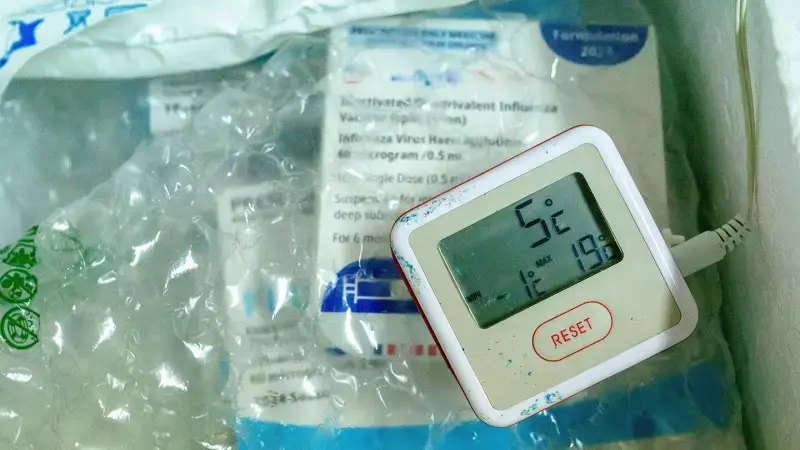
A groundbreaking experimental vaccine designed to protect against tetanus and diphtheria has shown promising results. This vaccine can remain stable at temperatures up to 30° Celsius for an entire year. Researchers conducted initial tests to assess its viability without refrigeration, which is crucial for distribution, especially in low-resource settings.
The innovative formulation addresses a significant challenge in vaccine storage and transport. Traditional vaccines often require strict temperature controls, complicating logistics in remote areas. The new vaccine's ability to withstand higher temperatures could improve access to immunizations in regions lacking adequate refrigeration facilities. This advancement may lead to increased vaccination rates in vulnerable populations.
The experimental vaccine employs a unique stabilization method that preserves its effectiveness at elevated temperatures. Researchers have focused on ensuring that the vaccine maintains its potency despite environmental fluctuations. In preliminary studies, the vaccine demonstrated its capability to trigger a robust immune response, similar to conventional refrigerated vaccines.
Will This Change Vaccine Distribution?
The implications of this development are profound. By eliminating the need for refrigeration, health organizations can simplify the distribution process and reach more individuals. This is particularly important in developing countries where access to cold storage can be limited.
Experts believe that this vaccine could revolutionize immunization efforts worldwide. The potential to deliver vaccines without the constraints of refrigeration could lead to significant public health improvements. In areas where diseases like tetanus and diphtheria remain prevalent, this innovation could save countless lives.
As the research progresses, further studies will be essential to confirm the vaccine's long-term efficacy and safety. The scientific community is optimistic, as successful trials could pave the way for broader applications in other vaccines that also require cold storage.
The outlook for this experimental vaccine is promising. If proven effective, it could transform immunization strategies, particularly in regions with limited healthcare infrastructure. This advancement might ultimately lead to a decrease in preventable diseases and enhance global health outcomes.
Frequently Asked Questions
What diseases does the vaccine target? The experimental vaccine is designed to protect against tetanus and diphtheria, two serious bacterial infections.
How long can the vaccine remain stable without refrigeration? The vaccine has shown stability for up to one year at temperatures of 30° Celsius, making it suitable for warmer climates.
What are the next steps for this vaccine? Further clinical trials are needed to assess its long-term safety and effectiveness before it can be widely distributed.