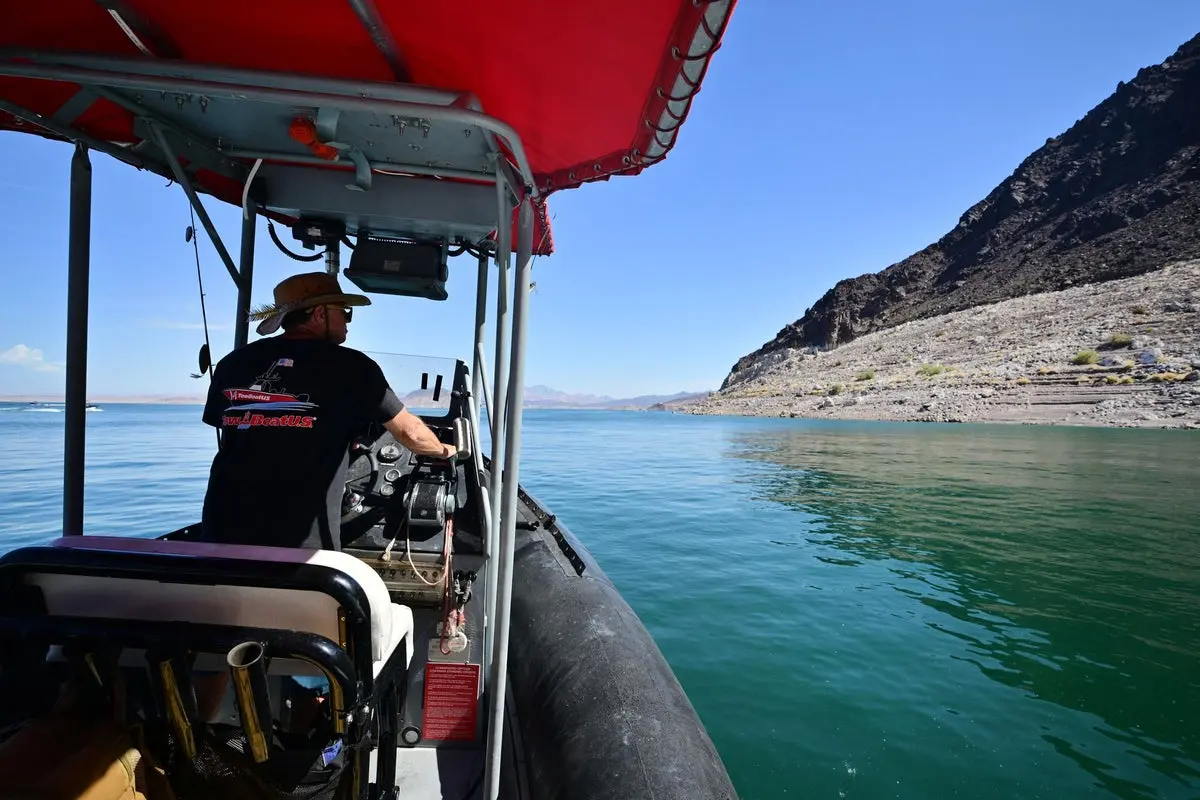
Experts stress that protecting these waterways requires restoring natural flow, reducing pollution
Three-quarters of US rivers could lose their biodiversity due to climate change, according to a new conservation study released Friday. Researchers analyzed river systems nationwide to identify which waterways face the greatest threats from rising temperatures and altered flow patterns. The findings aim to guide federal and state efforts to protect aquatic ecosystems before irreversible damage occurs. The study was published by a team of environmental scientists based in New York. The map uses satellite data and climate models to pinpoint rivers where species like fish, insects, and plants are most vulnerable to habitat loss. Conservationists say that without intervention, many rivers could see drastic declines in native biodiversity within decades. Priority areas include the Colorado River basin, parts of the Southeast, and several rivers in the Pacific Northwest.
Experts stress that protecting these waterways requires restoring natural flow, reducing pollution, and reconnecting fragmented habitats. Which rivers are most at risk from warming waters? The Colorado River system ranks highest in vulnerability due to prolonged drought and increasing water demand for agriculture and cities. In the Southeast, rivers like the Apalachicola and Coosa face threats from rising temperatures that reduce oxygen levels and favor invasive species. Pacific Northwest rivers such as the Snake and Columbia are seeing shifts in snowmelt timing, disrupting spawning cycles for salmon and trout. Scientists note that even small temperature changes can alter entire food webs in these ecosystems. Can restoring natural flow help save river biodiversity? Yes, researchers say restoring natural flow patterns is one of the most effective ways to buffer rivers against climate impacts.
This includes removing outdated dams, managing water releases to mimic seasonal cycles
This includes removing outdated dams, managing water releases to mimic seasonal cycles, and protecting floodplains that absorb excess water. Pilot projects in the Midwest have shown that reconnected floodplains support greater fish diversity and improve water quality. Conservation groups urge policymakers to prioritize funding for such restoration efforts in the most vulnerable river basins. Frequently Asked Questions What percentage of US rivers could lose biodiversity due to climate change? Three-quarters of US rivers could lose their biodiversity if current climate trends continue without intervention, according to the study. Which regions are identified as highest priority for river protection? The Colorado River basin, Southeastern rivers like the Apalachicola and Coosa, and Pacific Northwest systems including the Snake and Columbia are top priorities. What actions do experts recommend to protect vulnerable rivers?
Experts recommend restoring natural water flow, removing barriers like dams, reducing pollution, and reconnecting rivers with their floodplains to enhance resilience.