How digestion delay and muscle relaxation create a dangerous mix
Researchers in the United Kingdom have found that patients taking medications similar to Ozempic face a significantly higher risk of vomiting during general anesthesia. The study, published in September 2026, highlights a dangerous interaction between these drugs and anesthetic agents. The findings suggest that preoperative screening for such medications should be strengthened to prevent complications.
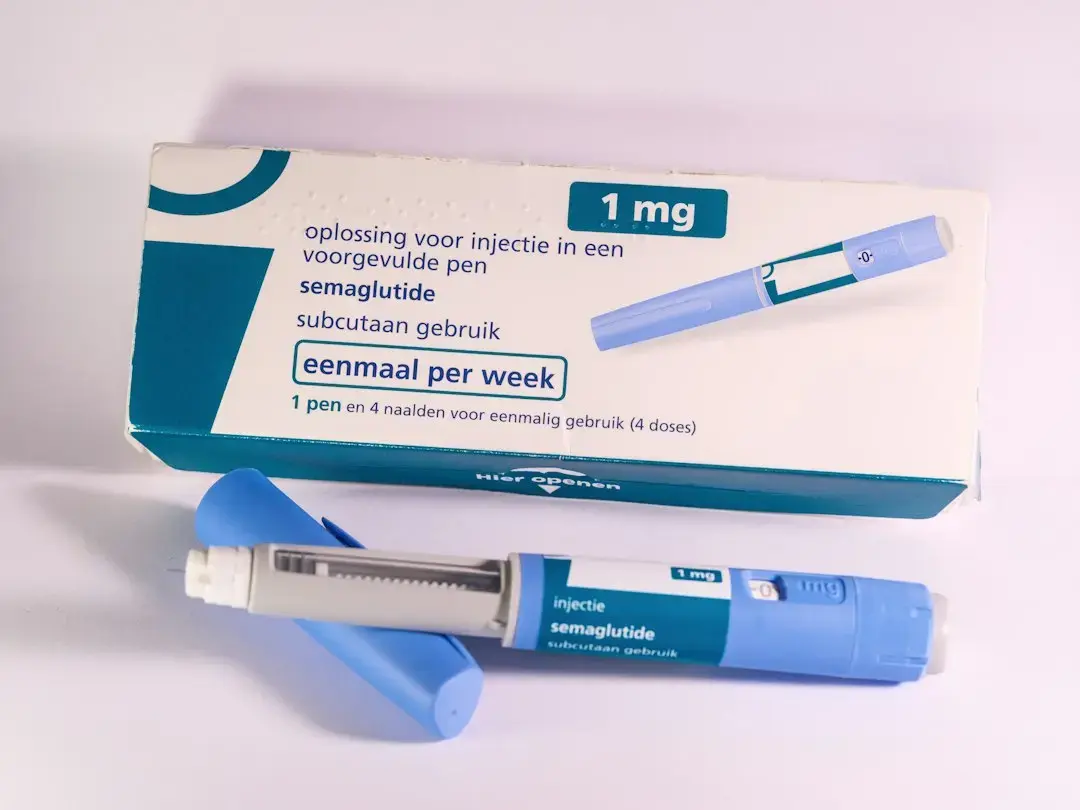
These drugs, which include semaglutide-based treatments for diabetes and obesity, work by slowing digestion and relaxing certain muscles in the body. While effective for managing blood sugar and weight, these effects can interfere with normal protective reflexes during anesthesia. When combined with anesthetic agents that also suppress muscle activity, the risk of pulmonary aspiration—where stomach contents enter the lungs—rises dramatically.
What should patients and doctors do before surgery?
The research team analyzed data from over 12,000 surgical procedures involving patients using glucagon-like peptide-1 (GLP-1) receptor agonists. They found that vomiting occurred 11 times more frequently in this group compared to those not taking the drugs. The slowed gastric emptying means food stays in the stomach longer, increasing the volume and pressure that could be regurgitated. At the same time, the drugs’ effect on smooth muscle reduces the tone of the lower esophageal sphincter, making it easier for stomach contents to rise.
Experts recommend that patients taking Ozempic-like medications inform their anesthesiologist well in advance of any procedure requiring general anesthesia. Current guidelines suggest holding the medication for several days before surgery, though the exact duration may vary based on the specific drug and patient factors. Anesthesiologists may also adjust their approach, such as using rapid-sequence induction techniques to minimize aspiration risk.
How long before surgery should Ozempic-like drugs be stopped? Patients should typically discontinue these medications at least one week before surgery, but the exact timing should be determined by their healthcare provider based on the specific drug and individual health factors.
Frequently Asked Questions
Can these drugs be safely resumed after surgery? Yes, in most cases, patients can restart their medication after surgery once they are able to tolerate oral intake and their gastrointestinal function has returned to normal, as advised by their doctor.
Are all GLP-1 receptor agonists associated with this risk? The study indicates that the increased vomiting risk applies broadly to drugs in this class, including semaglutide, liraglutide, and similar agents, due to their shared mechanisms of action on digestion and muscle tone.