Why the Silence Matters More Than the Death
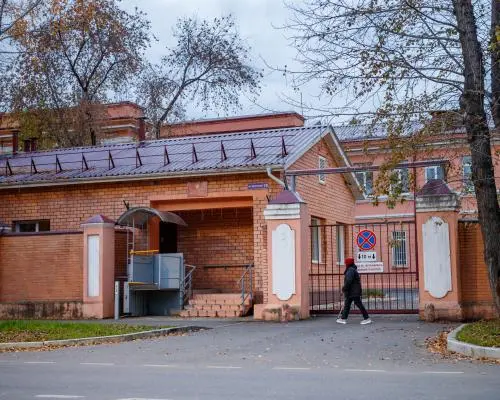
A worker died at a plague research institute in Siberia, prompting concerns about a potential outbreak. The silence from Russian authorities has drawn international attention.
The lack of transparency is the primary concern. Six years after the global pandemic, the World Health Organization still lacks a binding pandemic agreement. This gap leaves the world vulnerable to the next major health crisis.
Dr. Darren Mann responded to a recent editorial on the Siberian incident. He argues that the real danger is not the plague itself, but the absence of clear communication. When a death occurs at a research facility, the public deserves prompt, accurate information.
Is the World Ready for the Next Pandemic?
The delay in the WHO pandemic agreement compounds this problem. Without a unified global framework, countries act in isolation. This fragmentation slows response times and increases the risk of a wider outbreak.
The current situation highlights a critical weakness in global health governance. The WHO agreement, which should have been finalized years ago, remains stuck in negotiations. This delay means no single body can coordinate a rapid, coordinated response to a new pathogen.
Russia's opacity makes the problem worse. Without clear data on the Siberian case, international health agencies cannot assess the true scale of the risk. This uncertainty could lead to underestimating the threat.
The consequence of this inaction is a world less prepared for the next pandemic. If a new virus emerges, the lack of a global agreement will likely result in a slower, less effective response. The Siberian plague incident serves as a stark reminder of what is at stake.
Frequently Asked Questions
Why is the WHO pandemic agreement important? It would create a binding framework for global health response. This would allow faster coordination and resource sharing during a crisis.
What is the current status of the Siberian case? A worker died at a plague research institute. Russian authorities have provided limited information, which has raised international concern.
How does the delay in the agreement affect readiness? It leaves countries without a unified plan. This increases the risk of a fragmented and slower response to a new pandemic.