Why the coral reefs are at risk
Woodside Energy plans to drill for natural gas off the north-west coast of Western Australia. The state’s independent environmental watchdog warns the project could severely damage exceptional coral reefs. It also flags a significant risk of an oil spill that may be impossible to bring down to an acceptable level.
The Environmental Protection Authority (EPA) reviewed the proposal and issued a draft letter outlining its concerns. The agency identified the coral reefs as ecologically exceptional. It also highlighted the vulnerability of local whale populations to a potential hydrocarbon release.
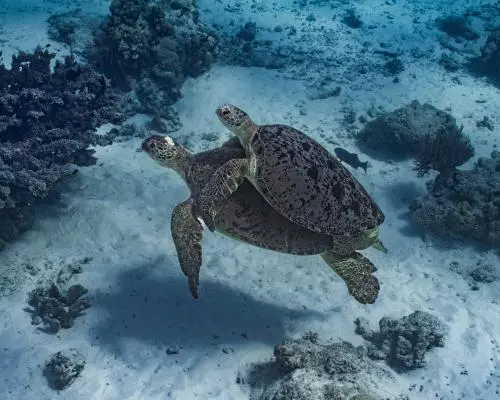
The reefs targeted by the drilling site are described as exceptional in biodiversity and structure. Drilling operations involve seabed disturbance, noise, and chemical dispersants. These factors can smother coral polyps and disrupt marine life. The EPA concluded that mitigation measures may not fully offset the damage.
Can the oil spill risk be reduced enough?
The EPA’s draft advice states that reducing the probability of an oil spill to an acceptable level may be impossible. This assessment is based on the depth of the drilling site and the complexity of the subsurface geology. The agency recommends additional studies before approval.
Woodside must respond to the EPA’s findings before the project can proceed. The company may need to revise its environmental management plan. If the spill risk cannot be lowered, the project could face delays or rejection. Local conservation groups are already mobilizing to protect the reefs and whale habitats. Frequently Asked Questions
What happens next
What is the EPA’s main concern with the Woodside gas project? The EPA is concerned about damage to exceptional coral reefs and the high risk of an oil spill that may not be reducible to an acceptable level.
Which species are most at risk from the drilling? Endangered whale populations and the coral reef ecosystem are the primary species and habitats at risk.
Can the project still proceed? The project can proceed only if Woodside addresses the EPA’s concerns, potentially through revised mitigation plans or additional environmental studies.