Why Digital Replicas Matter for Biology
The Arc Institute has announced the winners of its annual competition to advance science behind a virtual cell. This initiative aims to create a digital replica of biological systems. Researchers hope to simulate cellular processes with unprecedented accuracy. The goal is to bridge the gap between physical experiments and computational models.
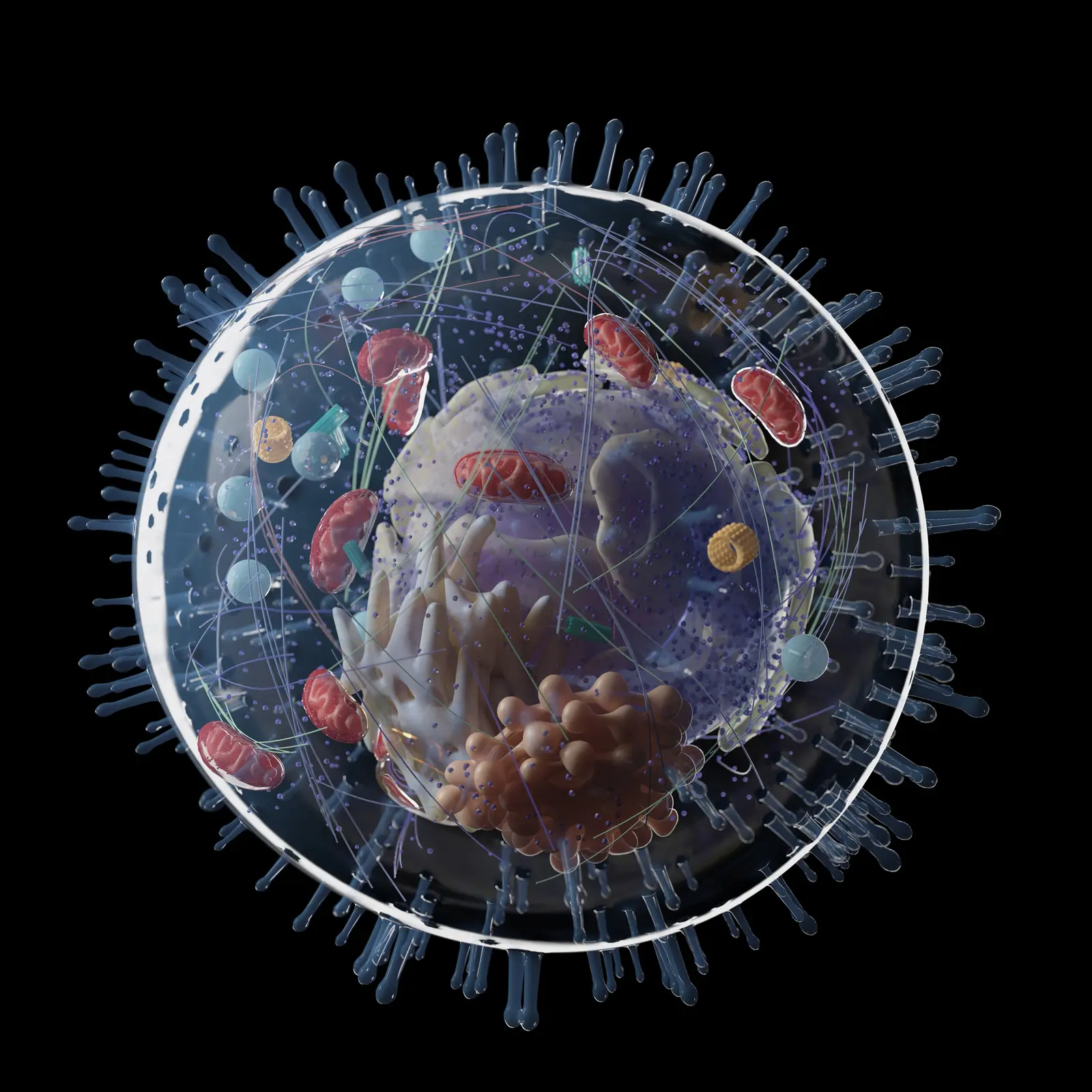
A single cell contains billions of interlocking molecules. Their intricate patterns determine health and disease states. Biologists traditionally study these mechanisms in laboratory settings. However, recent technological advances have shifted focus toward digital simulation. A virtual cellwould be a computer model closely resembling reality. Scientists could then run complex experiments entirely within software environments. This approach promises faster insights into biological functions without physical constraints.
Creating a faithful digital twin of a cell requires immense detail. The model must capture molecular interactions accurately. Current limitations often stem from incomplete data on protein dynamics. The Arc Institute competition encourages teams to solve these specific challenges. Winners receive funding to refine their computational frameworks. This support accelerates the development of predictive biological tools. By simulating drug interactions digitally, researchers can identify potential treatments quicker. It reduces the need for time-consuming animal trials. The precision of these models allows for targeted interventions. Understanding cellular communication pathways becomes more accessible through simulation.
Can Computers Replace Lab Experiments?
The transition from wet labs to dry labs is not immediate. Physical validation remains crucial for verifying digital predictions. Yet, the potential benefits are significant for medical research. A virtual cell could predict how a patient responds to therapy. This personalizes medicine at the molecular level. The competition highlights the collaborative nature of this scientific frontier. Teams from diverse backgrounds contribute to the solution. They combine expertise in biology, physics, and computer science. The resulting models are becoming increasingly robust. They handle vast datasets of genomic and proteomic information. This integration enables a holistic view of cellular behavior.
The future of biology may rely heavily on these digital tools. As models improve, they will guide experimental design. Researchers can test hypotheses before touching a microscope. This efficiency could revolutionize how we understand life processes. The Arc Institute continues to champion this vision. It fosters innovation through competitive collaboration. The ultimate aim is a comprehensive map of human cell function. Such a resource would be invaluable for treating complex diseases. The journey from abstract code to biological insight is underway.
Frequently Asked Questions
What is a virtual cell? A virtual cell is a detailed computer model that mimics a real biological cell. It allows scientists to simulate molecular interactions and cellular processes digitally.
Who organizes the competition? The Arc Institute hosts the annual competition. It provides funding and resources to teams working on virtual cell technologies.
Why is this important for medicine? It enables faster drug testing and personalized treatment plans. Researchers can predict outcomes without extensive physical experimentation.