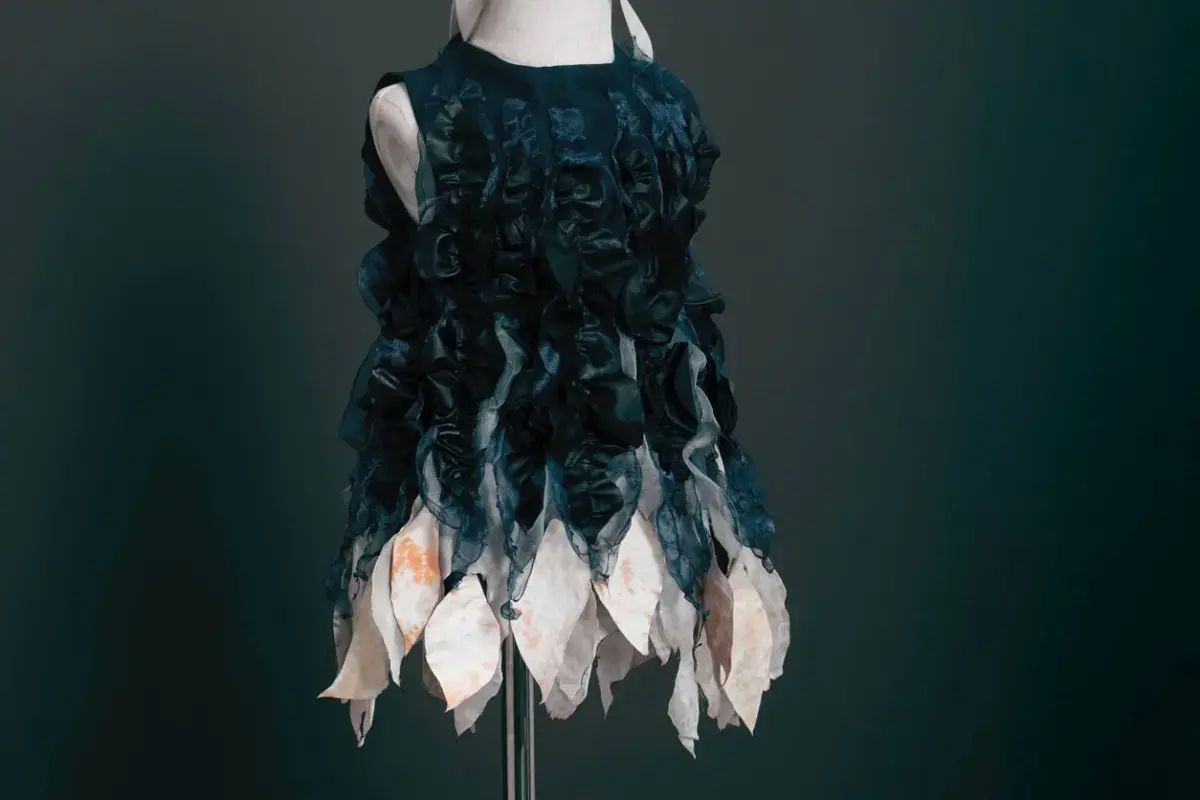
Fungal Fabric: A New Era in Material Science
Researchers have created a living textile made from the parasitic fungus Cordyceps militaris, capable of self-repair when damaged. The innovative material was developed using the fungus's unique properties. This breakthrough has significant implications for the textile industry.
The fungus, known for infecting caterpillars, is harmless to humans. Scientists have harnessed its ability to grow and repair itself, creating a sustainable and adaptive material. By integrating living organisms into fabric, the researchers have opened up new possibilities for textile production.
Can Fungal Fabric Replace Traditional Materials?
The Cordyceps militaris fungus is used to create a fabric that can regenerate and repair itself. This is achieved through the fungus's natural growth and branching processes. As the fungus grows, it forms a network of hyphae that can mend damaged areas.
The resulting fabric is not only self-healing but also biodegradable, reducing the environmental impact of textile production. This innovative material has the potential to transform the fashion industry, enabling the creation of sustainable, long-lasting clothing.
The use of living fungi in textile production raises questions about the scalability and durability of the material. While the initial results are promising, further research is needed to fully understand the properties and limitations of fungal fabric.
Frequently Asked Questions
As the technology continues to evolve, it is likely to have significant consequences for the textile industry. Self-healing fabrics could reduce waste and extend the lifespan of clothing, making fashion more sustainable.
Is the fungal fabric safe for human wear? Yes, the Cordyceps militaris fungus is harmless to humans. The fabric is designed to be worn as clothing, with the fungus remaining contained within the material. How long does the fabric take to repair itself? The repair time depends on factors such as the extent of the damage and environmental conditions. In ideal conditions, the fabric can repair itself within a few days. Can the fungal fabric be mass-produced? While the technology is still in its early stages, researchers are exploring ways to scale up production and make the material more widely available.