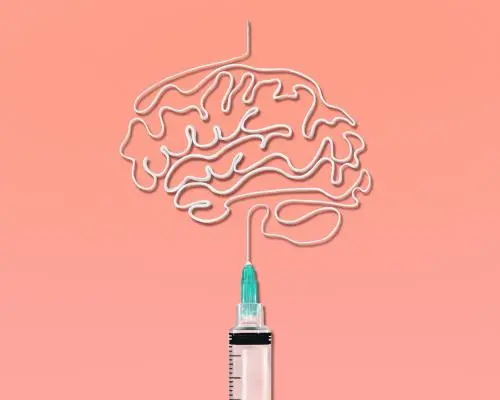
Immune Boosters and Brain Health: The Science Behind the Theory
Jenny, a 50‑year‑old marketing professional from Cambridge, received the shingles shot last year. She did so not only to avoid painful rashes but also because three of her four grandparents died from dementia. She hopes the vaccine could protect her brain as well as her skin.
Researchers are now investigating whether the shingles vaccine, originally designed to prevent herpes zoster, could also reduce the risk of cognitive decline. The vaccine triggers the immune system to fight the varicella‑zoster virus, which lies dormant after chickenpox and can reactivate as shingles. Some scientists suspect that the same immune response might keep the virus from inflaming the brain, a factor linked to dementia. Recent observational studies have shown a modest drop in dementia diagnoses among vaccinated seniors, prompting a surge in demand for the shot.
The hypothesis rests on the idea that chronic inflammation fuels neurodegeneration. When the varicella‑zoster virus reactivates, it can cause nerve pain and, in rare cases, spread to the central nervous system. By preventing reactivation, the vaccine may limit inflammatory attacks on brain tissue. Dr. Laura Mendes, a neurologist at the University of London, notes, „We are seeing a correlation between reduced shingles episodes and slower cognitive decline, but causation is still unproven.” Large‑scale trials are now being planned to test whether the vaccine directly lowers dementia rates, with researchers tracking thousands of participants over several years.
Could a Shingles Shot Really Delay Dementia Onset?
Skeptics ask whether a vaccine for a skin condition can truly influence brain health. Critics point out that existing data are largely retrospective and may reflect healthier lifestyles among vaccinated individuals. Nonetheless, the potential public‑health impact is significant. If a routine immunisation can shave years off the average onset of dementia, the savings in care costs and the improvement in quality of life would be enormous. Health ministries in the UK and Canada have already begun recommending the shingles vaccine for adults over 50, citing both its proven efficacy against shingles and the emerging evidence of broader benefits.
The growing interest has led pharmacies and clinics to stock more doses, and insurers are expanding coverage. For people like Jenny, the vaccine offers a proactive step amid limited options for preventing dementia. While scientists caution that the shot is not a cure‑all, the possibility of a dual‑purpose vaccine is generating optimism among patients and clinicians alike.
Frequently Asked Questions
Does the shingles vaccine guarantee protection against dementia? No. Current research shows an association, not a guarantee. The vaccine primarily prevents shingles; any cognitive benefit remains under investigation.
Who should consider getting the shingles vaccine? Adults aged 50 and older are advised to receive it, especially those with a family history of dementia or weakened immune systems.
Are there risks to receiving the shingles vaccine? Side effects are generally mild, such as soreness at the injection site or low‑grade fever. Serious reactions are rare, and the benefits outweigh the risks for most seniors.