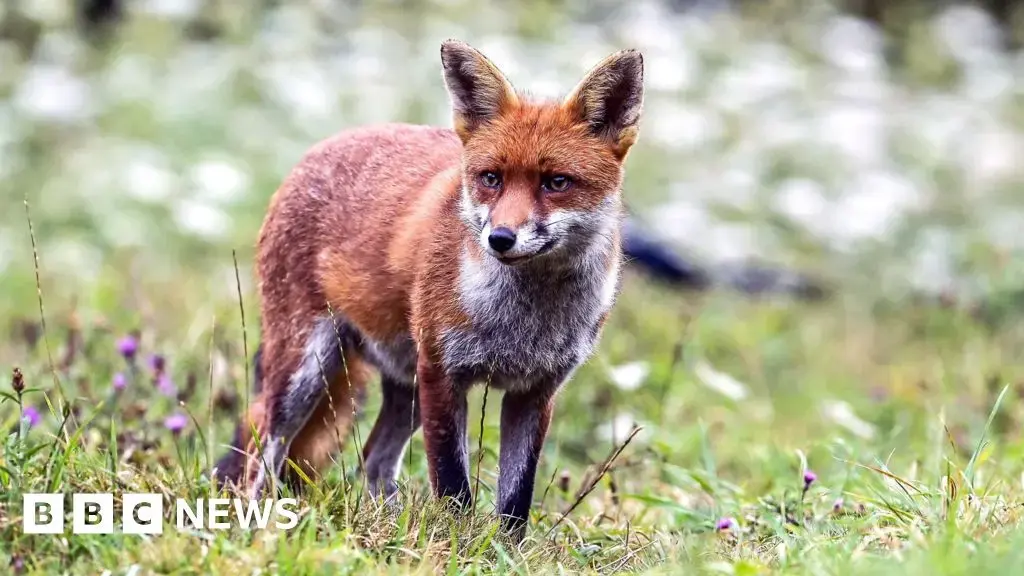
Closing the Data Gap on Common Species
The Somerset Wildlife Trust is calling on local residents to act as citizen scientists to monitor wildlife across the region. By documenting sightings of various species, volunteers will fill critical gaps in existing environmental data. This initiative aims to improve conservation strategies for animals living throughout the county starting this month.
The charity currently lacks comprehensive information regarding many common species found in backyards and local parks. Experts emphasize that without accurate population counts, it is difficult to determine which animals require urgent protection or habitat restoration. Residents are encouraged to report sightings of everyday creatures to help build a more precise map of regional biodiversity.
How Can Your Backyard Observations Help?
Reliable records are essential for effective wildlife management, yet the trust reports significant missing data for familiar animals. Species such as foxes and snails are often overlooked by casual observers, despite their vital roles in the local ecosystem. By systematically recording these encounters, the public provides researchers with the evidence needed to advocate for better environmental policies.
The process for contributing is designed to be accessible for people of all ages and technical abilities. Participants simply need to log their observations through the trust’s reporting platform, noting the location and type of animal seen. This crowdsourced approach allows conservationists to monitor trends in animal distribution that would otherwise be impossible to track on a large scale.
The long-term success of these conservation efforts depends entirely on the consistency of public participation. As more people contribute to the database, the trust can identify specific areas where wildlife is thriving or struggling. This information will ultimately guide future projects to protect essential habitats and ensure that local species continue to flourish in their natural environments.
Frequently Asked Questions
What kind of animals should I report to the trust? The charity is particularly interested in data regarding common species like foxes and snails. Any sightings of local wildlife contribute to a more complete understanding of the region's biodiversity.
Do I need special equipment to participate in this project? No professional gear is required to become a citizen scientist. You only need to observe your surroundings and submit the details of your findings through the official reporting system.