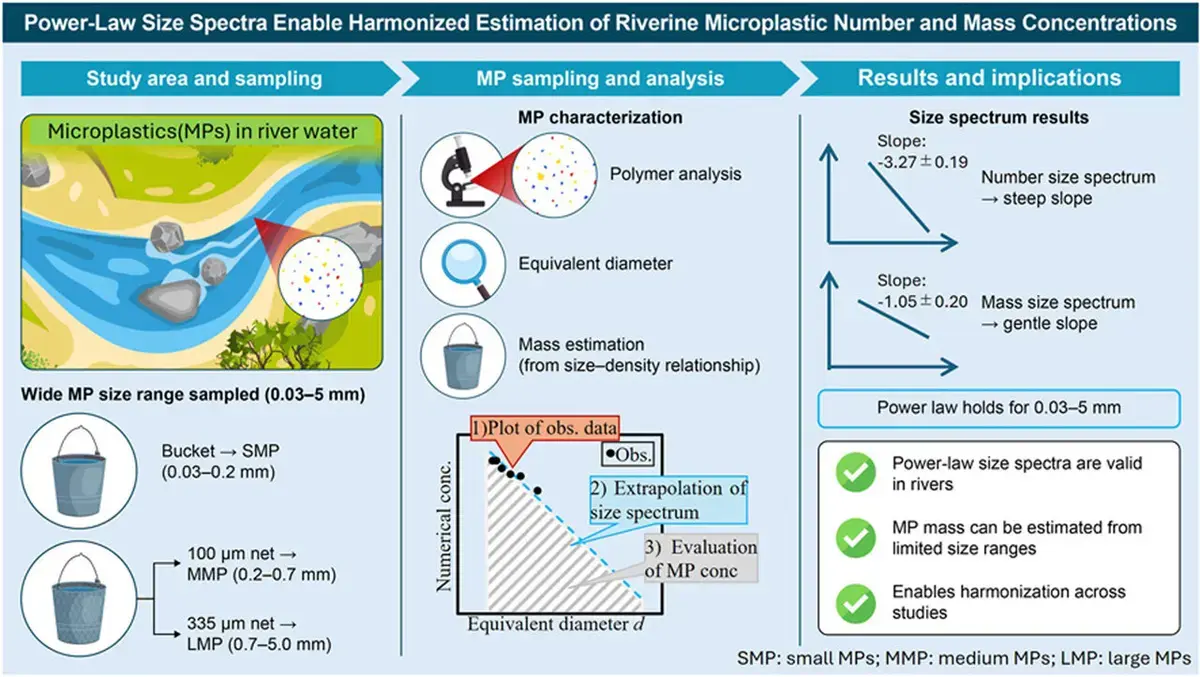
Tackling the Variability in Monitoring Methods
Tiny plastic fragments, known as microplastics, are everywhere in our rivers, harming the environment and wildlife. Researchers are now working to standardize the way we monitor these pollutants. The issue is global, with rivers playing a crucial role in transporting microplastics.
Microplastics, defined as plastic fragments smaller than 5 mm, have become a pervasive problem. They come from various sources, including the breakdown of larger plastic items and microbeads in personal care products. Rivers act as a conduit for microplastics, carrying them from land to sea.
Can We Trust the Data?
Different methods are used to monitor microplastics in rivers, making it challenging to compare data across studies. Researchers are now calling for standardized protocols to ensure accurate and reliable data. This would involve using consistent sampling techniques and analytical methods.
To achieve this, scientists are working together to develop a unified approach. They are examining the various factors that affect microplastic monitoring, such as water flow and sampling location. By understanding these factors, researchers can develop more effective monitoring strategies.
The accuracy of microplastic data is crucial for understanding the extent of the problem. Researchers are questioning the reliability of current data due to the variability in monitoring methods. Standardization is essential to build trust in the data and inform effective policies.
Frequently Asked Questions
The consequences of inaction could be severe, with microplastics continuing to harm aquatic life and potentially entering the food chain. Standardized monitoring is a crucial step towards mitigating this issue. By working together, researchers and policymakers can develop effective solutions to reduce microplastic pollution.
What are microplastics? Microplastics are tiny plastic fragments less than 5 mm in size. They come from various sources, including the breakdown of larger plastic items. Why is standardization important? Standardization ensures accurate and reliable data, allowing for effective policies to be developed. How can we reduce microplastic pollution? Reducing microplastic pollution requires a multi-faceted approach, including improving waste management and reducing plastic use.