How Camps Are Changing Their Operations
Summer camps across America are grappling with a harsh new climate. Extreme heat, wildfires, and severe flooding now threaten traditional camp experiences. Camps are adapting their long-standing traditions to keep campers safe. This shift is redefining the classic summer camp model.
Anna Ellena-Rosenau recalls idyllic summers at Mountain Meadow Ranch. Her grandfather founded the California camp 70 years ago. The Sierra Nevada Mountains once offered consistently mild weather. High temperatures were rare, occurring only once or twice per summer.
What Challenges Do Camps Now Face?
Campers used to gather around campfires in jeans and sweatshirts. Now, the heat often makes such attire impossible. Many camps are altering their daily schedules. Activities are moving indoors or to cooler parts of the day. Some camps are even installing air conditioning in cabins.
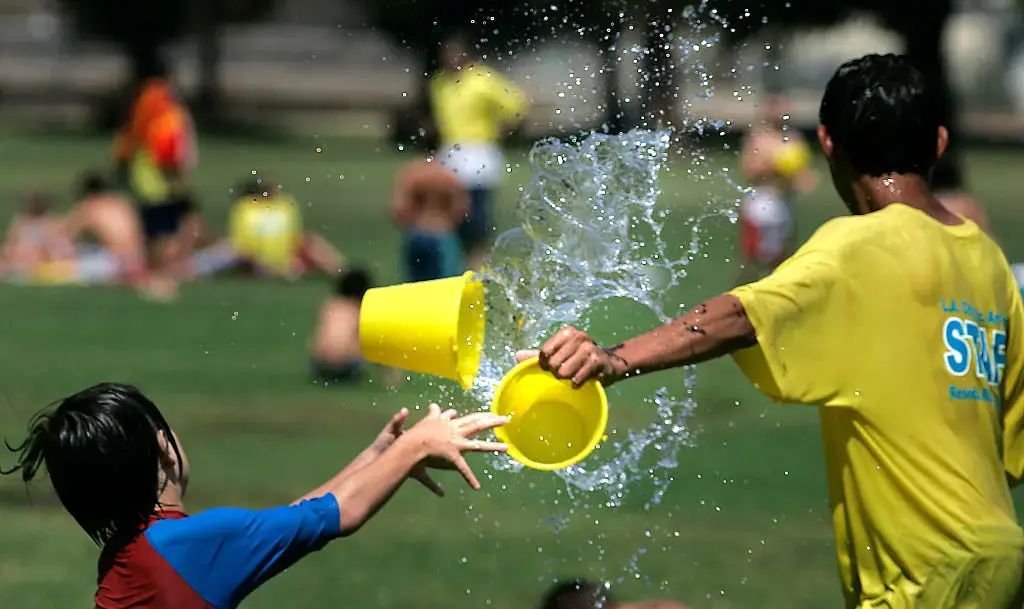
Water activities are becoming more crucial. Pools and lakes offer relief from the heat. Camps are also educating staff and campers about climate change. They are teaching about fire safety and emergency preparedness.
# How are daily schedules at camps changing?
The financial burden of these adaptations is significant. Camps must invest in new infrastructure and safety measures. This can increase tuition costs for families. Some smaller camps may struggle to afford these necessary changes. The unpredictable nature of extreme weather also makes planning difficult.
# What new safety measures are camps implementing?
Camps are also adjusting their menus. Lighter, more hydrating foods are replacing heavier meals. They are also focusing on water conservation efforts. The goal is to maintain the spirit of camp while ensuring safety. This new reality demands constant vigilance and innovation from camp directors.
Camps are moving outdoor activities to cooler morning or evening hours. They are also utilizing indoor spaces more frequently. This helps to avoid the most intense heat of the day.
# Are camps still able to offer traditional activities?
Camps are focusing on fire prevention and evacuation plans. They are also ensuring access to plenty of water and shade. Staff receive training on heatstroke prevention and emergency responses.
Many traditional activities are still offered, but with modifications. Campfires might be shorter or held earlier in the evening. Outdoor games are often adapted to be less strenuous in the heat.