Why Boulder Chose to Sue Oil Companies Directly
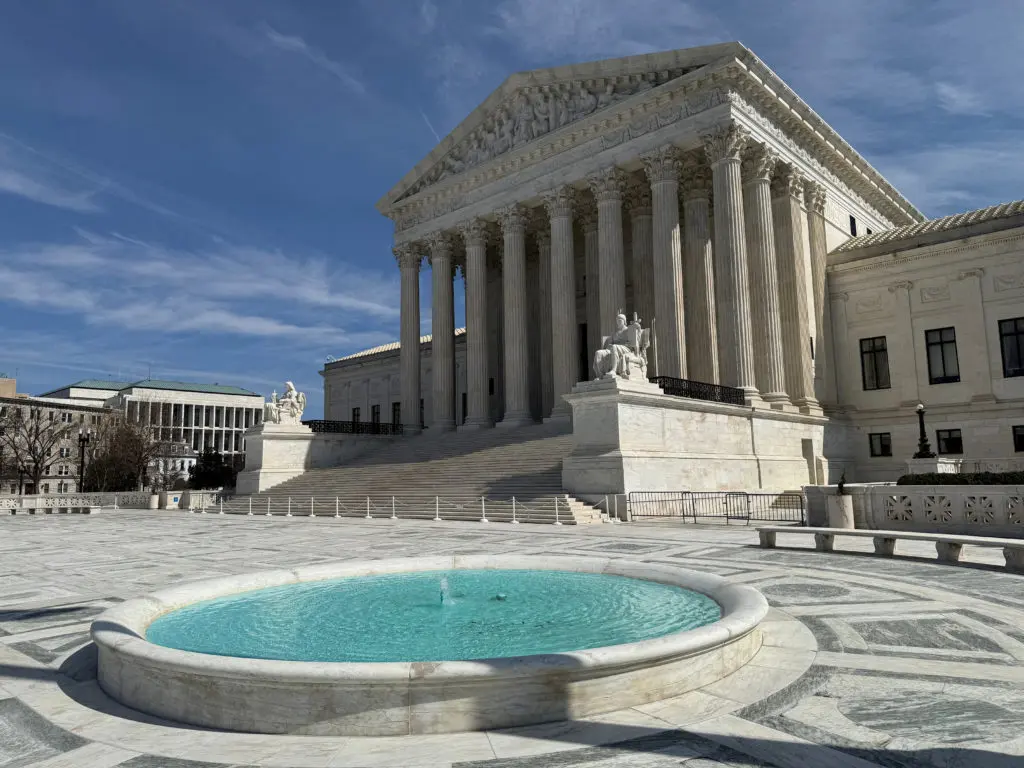
On Monday, the first day of the Supreme Court's new term, justices heard oral arguments in a case brought by the city of Boulder, Colorado, seeking compensation from major oil and gas companies for climate change-related harms. The lawsuit alleges that fossil fuel producers knowingly contributed to global warming and should pay for local damages like extreme weather and infrastructure strain. This marks one of the first times the nation's highest court has directly considered whether such claims can proceed under state law.
The case centers on whether Boulder's lawsuit, filed in state court, can move forward despite efforts by energy companies to transfer it to federal jurisdiction. Industry lawyers argue that climate policy is a national issue best handled by Congress and federal agencies, not state courts. Boulder's legal team counters that the city is seeking redress for specific, localized harms caused by emissions, not broad regulatory change. The justices appeared divided, with some expressing concern about opening the door to numerous similar lawsuits, while others questioned whether corporations should be shielded from accountability for known environmental impacts.
Could This Case Change How Climate Liability Is Handled?
Boulder officials say rising temperatures have intensified wildfire risks, strained water resources, and increased costs for cooling public buildings and repairing flood damage. The city points to internal industry documents showing that major fossil fuel companies understood the climate risks of their products decades ago but publicly downplayed them. This evidence, similar to tactics used in tobacco litigation, forms a core part of Boulder's argument that companies should bear financial responsibility for consequences they helped create. Legal experts note that a successful outcome could encourage other municipalities to pursue comparable actions.
A ruling in favor of Boulder would not automatically award damages but could allow the case to proceed to trial in state court, where evidence would be examined and liability potentially determined. Conversely, if the Supreme Court sides with fossil fuel companies and sends the case to federal court, it may effectively stall or dismiss the claim, as federal courts have been less receptive to such climate litigation. The decision could influence dozens of similar cases filed by cities, counties, and states across the country seeking to hold energy producers accountable for climate-related costs.
What specific damages is Boulder seeking? The city is asking for compensation to cover past and future costs related to climate impacts, including infrastructure upgrades, emergency response, and adaptation measures, though no exact dollar amount was specified during arguments.
Frequently Asked Questions
Why did fossil fuel companies want the case moved to federal court? They argue that climate change involves national and international policy questions that should be resolved by federal law and institutions, not state juries applying varying local laws.
Could a ruling against Boulder prevent other cities from suing? Not necessarily, but an unfavorable decision could create legal obstacles that discourage or delay similar lawsuits, depending on how broadly the Court interprets jurisdictional barriers.