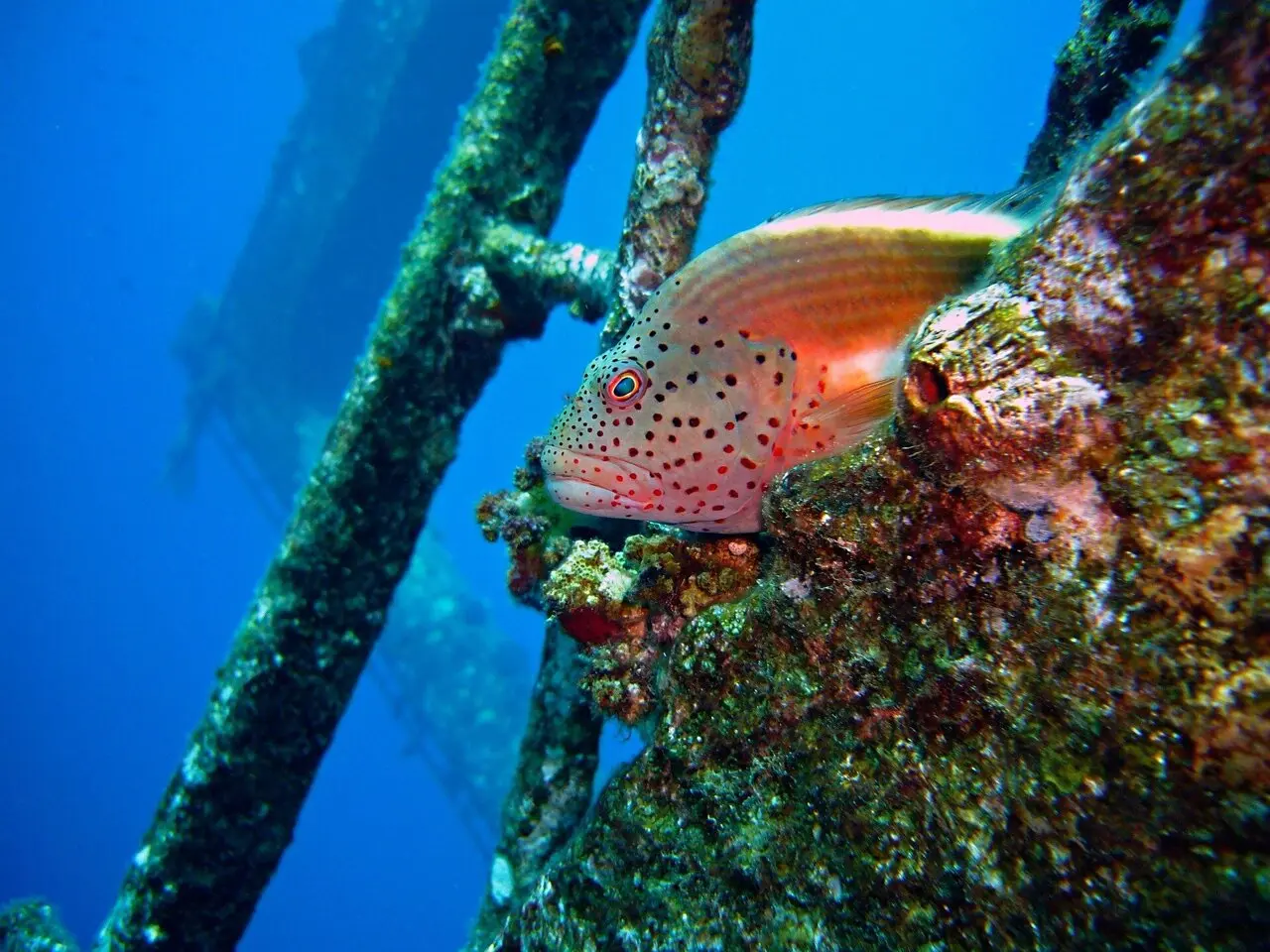
From Hazard to Habitat: How a War Relic Became a Reef
Scientists in Germany recently revealed that a World War II munitions dump in the Baltic Sea has evolved into a thriving underwater ecosystem. The site, located near the German coast, was originally filled with discarded shells and explosives in the 1940s. Over the past seventy years, it has become home to diverse marine life, including mussels, crustaceans, fish, and seagrass.
The discovery challenges the common view of wartime wrecks as mere hazardous debris. Marine biologists noted that the metal casings and concrete structures provide hard surfaces that support coral and algae growth. As a result, the area now supports a complex food web, attracting larger predators and increasing local biodiversity. Researchers also found that the site’s unique conditions—low salinity and cold temperatures—have slowed the corrosion of munitions, preserving the chemical integrity of the explosives.
The transformation began when early divers reported abundant mussel beds and fish schools around the wreckage. Subsequent surveys confirmed that the structures serve as artificial reefs, offering shelter and breeding grounds. Scientists measured significant increases in species richness compared to surrounding areas. „It’s a paradox,” said Dr. Lena Müller, a marine ecologist involved in the study. „A place once deemed dangerous is now a living laboratory.”
Are These Time Bombs a Threat to Future Generations?
The site’s ecological value is further highlighted by the presence of rare fish species that rely on the complex structure for spawning. The seagrass beds that have colonized the area also act as carbon sinks, helping mitigate local climate impacts. However, the same chemical stability that preserves the explosives also means that they remain intact, posing a potential risk if disturbed.
Experts warn that while the ecosystem is flourishing, the munitions could become hazardous if the seabed is disturbed by fishing or construction. The explosives’ slow degradation means they may release toxic compounds over time. „We’re looking at a long-term risk that could affect both marine life and human health,” explained Dr. Müller. „If the shells were to rupture, the released chemicals could spread through the food chain.”
Local authorities are monitoring the site closely. They have restricted fishing gear that could damage the wreckage and are exploring ways to document the area’s ecological status. The German Navy has also expressed interest in studying the site’s potential for controlled disposal or safe removal, though any action would require careful assessment of ecological impacts.
The discovery underscores the complex legacy of wartime wrecks. While they can foster biodiversity, they also carry hidden dangers that may surface decades later. Scientists emphasize the need for ongoing research and cautious management to balance ecological benefits with safety concerns.
Frequently Asked Questions
What species thrive around the munitions dump? Mussels, various crustaceans, several fish species, and seagrass dominate the area, creating a rich and diverse marine habitat.
How long do the explosives remain stable underwater? The cold, low‑salinity conditions of the Baltic Sea slow corrosion, allowing the munitions to remain chemically intact for many decades.
What measures are in place to protect the site? Fishing restrictions around the wreckage and continuous monitoring by marine scientists help prevent accidental damage and track potential chemical releases.