Are We Ignoring Clear Warnings?
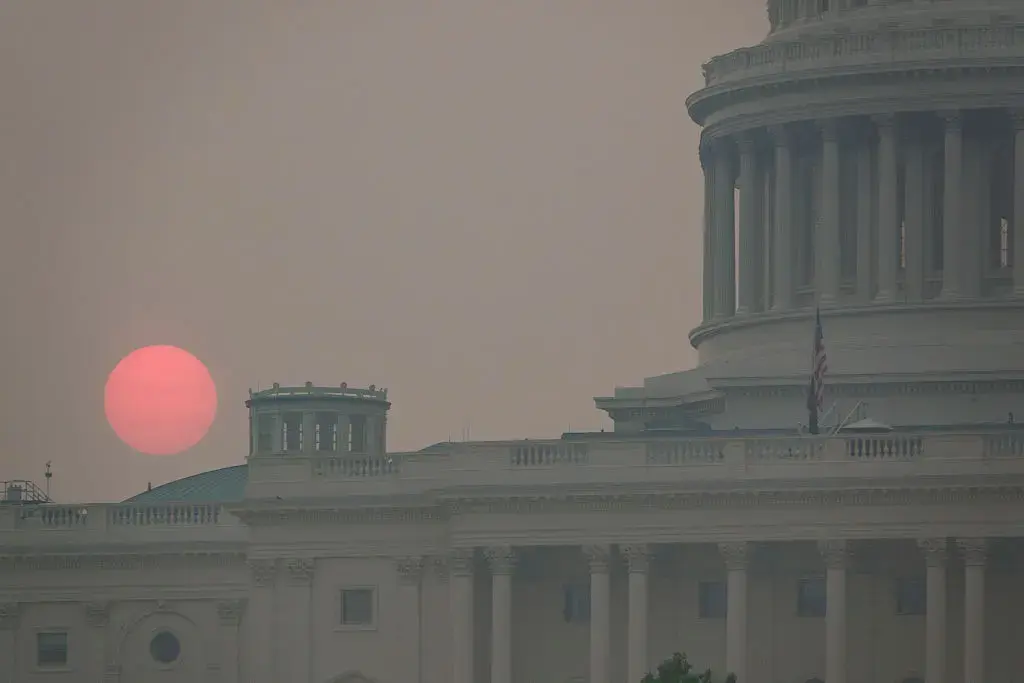
A month ago, I found myself rushing to a meeting in Washington, D. C. Despite being aware of the health risks posed by smoke from Canadian wildfires, I chose to sprint a few blocks to avoid being late. The next day, I developed a persistent cough that has lingered since. My doctor confirmed that I am dealing with the consequences of inhaling polluted air.
This incident highlights a broader issue regarding our responses to climate-related risks. Despite knowing the potential dangers, many people still engage in behaviors that increase their exposure to these hazards. The air quality in the U. S. has been significantly impacted by wildfires, leading to health advisories and warnings. Yet, individuals often prioritize immediate concerns, such as punctuality, over long-term health.
The smoke from wildfires serves as a stark reminder of the urgent need to address climate change. According to experts, the frequency and intensity of these fires are rising due to climate change. This trend is likely to continue, resulting in more hazardous air quality events. Research indicates that prolonged exposure to wildfire smoke can lead to serious respiratory issues and other health complications.
How Can We Change Our Behavior?
Many people, like myself, underestimate the risks associated with poor air quality. In the face of immediate pressures, we may disregard important health warnings. This pattern of behavior raises questions about how well we understand and react to climate risks. Are we equipped to make informed decisions when faced with environmental dangers?
Additionally, policies that promote sustainable practices and reduce emissions can help mitigate the effects of climate change. Governments and organizations must work together to create environments where individuals can prioritize health without sacrificing daily responsibilities.
The consequences of ignoring climate risks are severe. As wildfires become more common, we must recognize the importance of protecting our health and the environment. The smoke from these fires is not just a temporary nuisance; it is a sign of a larger, ongoing crisis.
Frequently Asked Questions
What are the health effects of wildfire smoke? Wildfire smoke can cause respiratory issues, eye irritation, and exacerbate existing health conditions like asthma. Long-term exposure may lead to serious complications.
How can individuals protect themselves from poor air quality? Staying indoors during high pollution days, using air purifiers, and following health advisories can help mitigate the risks associated with poor air quality.
What role does climate change play in increasing wildfires? Climate change contributes to rising temperatures and prolonged droughts, which create ideal conditions for wildfires. This cycle is expected to intensify without significant intervention.