The Rise of Tick-Borne Diseases
As summer arrives, ticks are becoming increasingly active. In parts of the US, ticks have always been a problem, but they're now spreading to new areas. This expansion is bringing new health concerns. The changing climate is a key factor in their spread.
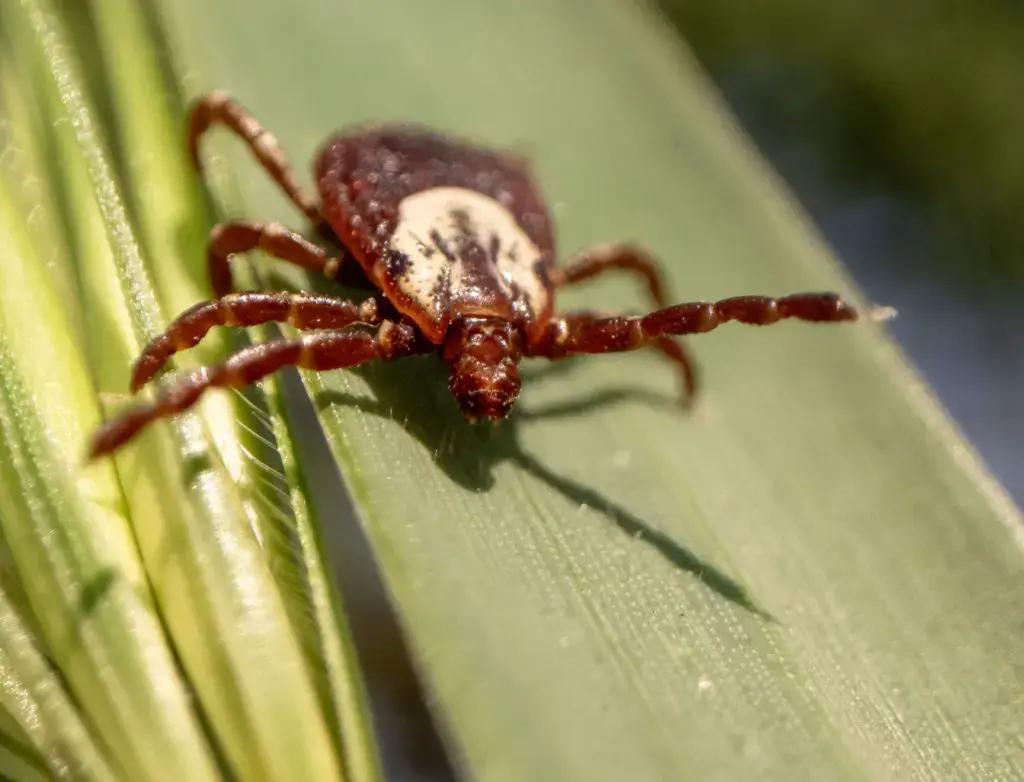
Ticks are tiny, blood-sucking insects that can transmit diseases to humans and animals. They're typically found in wooded, bushy, or grassy areas. As temperatures rise, their habitats are expanding, allowing them to thrive in previously uninhabited regions. This shift is linked to climate change, which is altering ecosystems and enabling ticks to survive in new areas.
Frequently Asked Questions
Tick-borne illnesses, such as Lyme disease, are on the rise. According to the Centers for Disease Control and Prevention, cases of tick-borne diseases have more than doubled in the US over the past 15 years. Experts warn that the true number of cases may be higher due to underreporting. „We're seeing a significant increase in tick-borne illnesses,”says a leading expert. „This is a major public health concern.” Are We Prepared for the Tick Threat? As ticks continue to spread, it's essential to understand the risks and take preventive measures. Simple steps, such as wearing protective clothing, applying insect repellent, and conducting regular tick checks, can reduce the risk of tick bites. Researchers are also working to develop new diagnostic tools and treatments for tick-borne diseases.
The consequences of the tick spread are far-reaching. As ticks continue to expand their range, more people will be at risk of tick-borne illnesses. It's crucial to stay informed and take action to prevent tick bites.
What are the most common tick-borne diseases? Lyme disease, Rocky Mountain spotted fever, and anaplasmosis are among the most common tick-borne illnesses in the US. How can I protect myself from tick bites? Wear protective clothing, apply insect repellent, and conduct regular tick checks. Can ticks transmit diseases to pets? Yes, ticks can transmit diseases to pets, including Lyme disease and ehrlichiosis. Regular veterinary check-ups and preventative measures can help protect pets.