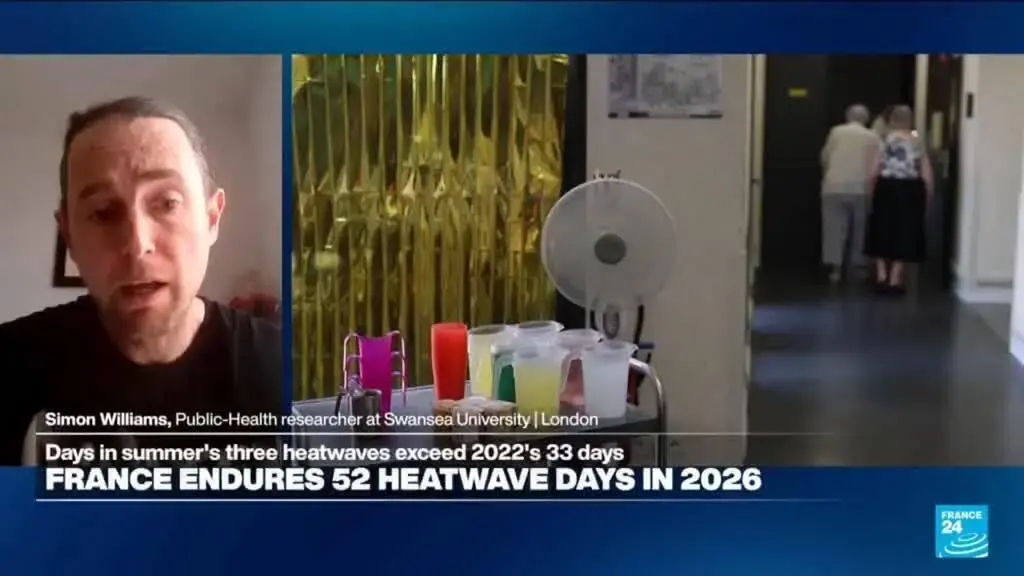
The Rising Temperature and Its Effects on Health
Dr. Simon Williams, a behavioral scientist, discusses the growing understanding of how extreme heat affects public health. This conversation highlights the urgent need to address climate-related health issues as temperatures rise globally. The recent surge in extreme heat events has raised alarms among scientists and health professionals. As temperatures soar, the links between climate change and health risks become clearer. Dr. Williams emphasizes that understanding these connections is crucial for developing effective public health strategies.
Extreme heat poses significant risks, including heat exhaustion and heatstroke. Vulnerable populations, such as the elderly and those with pre-existing health conditions, are particularly at risk. The increasing frequency of heatwaves is attributed to climate change, prompting a reevaluation of health policies and emergency response measures.
Dr. Williams points out that many people underestimate the dangers of extreme heat. „We're only beginning to grasp how profoundly climate change can impact our health,”he states. He urges communities to prepare for these changes and to be proactive in protecting public health.
How Can Communities Adapt to Extreme Heat?
What strategies can be employed to mitigate the health effects of rising temperatures? Communities can implement cooling centers, improve urban planning, and increase public awareness about the dangers of extreme heat. Public health campaigns can educate residents on recognizing heat-related illnesses and the importance of staying hydrated.
Furthermore, local governments can enhance infrastructure, such as planting trees and creating green spaces, to combat urban heat islands. These changes can significantly lower temperatures in densely populated areas, ultimately saving lives.
The consequences of ignoring the health impacts of extreme heat are dire. As climate change continues to escalate, more individuals will face health challenges related to extreme temperatures. It is vital for policymakers and health officials to prioritize climate adaptation strategies to safeguard communities.
Frequently Asked Questions
How does extreme heat affect health? Extreme heat can lead to serious health issues, including dehydration, heat exhaustion, and heatstroke. Vulnerable populations are at higher risk, necessitating targeted interventions.
What can individuals do to protect themselves during heatwaves? Staying hydrated, avoiding strenuous outdoor activities, and seeking air-conditioned spaces are essential during heatwaves. Awareness of symptoms of heat-related illnesses can also help in early intervention.
Why is understanding the health impacts of climate change important? Understanding these impacts allows for better preparation and response strategies. It helps in developing effective public health policies that can mitigate risks associated with extreme weather events.