What Happened to the UN's Transparency Tool?
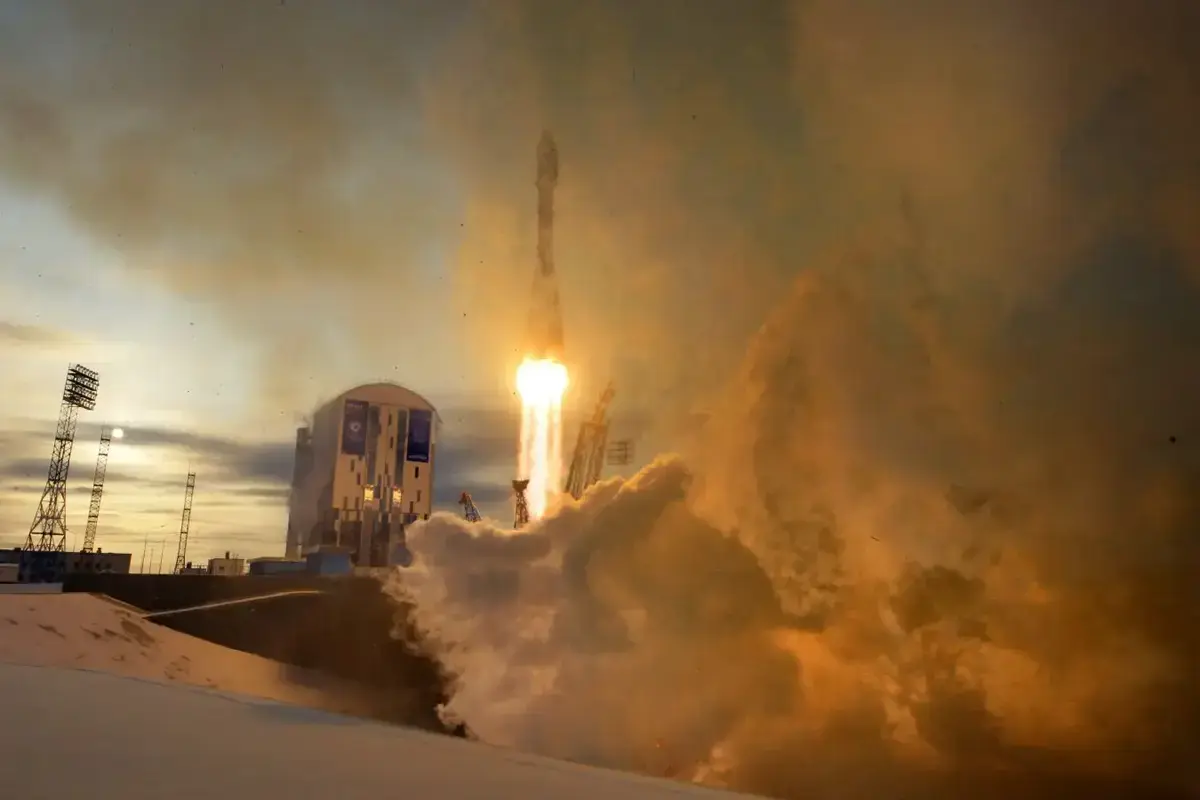
A crucial United Nations database, designed to track global space launches and foster transparency, has mysteriously vanished. This resource, vital for easing international tensions, has been inaccessible on the UN's official website for several months. Its absence raises concerns among those who rely on its information.
The database was originally established to reduce Cold War-era distrust. It provided a comprehensive record of all objects launched into space. This public listing aimed to prevent misunderstandings and promote peaceful space activities.
The exact reason for the database's disappearance remains unclear. There has been no official explanation from the United Nations regarding its absence. This lack of communication further fuels speculation about its status.
Why is This Database So Important?
Experts are puzzled by the situation. The database served as a central hub for reporting space activities. Its consistent availability was a cornerstone of international space cooperation.
The database's primary function was to ensure openness in space exploration. Nations would register their satellite launches and other space missions. This shared information helped to build confidence and prevent secret military build-ups in space.
Its disappearance could lead to increased distrust among nations. Without a central, public record, monitoring global space activity becomes more challenging. This situation could potentially reignite anxieties about undisclosed launches or unknown objects in orbit.
Frequently Asked Questions
What was the purpose of the UN space database? The database aimed to promote transparency in space activities and reduce international tensions, particularly during the Cold War, by listing all global space launches.
How long has the database been missing? The database has been inaccessible on the United Nations' website for several months, with no official explanation provided for its disappearance.
What are the potential consequences of its absence? The absence of the database could increase distrust among nations and make it harder to monitor global space activities, potentially leading to misunderstandings.