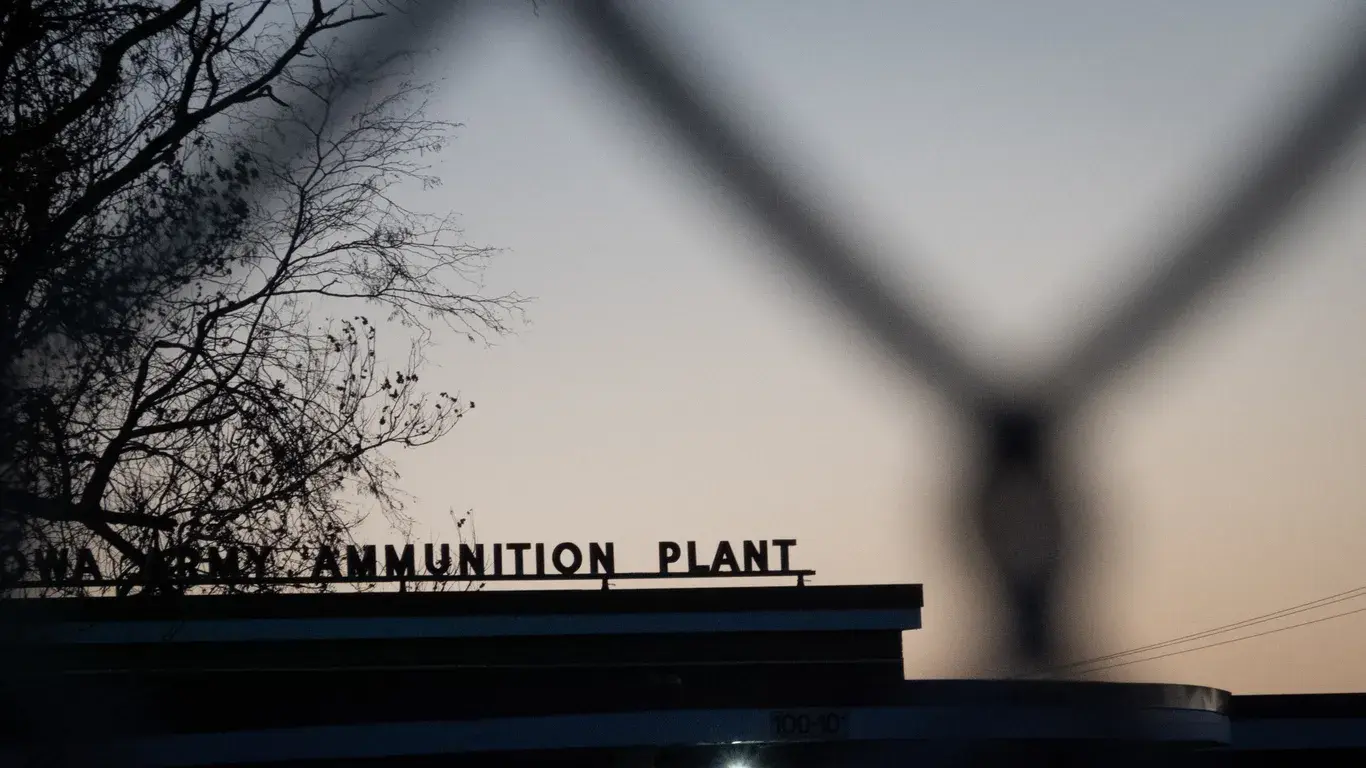
Controlled Demolition Neutralizes Hazardous Munitions
The U. S. Army detonated 68 unstable lead bombs at an Iowa facility on Wednesday. The action followed months of delays and growing public concern over toxic lead exposure. Officials confirmed the controlled demolition was necessary to neutralize hazardous munitions that had been stored on-site for years.
The bombs were identified as unstable and posed a risk of accidental detonation. Army engineers conducted the blast in a controlled environment to minimize environmental impact. Local residents had voiced fears about lead contamination in the surrounding area.
Army engineers used precision blasting techniques to ensure the explosives were destroyed safely. The operation took place at a former industrial site in Iowa. Officials stated the facility had stored the munitions for an extended period.
Why Were These Bombs Unstable?
The detonation was part of a broader effort to clear dangerous ordnance from civilian areas. Lead compounds in the bombs raised concerns about soil and water contamination. Environmental monitoring began immediately after the blast to assess residual hazards.
The instability stemmed from age and storage conditions. Lead-based explosives degrade over time, increasing the risk of spontaneous detonation. The Army prioritized their removal to protect nearby communities.
Residents near the plant reported hearing the explosions clearly. Local officials coordinated with the Army to manage public communication. No injuries were reported from the controlled blast.
Frequently Asked Questions
How many bombs were detonated? The Army detonated 68 unstable lead bombs at the Iowa facility. The operation was completed on Wednesday.
Why were the bombs considered unstable? The explosives had been stored for years, causing degradation that increased detonation risk. Lead compounds also raised toxicity concerns for local soil and water.
What happened after the blast? Environmental monitoring started immediately to check for lead contamination. No injuries were reported, and officials confirmed the site is being assessed for residual hazards.