Regulatory Uncertainty Threatens Major Wind Projects
A bipartisan US bill aimed at boosting clean energy jobs is drawing criticism for its potential to slow down project approvals. The American Affordability and Jobs Act proposes changes that could complicate the permitting process for new renewable infrastructure. Critics argue this approach increases uncertainty for developers. The legislation seeks to balance environmental goals with economic priorities. However, many industry leaders view the strategy as a gamble. They fear it may delay critical projects needed to meet climate targets.
The core issue revolves around how quickly permits can be issued for large-scale facilities. Under the proposed rules, agencies might face stricter review timelines. This could extend the duration required to bring new wind or solar farms online. Developers rely on predictable regulatory environments to secure financing. Any added delays raise costs and reduce investor confidence. The bill attempts to create a stable framework for the sector. Yet, the trade-off between speed and scrutiny remains a point of contention among policymakers.
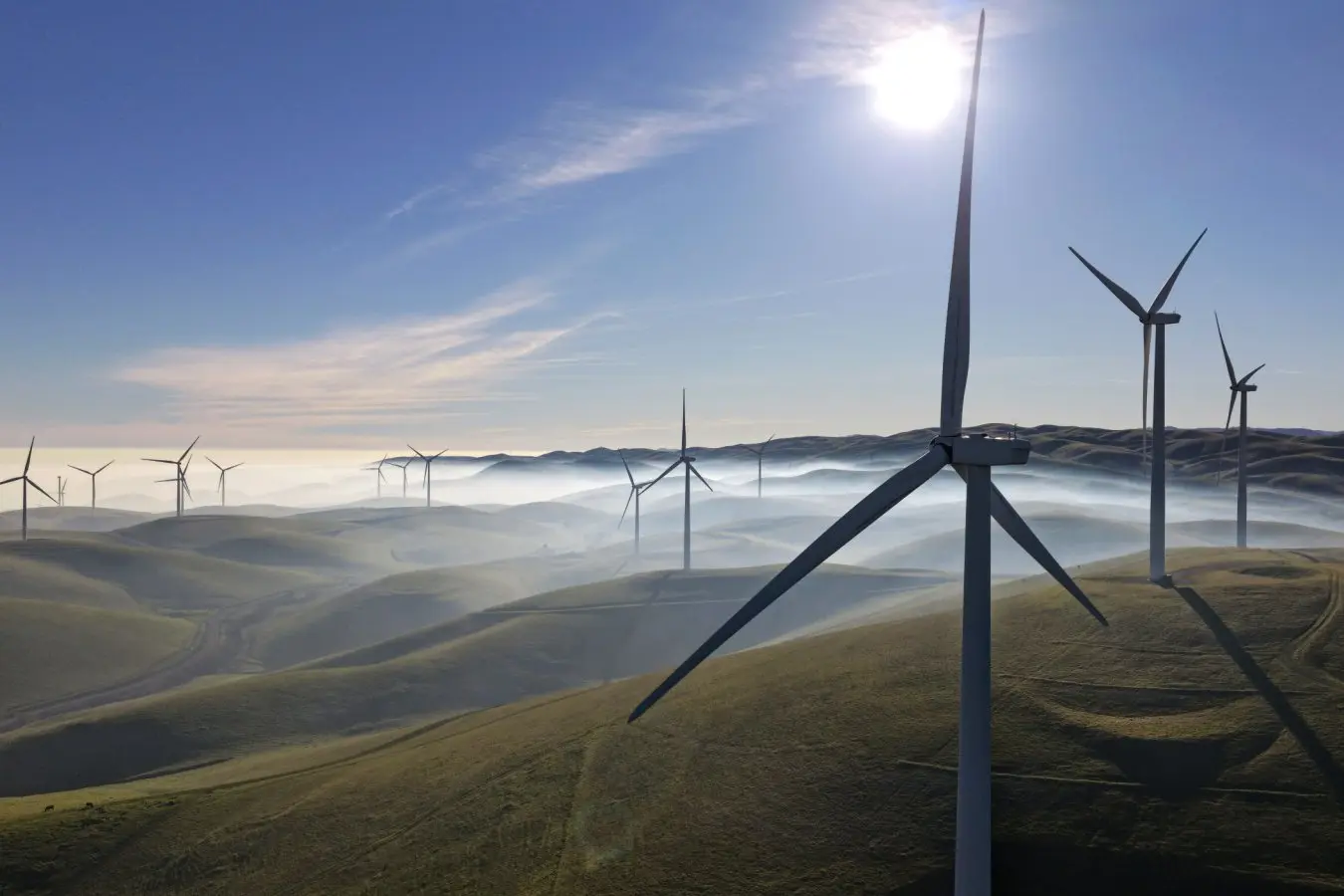
In Rawlins, Wyoming, construction crews are actively preparing sites for massive renewable energy installations. Workers are building access roads and concrete pads for approximately 600 wind turbines. These structures will generate significant power for the western United States. Transmission lines are currently being strung from the site to a hub in Nevada. The electricity produced there will help supply major cities like Las Vegas and Los Angeles. This facility represents one of the largest wind farms in the country.
Can Bipartisan Support Overcome Implementation Hurdles?
The project exemplifies the scale of infrastructure required to transition the grid. Such developments depend heavily on streamlined approval processes. If the new law introduces bottlenecks, projects like this one could face prolonged waits. Stakeholders worry that bureaucratic hurdles might stall progress. The physical work continues regardless of legislative debates. Yet, financial backers need assurance that regulatory shifts will not disrupt operations. The tension between policy and practice is becoming increasingly visible on the ground.
Supporters of the bill emphasize its broad political backing. Both major parties have contributed to shaping the final text. This consensus suggests a shared commitment to domestic manufacturing and employment. The act aims to keep energy production within national borders. It also focuses on creating skilled jobs in various regions. However, implementation details remain vague in several key areas. Ambiguity often leads to legal challenges later. Courts may need to interpret specific clauses if guidance is lacking. This potential for litigation adds another layer of risk for investors.
Industry groups are urging Congress to clarify the permitting standards. They want clear metrics for what constitutes an expedited review. Without these definitions, regional differences in enforcement could persist. Some states already have robust renewable energy frameworks. The federal bill must integrate smoothly with existing state laws. Failure to do so could create a patchwork of regulations. This complexity would hinder the goal of rapid deployment across the nation.
Frequently Asked Questions
The outcome of this legislative push will shape the future of US energy independence. If delays materialize, the pace of decarbonization may slow significantly. Investors might shift capital toward markets with clearer rules. Conversely, successful implementation could solidify the US position in the global clean energy race. The next few months will be crucial for resolving outstanding disputes. All eyes are now on the Senate floor for final votes.
How many wind turbines are being built in Wyoming? Construction is underway for approximately 600 wind turbines. This site will become one of the largest wind farms in the United States.
Where does the generated electricity go? Power is transmitted via lines to a hub in Nevada. From there, it helps supply electricity to Las Vegas and Los Angeles.