Drone Strikes Sink Vessels in Black Sea Amid Rising Tensions
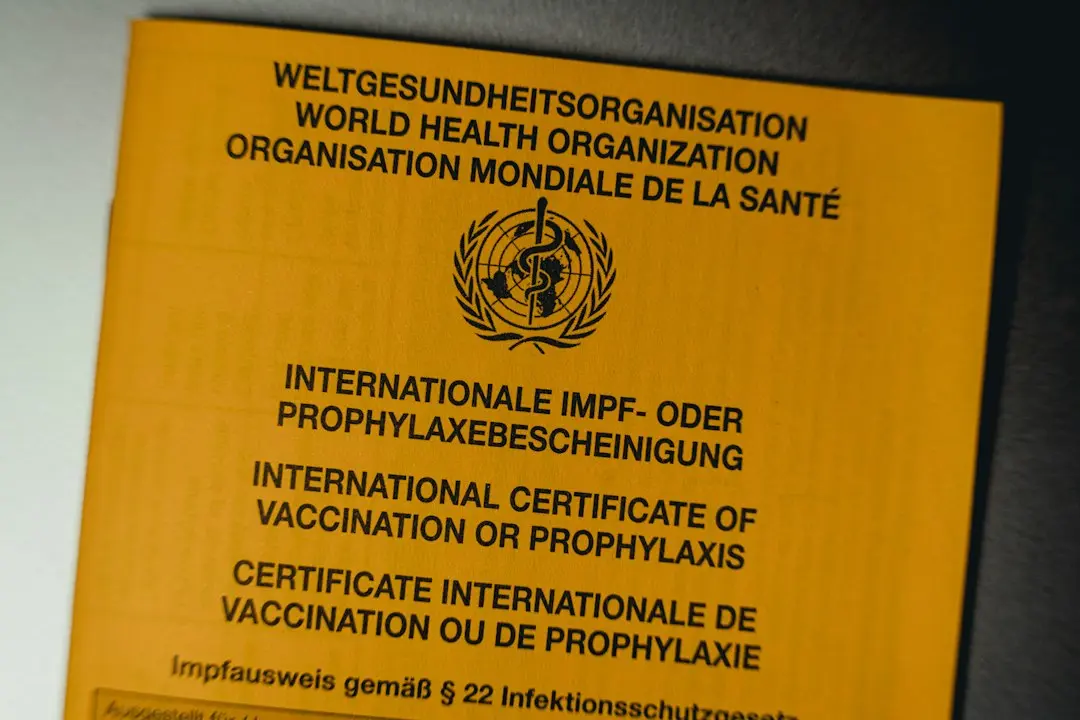
The World Health Organization has assessed the risk of a plague outbreak as low after a laboratory worker in Siberia died from the disease. The incident occurred in a Russian research facility where the individual was handling plague bacteria. Health authorities confirmed the case was isolated and contained, with no evidence of transmission to others. WHO officials emphasized that standard biosafety protocols prevented wider exposure, and the event does not signal an emerging public health threat. The organization continues to monitor the situation but sees no need for heightened alert levels or travel restrictions at this time.
Recent days have seen multiple drone attacks targeting ships in the Black Sea, resulting in the sinking of vessels near the coasts of Romania and Bulgaria. These strikes, attributed to Ukrainian forces, have disrupted maritime traffic and raised concerns about escalation in the region. The attacks focus on Russian military and logistics ships, aiming to weaken supply lines supporting operations in Ukraine. Satellite imagery and maritime tracking data confirm several vessels have been damaged or sunk since the beginning of the week. NATO has called for restraint while affirming Ukraine’s right to defend its territory, though the use of drones in open waters marks a notable shift in tactics.
How Effective Are Naval Drones in Modern Warfare?
Naval drones have proven increasingly effective in asymmetric warfare, offering precision strikes with minimal risk to operators. In the Black Sea, they have exploited gaps in Russian naval defenses, particularly around occupied Crimea and the Kerch Strait. Experts note that small, agile drones can evade radar and deliver explosive payloads with high accuracy, making them ideal for targeting larger, slower ships. Their low cost and ease of deployment allow for repeated attacks, gradually eroding enemy capabilities. However, challenges remain in rough weather and electronic warfare environments, where signal jamming can disrupt control. Despite these limits, the trend suggests growing reliance on unmanned systems for sea denial strategies.
European Union envoys are preparing to approve a new sanctions package targeting Russia, described as the most significant since 2022. The measures are expected to include expanded restrictions on Russian gold, diamonds, and advanced technology imports, as well as tighter controls on sanctions evasion through third countries. Diplomats say the package aims to close loopholes that have allowed Moscow to maintain access to critical goods despite existing bans. While unanimity among member states is required, early indications suggest broad support for strengthening economic pressure. The move comes amid ongoing debates about balancing energy security with accountability for the war in Ukraine, with some nations advocating for even stricter enforcement mechanisms.
What Are the Implications for EU Sanctions on Russia?
Was the Siberian plague case connected to the Black Sea drone attacks? No, there is no connection between the isolated laboratory incident in Siberia and the military drone operations in the Black Sea. The plague case involved a single worker handling pathogens in a research setting, while the drone strikes are part of Ukraine’s defense efforts against Russian naval assets. Health and defense officials confirm the events are unrelated in both cause and context.
Frequently Asked Questions
Could the plague case lead to wider outbreaks in Russia or neighboring countries? Health authorities consider this unlikely. The WHO and Russian health services confirmed the case was contained, with all close contacts monitored and no secondary infections reported. Plague remains treatable with antibiotics when detected early, and standard isolation procedures were followed. There is no indication of environmental spread or mutation increasing transmissibility.
Will the new EU sanctions significantly impact Russia’s war economy? The upcoming sanctions are designed to increase pressure on Russia’s ability to sustain military operations by targeting revenue sources and technology flows. While previous sanctions have already constrained access to semiconductors and aerospace parts, this package aims to disrupt evasion networks and luxury trade. Analysts note cumulative effects are growing, though full impact depends on enforcement and Russia’s adaptive strategies, including increased trade with non-Western partners.