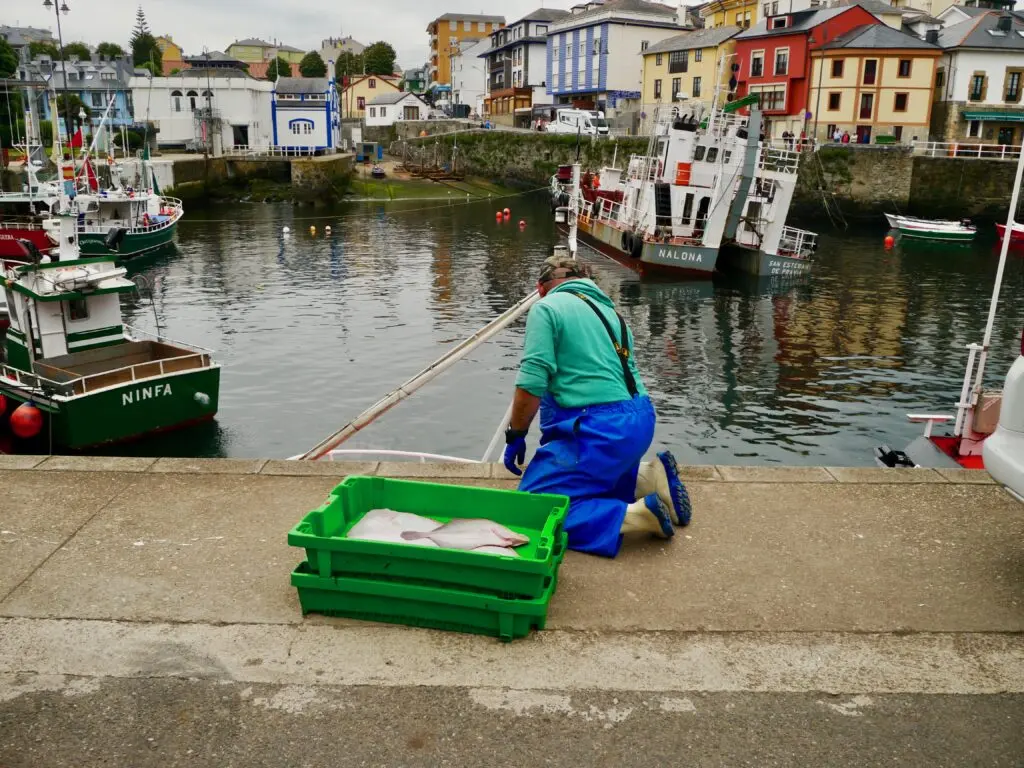
When the EU adheres to these limits, it avoids the boom-and-bust cycles that have devastated fisheries elsewhere
The European Union faces a critical moment in shaping its approach to managing shared marine resources as global pressure mounts to protect ocean health. With the 2030 deadline for the Sustainable Development Goals approaching and the UN Decade of Ocean Science at its midpoint, the EU’s Common Fisheries Policy stands as a key tool for balancing ecological sustainability with economic viability in fisheries across member states. Sustainability is not opposed to economic performance; it is its foundation. Healthy fish stocks support long-term yields, reduce volatility in catches, and ensure that coastal communities can depend on fishing for generations. Scientific advice, when followed, leads to more stable and profitable fisheries over time, proving that environmental stewardship and economic resilience go hand in hand. How Science-Based Limits Protect Both Nature and Livelihoods Setting catch limits based on scientific assessments allows fish populations to reproduce and recover, preventing collapse.
When the EU adheres to these limits, it avoids the boom-and-bust cycles that have devastated fisheries elsewhere. This approach also levels the playing field for fishers, reducing unfair competition from overfishing and illegal practices. Data shows that stocks managed under science-based plans in the Northeast Atlantic have shown signs of recovery, benefiting both ecosystems and local economies. What Happens if the EU Weakens Its Commitment? If the EU retreats from its common policy in favor of short-term national interests, it risks undermining years of progress. Fragmented management could lead to overfishing, habitat damage, and loss of biodiversity, ultimately hurting the very industries it aims to protect. Weakening the policy would also damage the EU’s credibility in global ocean governance, where it has positioned itself as a leader in sustainable marine stewardship. Frequently Asked Questions Why does the EU need a common fisheries policy instead of letting each country decide?
A common policy prevents conflicting rules across borders, ensures fair access, and protects shared fish stocks that move between national waters. Without it, unilateral actions could lead to overexploitation and disputes. How does sustainability improve economic outcomes for fishers? By maintaining healthy fish populations, sustainability reduces the risk of stock collapse, leads to more predictable catches, and supports long-term income stability for fishing communities. What role does science play in the Common Fisheries Policy? Scientific advice from bodies like the International Council for the Exploration of the Sea guides catch limits and management measures, ensuring decisions are based on data rather than short-term political or economic pressures.