Diversifying Routes
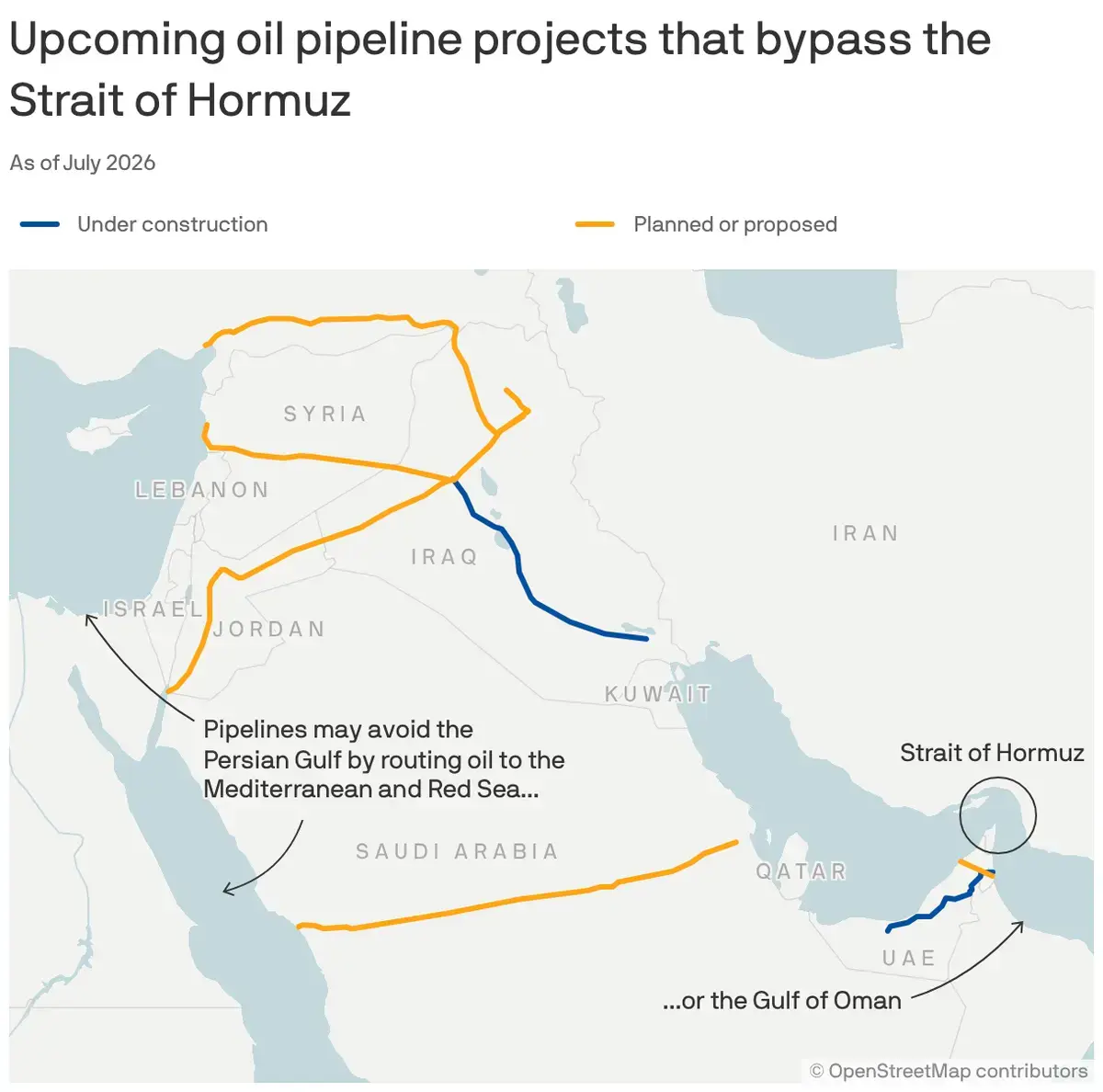
Global energy players are scrambling to avoid the waterway as tensions rise. The move is driven by top oil-producing countries and companies. They are seeking alternative routes to transport their oil. This development is a response to the region's growing instability.
The Strait of Hormuz has long been a critical chokepoint for global energy supplies. It is a narrow waterway connecting the Persian Gulf to the Gulf of Oman. The Iran conflict has thrown a spotlight on the strait's importance. Countries and companies are now looking for ways to circumvent it.
Can the Strait be Replaced?
Several countries are investing heavily in new pipelines and infrastructure. Saudi Arabia, for example, is building a pipeline to bypass the strait. The $1.3 billion project will allow the country to export oil directly to the Red Sea. Other countries, including the United Arab Emirates, are also exploring alternative routes.
The drive to bypass the Strait of Hormuz is driven by the need to ensure energy security. With tensions in the region showing no signs of abating, countries are seeking to reduce their reliance on the waterway. This move is likely to have significant implications for the global energy market.
While new pipelines and infrastructure can help reduce reliance on the Strait of Hormuz, they are not a panacea. The construction of new routes is a complex and costly process. It will take time to complete these projects and make them operational.
Frequently Asked Questions
The global energy market is likely to be shaped by the ongoing efforts to bypass the Strait of Hormuz. As countries and companies continue to invest in alternative routes, the region's energy dynamics are set to undergo a significant shift.
What is driving the move to bypass the Strait of Hormuz? The move is driven by growing tensions in the region and the need to ensure energy security. Countries are seeking to reduce their reliance on the waterway. How will new pipelines and infrastructure help? New pipelines will allow countries to export oil directly to other regions, reducing their reliance on the Strait of Hormuz. This will help to ensure energy security. Will bypassing the Strait of Hormuz solve the region's energy security concerns? While new routes can help reduce reliance on the strait, they are not a guarantee of energy security. Other factors, including regional tensions, will continue to play a role.