Supply Chain Strains and Refinery Vulnerability
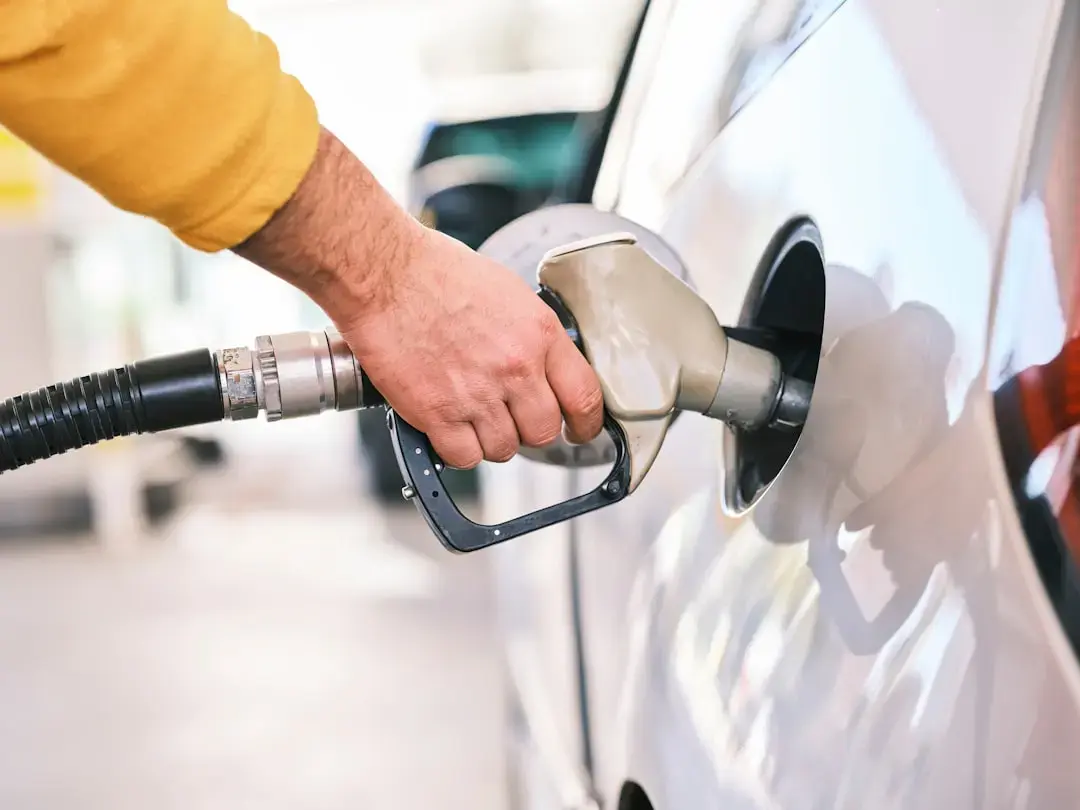
Long queues at gas stations are becoming a common sight across Russia as Ukrainian drone strikes continue to target the nation's energy infrastructure. Motorists in multiple regions are reporting significant fuel shortages and rising prices. These disruptions have begun to hinder daily transportation and logistics, marking a new phase in the ongoing conflict.
The attacks have systematically targeted major oil refineries, causing a sharp decline in domestic fuel production. As supply chains falter, local authorities struggle to maintain consistent distribution. Many residents now face hours of waiting just to secure a limited amount of gasoline, while some stations have been forced to close entirely due to empty storage tanks.
The strategy of targeting refineries has proven highly effective at disrupting the Russian domestic market. By focusing on critical processing facilities, Ukraine has successfully pressured the Russian energy sector. Industry analysts note that repairing these high-tech installations is both costly and time-consuming, especially under current international sanctions.
Is the Energy Infrastructure Reaching a Breaking Point?
The resulting scarcity is not limited to remote areas but has reached major urban centers. Logistics companies are reporting delays in the delivery of essential goods as their fleets struggle to find available fuel. This creates a ripple effect, driving up the cost of basic commodities while adding to the general anxiety among the population.
Energy experts warn that the current situation could worsen if the strikes persist. Russia’s ability to refine enough crude oil to meet local demand is clearly being compromised. If the government cannot stabilize the supply chain, the economic impact will likely deepen, affecting everything from public transit to agricultural operations during the harvest season.
The long-term outlook remains uncertain as both sides continue to escalate their tactical strikes. For the average Russian citizen, the immediate reality is a daily struggle to navigate a landscape defined by fuel rationing and economic uncertainty. The government faces the difficult task of protecting its energy assets while managing growing public frustration.
Frequently Asked Questions
Why are gas stations running out of fuel in Russia? The shortages are primarily caused by Ukrainian drone attacks on key oil refineries. These strikes have damaged production capacity, leading to a significant drop in the available fuel supply across the country.
What is the impact on the average Russian citizen? Many residents are experiencing long wait times at gas stations and rising fuel costs. These disruptions are complicating daily commutes and increasing the prices of goods transported by road.
Can the Russian government fix the refineries quickly? Repairing damaged refinery equipment is difficult due to specialized technology requirements and international sanctions. Experts suggest that restoring full production levels will be a slow and expensive process.