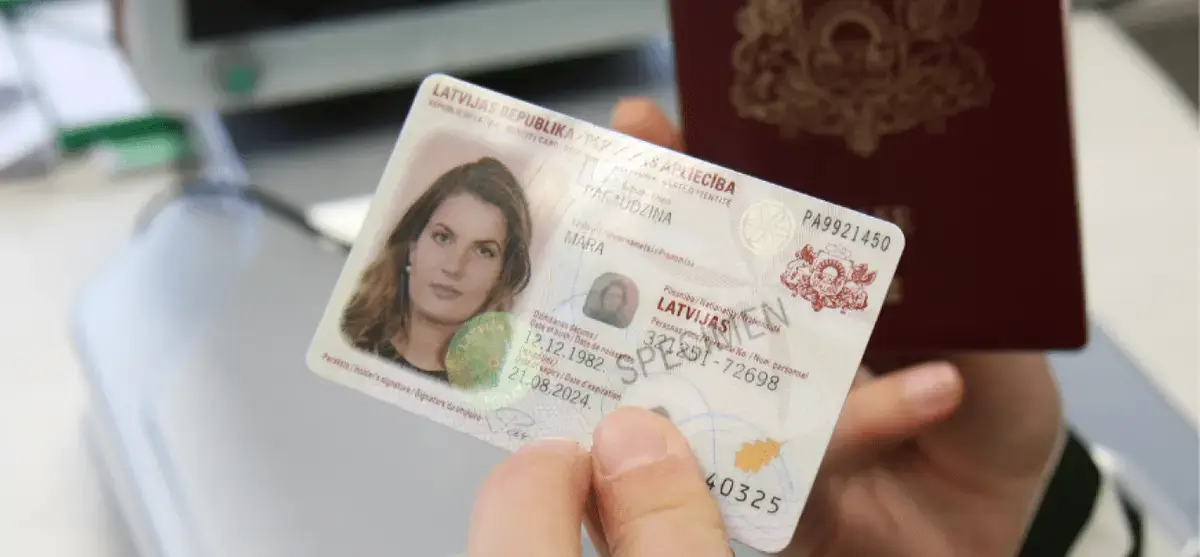
Tackling Sophisticated Document Fraud
OCR Studio has upgraded its document scanning tool to counter increasingly sophisticated fake documents created with generative AI. The update was released on May 17, 2026. The company's software is used for document analysis and data extraction. This move aims to enhance Know Your Customer (KYC) fraud detection.
The rise of generative AI has made it easier for fraudsters to create convincing fake identity documents. In response, OCR Studio has developed an anti-fraud system that can detect a wider range of AI-generated documents. The new system is designed to keep pace with the evolving threat landscape.
Can AI-Powered Fraud Detection Keep Pace?
The updated document scanning tool uses advanced technology to identify fake documents. As AI-generated documents become more realistic, the need for effective detection methods grows. OCR Studio's new anti-fraud system is a significant step forward in this area.
The cat-and-mouse game between fraudsters and detection systems is ongoing. As generative AI continues to improve, the challenge for anti-fraud systems is to stay ahead. OCR Studio's update demonstrates the company's commitment to addressing this issue.
Frequently Asked Questions
The consequences of not having effective anti-fraud measures in place can be severe. Financial institutions and other organizations that rely on KYC checks face significant risks if they fail to detect fake identity documents. As the threat landscape continues to evolve, companies like OCR Studio will play a crucial role in shaping the future of identity verification.
What triggered OCR Studio's update? The increasing sophistication of AI-generated fake identity documents prompted the company to enhance its anti-fraud capabilities. How does the new anti-fraud system work? The system uses advanced technology to detect AI-generated documents, staying ahead of the evolving threat landscape. What are the implications for KYC checks? The update is expected to significantly improve the accuracy of KYC checks, reducing the risk of identity fraud.