Defining the Boundaries
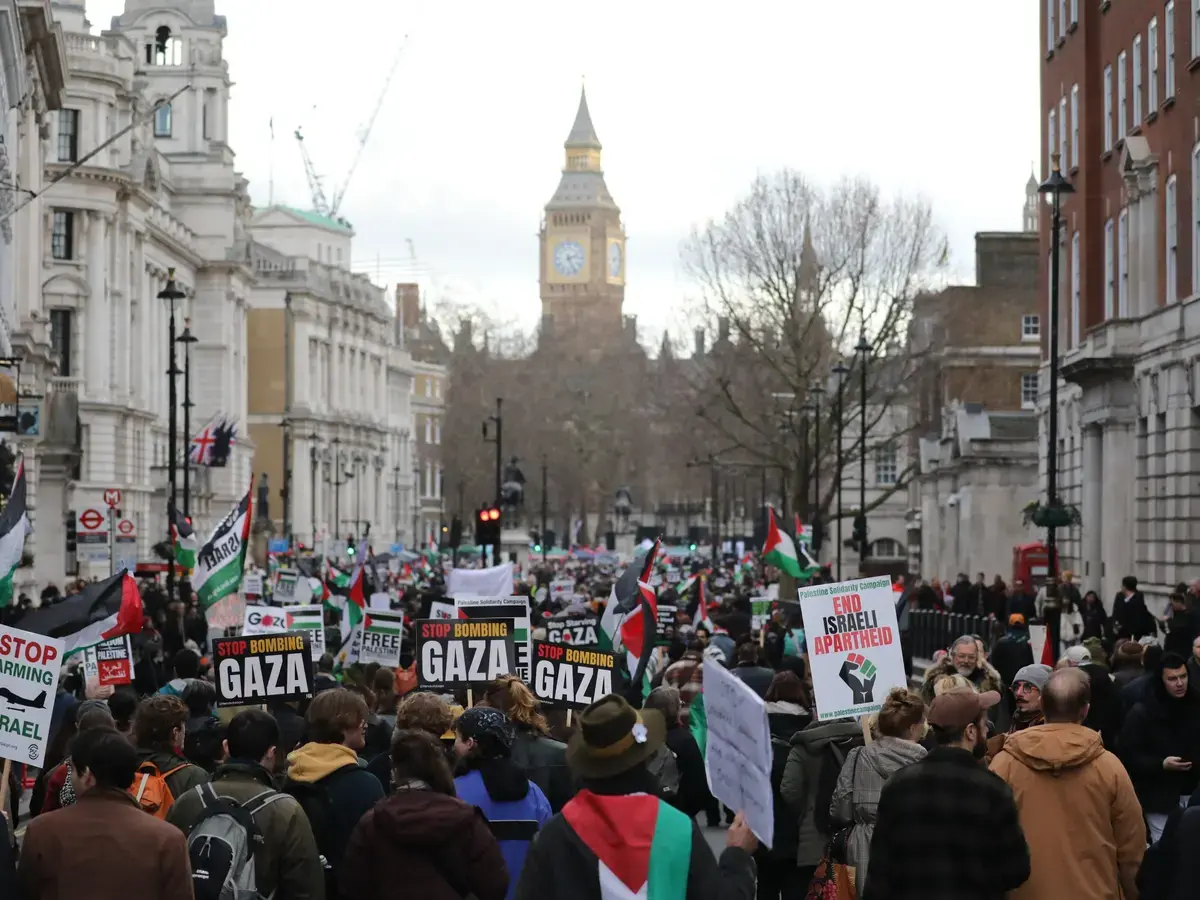
In Britain, a growing concern is that the line between anti-Semitism and legitimate dissent is becoming increasingly blurred. This issue has sparked heated debates across the country. The problem is complex and multifaceted. It involves various communities and stakeholders.
The distinction between anti-Semitism and dissent is crucial, as it affects not only Jewish communities but also the broader social fabric. When criticism of Israel is misconstrued as anti-Semitism, it can stifle free speech and create a culture of fear. Conversely, when anti-Semitism is dismissed as legitimate criticism, it can leave Jewish people vulnerable to hate crimes and harassment.
The challenge lies in defining what constitutes anti-Semitism versus legitimate criticism of Israeli policies. Some argue that certain criticisms of Israel are inherently anti-Semitic, while others see this as a form of political censorship. The debate is further complicated by the fact that anti-Semitism can manifest in various ways, from overt hate speech to more subtle forms of discrimination.
Is Free Speech Being Stifled?
As the debate rages on, there are concerns that the conflation of anti-Semitism and dissent is having a chilling effect on free speech. Some individuals may self-censor to avoid being labeled anti-Semitic, while others may be unfairly silenced. This can have far-reaching consequences, not just for Jewish communities but for society as a whole.
The collapse of the distinction between anti-Semitism and dissent ultimately protects no one, least of all the Jewish communities it claims to defend. As the debate continues, it is essential to find a balance between protecting Jewish people from anti-Semitism and preserving the right to free speech.
Frequently Asked Questions
What is the main issue in the anti-Semitism debate in Britain? The main issue is the blurring of lines between anti-Semitism and legitimate dissent, which can have far-reaching consequences for free speech and Jewish communities.
How can anti-Semitism be distinguished from criticism of Israel? The distinction is complex and context-dependent, requiring a nuanced understanding of both anti-Semitism and legitimate criticism.
What are the potential consequences of failing to address this issue? Failing to address this issue can lead to a culture of fear, stifled free speech, and increased vulnerability for Jewish communities.