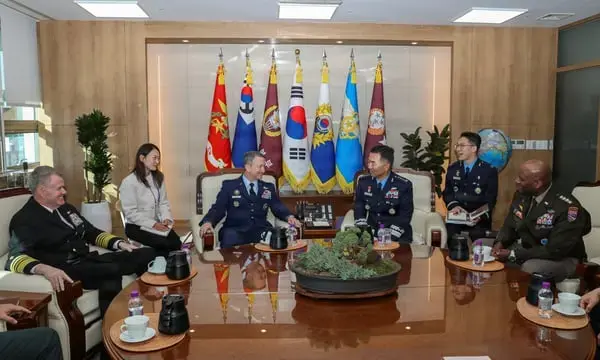
Strengthening Alliance Capabilities
NATO's Operational Command (OPCON) transfer is no longer a matter of debate, but rather a question of how to effectively implement it. The alliance is now focused on designing a robust command structure and capabilities to ensure a stronger defense posture.
The key challenge lies in creating a more efficient and powerful command structure that can effectively coordinate the alliance's defense efforts. This requires a thorough examination of the existing structure and capabilities to identify areas that need improvement.
Is the Alliance Ready for a Seamless Transfer?
A more robust command structure is crucial to ensure the alliance's defense posture is enhanced post-transfer. This involves assessing the current capabilities and identifying gaps that need to be addressed. The goal is to create a more streamlined and effective command structure that can respond to emerging threats.
The alliance must carefully consider how to design its command structure and capabilities to achieve a more efficient and powerful defense posture. This will require a coordinated effort from all member states to ensure a unified approach.
A successful OPCON transfer requires a well-designed command structure and capabilities. The alliance must be prepared to address potential challenges and ensure a smooth transition.
Frequently Asked Questions
The consequences of a poorly designed command structure could be significant, potentially weakening the alliance's defense posture. A well-planned transfer, on the other hand, will enhance the alliance's ability to respond to emerging threats.
What is the main challenge in transferring OPCON? The main challenge is designing a robust command structure and capabilities to ensure a stronger defense posture. How will the alliance ensure a successful transfer? The alliance will need to carefully assess its current capabilities and identify areas for improvement. What are the consequences of a poorly designed command structure? A poorly designed command structure could weaken the alliance's defense posture and hinder its ability to respond to emerging threats.